



Diplomacy is often about keeping doors open even when trust is in short supply. Bharat’s engagement with China is a classic example. High-level summits, multilateral declarations and carefully choreographed handshakes may create an impression of thaw, but they cannot erase the strategic memory of Galwan or the repeated tensions along the Line of Actual Control. For Bharat, the real test of any fresh diplomatic outreach to Beijing is therefore not what China says at international forums, but what it does on the ground. The success of the Bharat-hosted SAARC 2026 and the adoption of the New Delhi Joint Declaration may indeed represent an important diplomatic achievement. A broad consensus against terrorism, if genuinely accepted by all participating countries, is welcome. China’s endorsement would also appear significant. But should Bharat immediately interpret such a signature as evidence of a fundamental change in Beijing’s approach to terrorism? Absolutely not. The caution expressed by experienced diplomats, former military commanders and other strategic observers cannot simply be dismissed. Their scepticism is rooted in history and experience. Bharat has repeatedly attempted to stabilise relations with China through dialogue and confidence-building mechanisms, only to see those understandings tested by developments along the border. The 1993 Agreement on maintaining peace and tranquillity, the 1996 confidence-building agreement and subsequent protocols were specifically designed to prevent military confrontation and preserve stability along the LAC. Yet the relationship suffered major setbacks at Depsang, Chumar, Doklam and, most dramatically, Galwan in 2020. The agreements themselves remain important; the problem has been the credibility of their implementation. That is why the Chinese trust deficit is not a product of political rhetoric in Bharat. It is a strategic concern arising from experience. The Galwan clash, in which 20 Bharatiya soldiers were killed, fundamentally altered the political and military calculus between the two countries. Even if subsequent disengagement and diplomatic engagement have reduced immediate tensions, normalisation cannot simply mean returning to the status quo ante. It must mean rebuilding confidence through verifiable conduct. The same caution applies to terrorism.
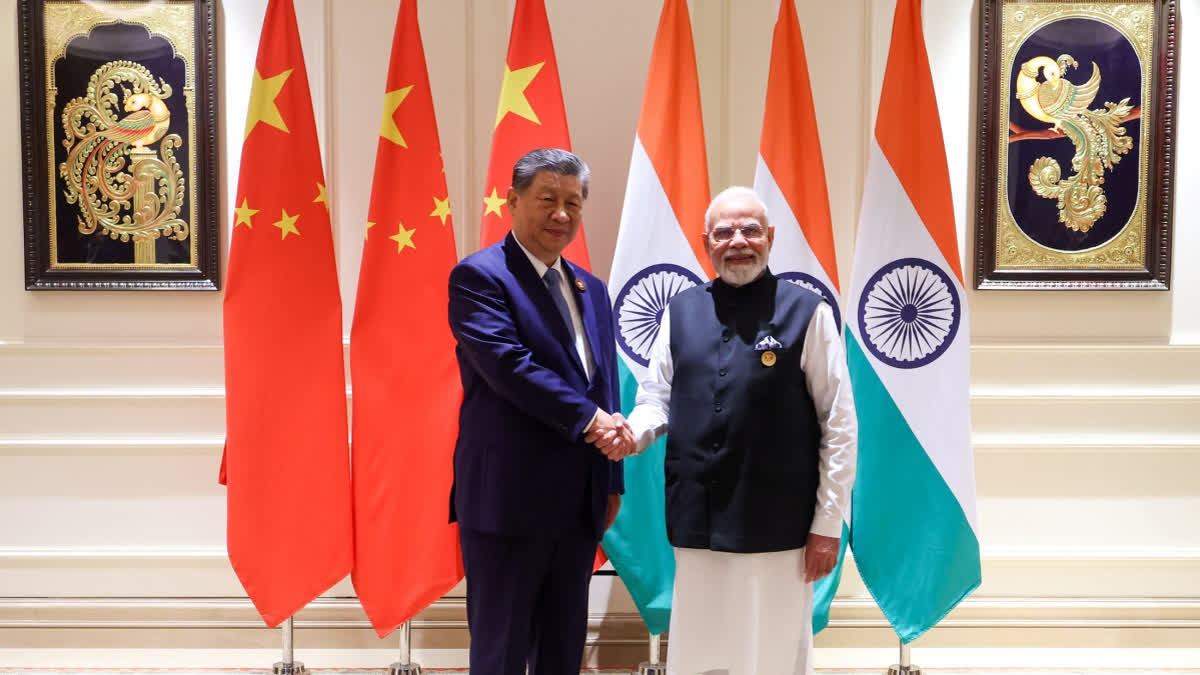
China has repeatedly declared that terrorism is a common threat and has participated in international counter-terrorism mechanisms. Yet Beijing’s record at the United Nations has, at various times, been a source of serious concern for New Delhi, particularly over attempts to designate Pakistan-based terrorist leaders. Masood Azhar, founder of Jaish-e-Mohammed, was eventually designated by the UN Security Council’s sanctions committee in May 2019. The eventual designation was welcome, but the long diplomatic battle surrounding it demonstrated how strategic interests can complicate even apparently universal principles. This is where Bharat must distinguish between diplomatic opportunity and strategic trust. There is nothing wrong with Prime Minister Narendra Modi engaging President Xi Jinping. On the contrary, sustained communication between two major Asian powers is essential. Nor should Bharat oppose every Chinese initiative merely because of bilateral differences. A mature foreign policy demands engagement, negotiation and the ability to cooperate where interests converge. But engagement should never become naivety. China has its own strategic calculations, particularly regarding Pakistan, the China-Pakistan Economic Corridor and its broader ambitions in the region. Bharat, equally, must pursue its own national interests without allowing diplomatic optics to obscure hard strategic realities. Beijing’s words on terrorism should therefore be welcomed—but tested against its actions. The larger lesson from recent diplomacy is that Bharat is today strong enough to talk to multiple power centres simultaneously. Its engagement with China does not mean distancing itself from the United States, Russia or other strategic partners. Nor does participation in BRICS require Bharat to compromise its national interests. In an increasingly multipolar world, strategic autonomy is not about choosing one camp; it is about retaining the freedom to work with everyone while trusting no one blindly. China can be a neighbour, an economic partner and, at times, a diplomatic partner. But it remains a formidable strategic competitor as well. The responsibility of Bharat’s leadership is therefore not to manufacture trust where none exists, but to create conditions in which trust can eventually be earned. For Beijing, the message should be equally clear: signing declarations is diplomacy; honouring commitments is credibility. Until the latter is demonstrated consistently, Bharat would be wise to keep its red carpet rolled out—but its strategic guard firmly up.

