MS Sparsha
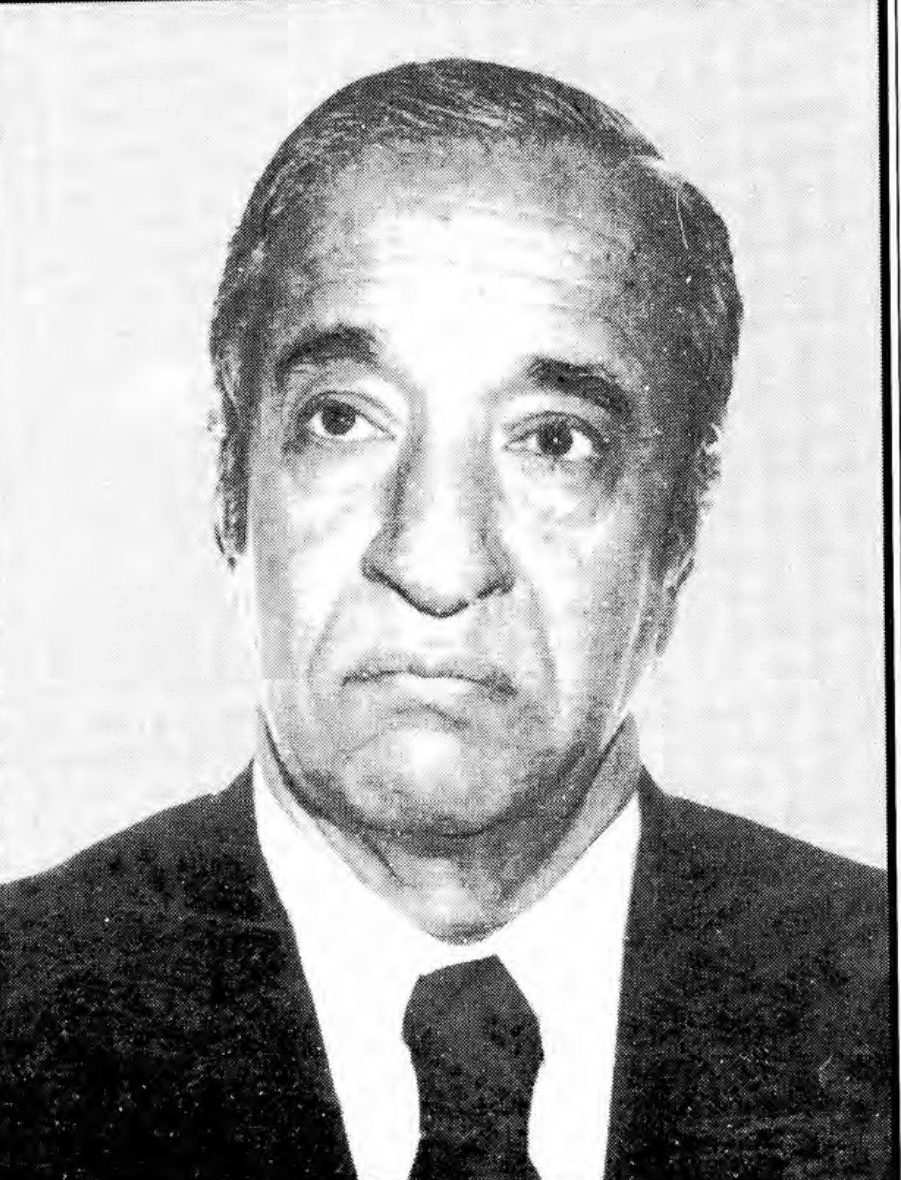
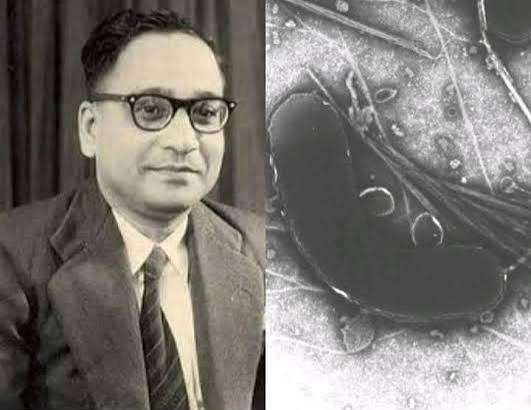
In the history of medical science, some discoveries are so profound that they transform the understanding of diseases and save millions of lives, yet the scientists behind them remain largely forgotten. Dr. Sambhunath De (1915–1985), the Indian physician and medical researcher who unravelled the mystery of cholera, belongs to this extraordinary category. His pioneering discovery of the cholera toxin and the experimental technique that bears his name changed the course of research into one of the world’s deadliest infectious diseases.
At a time when cholera continued to claim countless lives, particularly in developing countries, the medical understanding of how the disease caused such devastating dehydration was incomplete. Although the bacterium Vibrio cholerae had been identified much earlier, the precise mechanism responsible for the massive loss of water and electrolytes from the human intestine remained a scientific puzzle.
Dr. De provided the missing answer.
Born in 1915, Sambhunath De pursued medicine at a time when opportunities and resources for Indian scientific researchers were limited. Yet his intellectual curiosity, determination and commitment to medical research took him beyond conventional clinical practice. He was particularly fascinated by the way infectious organisms interacted with the human body and how such interactions produced life-threatening consequences.
His breakthrough came in 1959, when he demonstrated that cholera was not simply the result of bacteria invading and destroying intestinal tissues. Instead, the disease’s devastating effects were caused by a powerful toxin produced by the bacteria. This toxin disrupted the normal functioning of intestinal cells, triggering the excessive secretion of water and electrolytes into the intestine. The resulting fluid loss could lead to severe dehydration, shock and death within hours if treatment was delayed.
This discovery fundamentally altered the scientific understanding of cholera. It established that a bacterial toxin, rather than direct tissue destruction, was responsible for the characteristic symptoms of the disease.
The significance of De’s research lay equally in the ingenious experimental method he developed. Known as the rabbit ileal loop technique, it involved isolating a small section of the rabbit’s intestine and introducing the cholera bacteria or their culture filtrate into it. By observing the accumulation of fluid inside the loop, De could establish how the infection affected the intestinal lining. Crucially, he demonstrated that even bacteria-free filtrates could produce the characteristic fluid accumulation. This provided compelling evidence that the bacteria released a toxin responsible for the disease.
His landmark findings were published in the prestigious scientific journal Nature in 1959. The paper, titled ‘Enterotoxicity of bacteria-free culture filtrate of Vibrio cholerae’, represented a major breakthrough in bacteriology. It challenged prevailing scientific assumptions and opened an entirely new avenue of research into bacterial toxins and intestinal diseases.
The implications extended well beyond cholera. De’s experiments also helped establish the scientific basis for understanding enterotoxin-producing Escherichia coli (ETEC), another important cause of diarrhoeal disease. His work became a foundation for subsequent investigations into how bacterial toxins interfere with the functioning of intestinal cells.
Perhaps the most significant public health legacy of his discovery was its contribution to the scientific understanding that made oral rehydration therapy possible. By establishing how cholera caused the massive loss of fluids and electrolytes, his research helped researchers appreciate why replacing those fluids was central to treatment. Oral rehydration solution (ORS), now regarded as one of the simplest and most effective life-saving interventions in public health, has since saved millions of lives. It would be inaccurate to attribute the development of ORS to one scientist alone, but De’s pioneering work was an important part of the scientific foundation behind this medical revolution.
Despite the international importance of his research, recognition at home did not match his contribution. He retired from Calcutta Medical College in 1973, but continued his medical work and maintained a clinical pathology laboratory. His research attracted the admiration of leading scientists, including Nobel laureate Joshua Lederberg. He was also invited to participate in the 43rd Nobel Symposium on Cholera and related subjects in 1978. Yet, he never received the kind of national recognition that his extraordinary contribution deserved.
Dr Sambhunath De passed away on April 15, 1985, leaving behind a scientific legacy that transcended geographical boundaries. His story is a reminder that great discoveries do not always emerge from well-funded laboratories or celebrated institutions. Sometimes, they are born out of sheer perseverance, intellectual courage and an unwavering commitment to solving problems that affect humanity.
For the Unsung Heroes series, Dr De’s life offers a particularly powerful lesson. While the world continues to benefit from the scientific advances that followed his discovery, the man who helped unlock the mystery of cholera remains relatively unknown to ordinary Indians. It is time his contribution received greater recognition in the country’s scientific history. A nation that celebrates its achievements must also remember the quiet pioneers whose discoveries have saved countless lives.
Dr Sambhunath De was not merely a scientist who discovered a toxin; he was a pioneer whose research helped humanity understand how to defeat one of its deadliest diseases.