


Sri Dhanvantari Sannidhi is a remarkable shrine dedicated to Lord Sri Dhanvantari, the divine physician and an incarnation of Lord Vishnu, located within the historic Sri Ranganathaswamy Temple complex at Srirangam. While Srirangam is renowned for Lord Ranganatha, this special sannidhi is particularly significant for its connection with Ayurveda, ancient healing traditions and the worship of the divine healer. Devotees visit Lord Dhanvantari seeking blessings for good health, longevity and well-being.
The shrine has a documented history dating back to at least the 13th century. An inscription from 1257 CE refers to a hospital associated with the Srirangam temple and a land grant supporting its activities. These records highlight the importance of healthcare and the worship of Lord Dhanvantari in medieval Tamil Nadu.
Lord Sri Dhanvantari is worshipped in a standing posture, approximately five feet tall, with four arms. His upper hands hold the Sudarshana Chakra and the conch, while his lower hands hold the Amrita Kalasha, the pot of nectar, and display the Varada Mudra, the gesture of granting blessings. The deity represents healing, medicinal knowledge, and the preservation of life. Devotees offer prayers for recovery from illness, good health, and the welfare of their families.
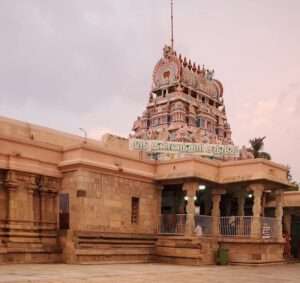
The sannidhi is located on an elevated platform near Chandra Pushkarani, the sacred temple tank, within the fourth enclosure of the Sri Ranganathaswamy Temple. It faces east and has a relatively simple structure compared with the magnificent gopurams and expansive corridors of the main temple. The shrine is distinctive because it does not have a separate vimana above the sanctum or a processional festival deity, making it architecturally unusual among the temple’s many shrines.
The history of the shrine is closely connected with Garudavahana Bhattar, a physician associated with the establishment of a hospital, or arogyashala, at Srirangam. Historical inscriptions refer to land grants supporting the institution, reflecting the importance given to medical care in the temple community. The shrine therefore represents more than a place of worship; it also preserves the memory of a period when temples, physicians, and healthcare were closely connected.
According to Hindu mythology, Lord Dhanvantari appeared during the Samudra Manthan, the churning of the cosmic ocean by the Devas and Asuras. They churned the ocean in search of Amrita, the nectar of immortality, using Mount Mandara as the churning rod and the serpent Vasuki as the rope. During this extraordinary event, Lord Dhanvantari emerged carrying a pot of Amrita, symbolising the preservation of life, health and divine healing. He is revered as the celestial physician and the divine source of Ayurveda, the ancient Indian system of medicine.
Traditional accounts associate Lord Dhanvantari with the transmission of medicinal knowledge to humanity. His image holding the Amrita Kalasha represents the precious gift of life, while the other symbols reflect divine protection and the wisdom needed to overcome suffering. For this reason, physicians, practitioners of Ayurveda, and devotees seeking good health hold him in special reverence.
At Srirangam, the worship of Lord Dhanvantari has a distinctive connection with Lord Ranganatha. According to temple tradition, Lord Dhanvantari serves as the divine physician of Lord Ranganatha himself. This association gives the shrine a unique place within the vast temple complex, linking the worship of the Supreme Lord with the tradition of healing and medicinal care.
A particularly interesting tradition concerns the preparation of herbal kashayam, or medicinal decoction, associated with the shrine. Traditional accounts connect this practice with Sri Ramanujacharya and his disciple Garudavahana Panditar. The herbal preparation was offered to Lord Dhanvantari and associated with the service performed for Lord Ranganatha. Ingredients such as dry ginger and jaggery are mentioned in accounts of traditional preparations. This practice reflects the historical relationship between diet, herbal knowledge and religious worship.
The shrine is also associated with the distribution of herbal theertham as prasadam. Devotees receive it with faith and pray for health, strength and peace of mind. The tradition makes the sannidhi especially meaningful because it brings together ancient medical heritage, religious devotion, and the belief that caring for the body is an important part of life. These traditional practices complement, rather than replace, appropriate medical treatment.
Dhanvantari Jayanti, observed during the Dhanteras period, is an important occasion for worshipping Lord Dhanvantari. Devotees offer special prayers for health, longevity, and family well-being. Archana and thirumanjanam may also be performed according to the temple’s schedule. Since the sannidhi is located within the Sri Ranganathaswamy Temple complex, devotees can include it in their pilgrimage during major occasions such as Vaikunta Ekadasi and the annual temple festivals, subject to temple arrangements.

