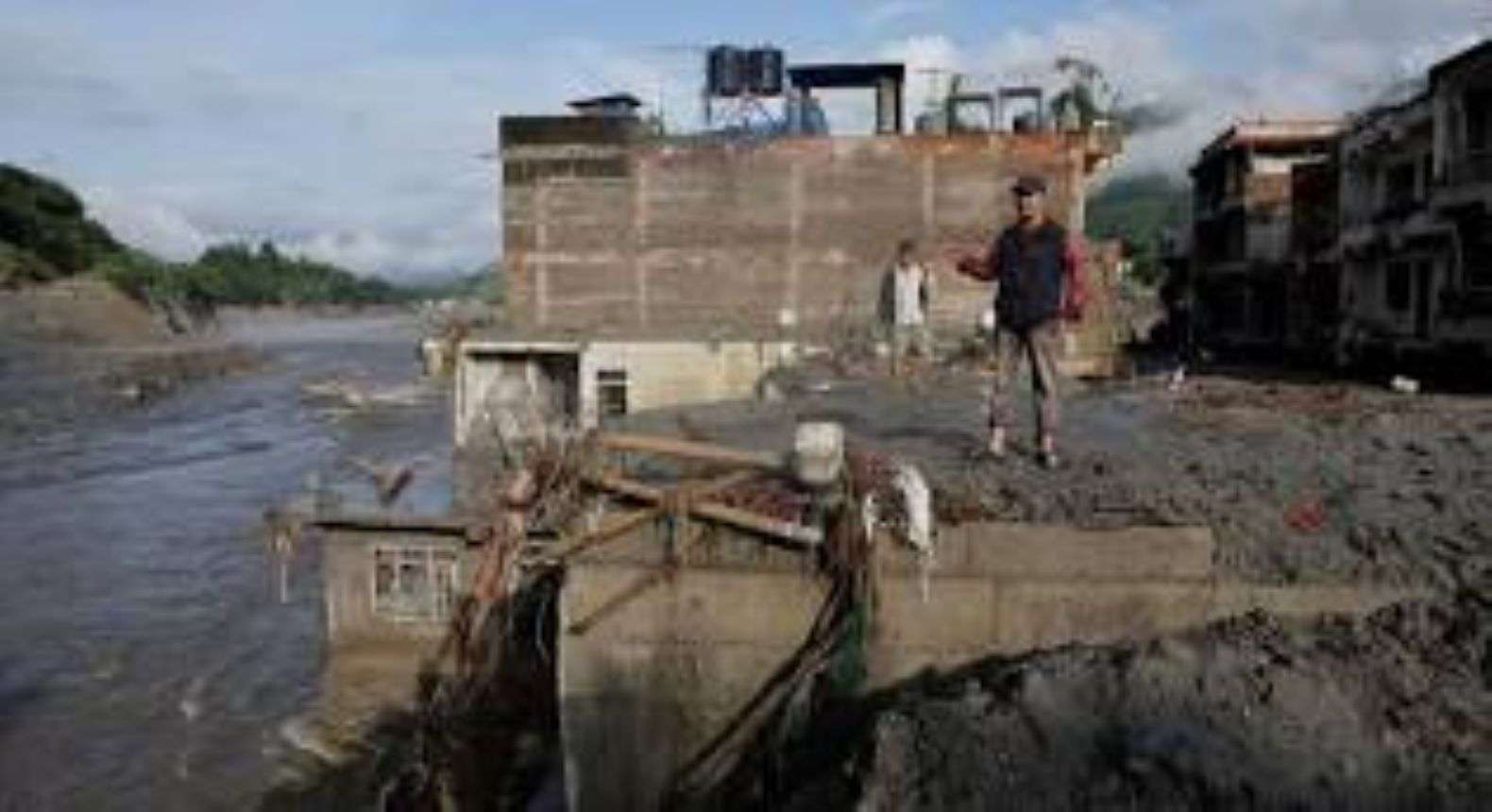
Kathmandu: The death toll from flash floods in central Nepal rose to 469 on Friday, with more bodies recovered as search and rescue operations continued for the third day following the disaster.
In a statement, Nepal Police said the bodies were recovered from eight districts of the Himalayan nation.
According to the police, 178 dead bodies have been recovered from Chitwan, 110 from Nawalparasi East, 44 from Gorkha, 37 from Nuwakot and 33 from Dhading district.
Similarly, 28 bodies have been recovered from Tanahu, 27 from Nawalparasi West and 12 from Rasuwa.
So far, 1,545 injured and stranded people have been rescued from various affected regions. Among them, 84 are currently undergoing treatment in various hospitals in Kathmandu.
Search and rescue operations continued for the third day of the tragic incident with the mobilisation of 7,451 security personnel, including 2,391 Nepal Army personnel, the statement said.
An ice-rock avalanche triggered by a glacial collapse near the Nepal-Tibet border sent a torrent of water, mud and debris downstream through central Nepal on Wednesday, devastating towns and villages, washing away homes, vehicles, roads and bridges, and damaging hydropower projects.
Meanwhile, it is gathered that China has paused rescue work at the epicentre of the catastrophic flooding in Tibet this week amid fears that a lake formed at the site was at risk of bursting, as the overall death toll in Nepal rose to 469 people, with more than 1,300 missing.
A lake formed by immense piles of debris has begun overflowing towards the area where rescue teams were headed, state broadcaster CCTV reported on Friday.
“All rescue teams have been ordered to stand by in place and wait for further instructions,” it said. Emergency teams that had earlier accessed the area “have been ordered to withdraw one kilometre,” the broadcaster added.
The lake formed after a wall of mud and debris hit the border hub of Gvirong in Tibet on Wednesday, causing catastrophic flash floods that thundered down valleys and obliterated entire villages.
The international community is scrambling to get aid into flood-stricken parts of Nepal and Tibet but search and rescue efforts – including for hundreds of tourists – have been complicated by the destruction of dozens of bridges and miles of roads in the mountainous region, which is popular with trekkers and pilgrims.