Lakshmanrao Upadhyayula
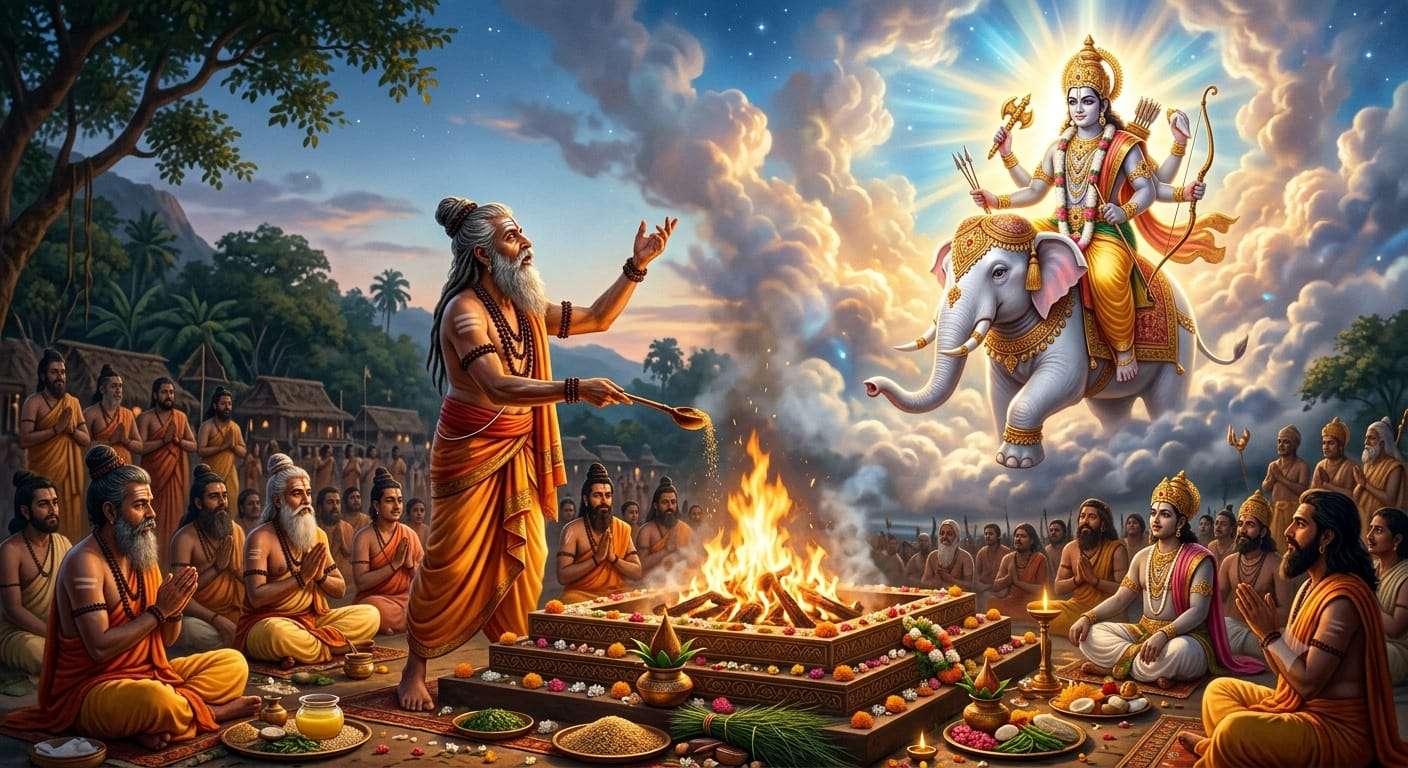
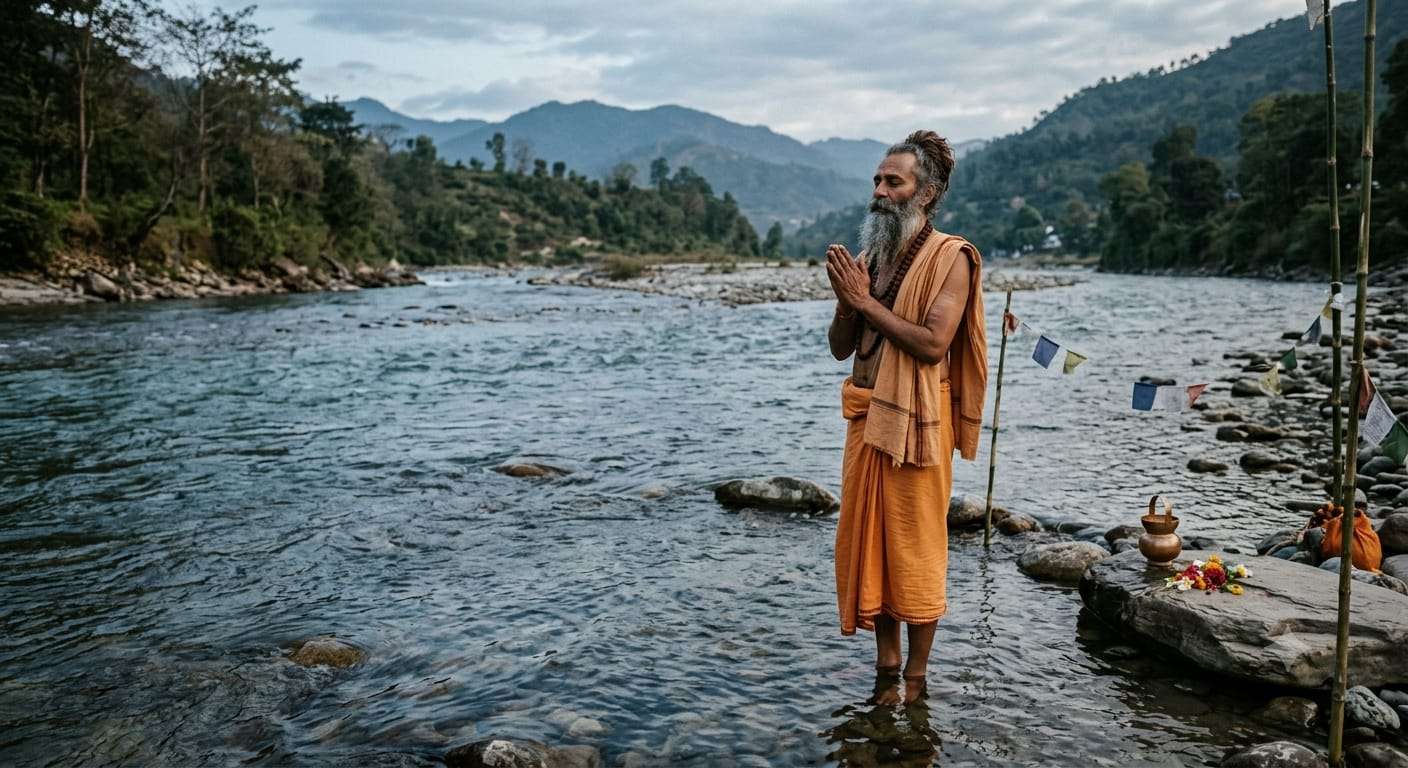
In the ancient Vedic age, when humanity lived in intimate communion with the forces of nature, the sage Vishwamitra raised his voice in prayer through the majestic meters of Tristubh and Anushtubh. His hymns were not mere poetic expressions but sacred invocations that united the human mind with cosmic intelligence. Addressing the mighty rivers Vipāśā and Śutudrī, known today as Beas River and Sutlej River, the sage perceived them as living manifestations of divine order. Emerging from the clefts of the mountains, the rivers surged forth with irresistible vitality, like swift horses released from their stalls, eager to fulfill their destined course toward the ocean.
The seer beheld in their movement a profound symbol of life’s spiritual journey. The two rivers rushed toward the sea as calves hasten toward their mothers, driven by an innate longing for reunion. Their waters flowed side by side like a pair of noble chariots advancing in harmony, dancing with waves and glistening with joy beneath the light of heaven. To the Vedic mind, rivers were not inanimate streams but conscious participants in the divine rhythm of creation. Their ceaseless movement reflected the eternal flow of existence, where every being travels toward its supreme source.
Standing upon their banks, Viśvāmitra addressed them with reverence. He spoke as one who understood both the sanctity of nature and the responsibilities of humanity. The rivers, personified as noble sisters, responded to his invocation. They declared that their flow was perpetual and ordained by divine law. Purified in their own waters, they moved toward the celestial realms, fulfilling the purpose established for them by the cosmic order. Yet they paused to inquire about the intention of the Brahmin sage who sought their attention through sacred hymns.
Viśvāmitra introduced himself as a seeker enriched by Soma, the divine elixir celebrated in Vedic sacrifice. He requested the rivers to grant him passage. As the son of the Kuśika lineage, he approached them not with arrogance but with humility, seeking cooperation rather than domination. His appeal reveals an important Vedic principle: nature is not conquered through force but approached through respect, understanding, and harmonious dialogue. The sage’s words were woven with mantras, acknowledging the sacred intelligence that permeates the natural world.
The rivers then recalled the mighty deeds of Indra, the wielder of the thunderbolt. They narrated how the cosmic serpent Vṛtra had imprisoned the waters, obstructing the life-giving flow upon which the world depended. Indra, armed with the Vajra, shattered the power of Vṛtra and released the captive rivers. This celebrated Vedic narrative symbolizes the triumph of order over chaos, knowledge over ignorance, and life over stagnation. Through divine action, the waters were liberated to nourish the earth, sustain civilization, and maintain the balance of creation.
The rivers acknowledged that their movement was inspired by Indra’s command. They flowed according to the divine will that governs the universe. Their testimony reflects a profound Vedic insight: natural phenomena operate according to consistent principles established within the cosmic order. What appears as mythological language simultaneously conveys an early recognition of lawful processes in nature. The rivers descend from the mountains, follow their channels, erode obstacles, and eventually merge with the sea, demonstrating a remarkable observation of hydrological reality within a sacred framework.
Nevertheless, the rivers urged the sage not to neglect the hymns and rituals that sustain harmony between humanity and the cosmos. They reminded him that future sacrifices and prayers should continue to honor the powers that nurture life. Their words were not demands for worship but affirmations of gratitude, reverence, and reciprocal responsibility. In the Vedic worldview, human prosperity depended upon maintaining a respectful relationship with the natural and divine realms.
Viśvāmitra persisted in his request. Having journeyed from distant lands with a horse-drawn chariot, he asked the rivers to lower their waters sufficiently for safe passage. The appeal demonstrates not only spiritual devotion but also practical wisdom. The sage recognized the power of the rivers and sought a solution that respected both human need and natural force. The rivers, moved by his sincerity and the sanctity of his prayers, consented. Their response was filled with tenderness. Like a mother nursing her child and like a loving maiden embracing her beloved, they graciously opened a way for the travelers.
The sage and the people of the Bharata lineage crossed successfully. Their passage represented more than a physical journey. It symbolized the cooperation of human endeavor, spiritual insight, and natural forces working together in harmony. The crossing enabled communities to pursue prosperity, secure cattle, cultivate fertile lands, and expand the horizons of civilization. The poets of the Vedic tradition celebrated the rivers as benefactors of humanity, producers of abundance, and sustainers of wealth.
Within this ancient account lies an impressive scientific temperament. The hymn reflects careful observation of river behavior, mountain origins, continuous flow, seasonal variation, and the relationship between rivers and human movement. The sage’s interaction suggests knowledge of engineering principles as well. His intention appears consistent with constructing a wooden bridge or crossing structure secured with ropes and fastenings, allowing vehicles to pass while respecting the movement of water beneath. Such a vision demonstrates that Vedic spirituality did not reject practical knowledge; rather, it integrated observation, craftsmanship, and reverence into a unified understanding of reality.
The dialogue between Viśvāmitra and the rivers therefore stands as a luminous testimony to the Vedic spirit. It portrays nature as sacred yet intelligible, powerful yet approachable through wisdom and respect. The rivers are honored as divine sisters, while their physical characteristics are observed with remarkable attentiveness. The sage embodies both devotion and reason, revealing that spiritual insight and scientific curiosity need not stand opposed. Together they form a harmonious path through which humanity learns to cross the rivers of the world and, ultimately, the greater river of existence itself.