



Sri Sivagurunathaswamy Temple is an ancient Shiva temple located at Sivapuram, about 6 km from Kumbakonam in Thanjavur district, Tamil Nadu. The temple is especially associated with Lord Kubera, the divine treasurer of the gods, who is believed to have worshipped Lord Shiva here to overcome a curse and regain his lost position. Once known as Kuberapuram, the sacred village is also called Bhoo Kailasam, meaning Kailasa on Earth. The temple holds special significance during Deepavali, when devotees worship Lord Shiva seeking prosperity, financial stability and relief from difficulties.
The temple is traditionally believed to be 1,000–2,000 years old, with its present stone structures largely reflecting Chola-period architecture. It is one of the 276 Paadal Petra Sthalams, praised in the sacred Thevaram hymns by the Shaivite saints Thirugnanasambandar and Appar. It is the 67th celebrated Shiva temple on the southern bank of the Cauvery in the Chola region.
The presiding deity is Lord Sivagurunathaswamy, also known as Sivapuranathar and Sivapureeswarar, worshipped as a Swayambhu Shiva Lingam (self-manifested). Goddess Parvati is worshipped here as Sri Singaravalli and Sri Aryambal. The main Shiva Lingam is traditionally believed to have been worshipped by Lord Kubera himself. The temple also has shrines for Lord Ganesha, Murugan, Kala Bhairava and other deities.
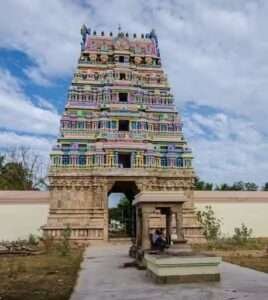
Built in the traditional Dravidian style, the temple has a five-tiered Rajagopuram, stone corridors and beautifully carved sculptures. A rare depiction of Lord Dakshinamurthy shows Rahu beneath his feet instead of the usual Muyalagan. Another unusual sculpture portrays Kala Bhairava’s dog with one ear raised, as though listening to devotees’ prayers. The temple’s sacred tree is Shenbagam, and its holy waters include Chandra Theertham and Surya Theertham.
Sivapuram was historically known as Kuberapuram, Shenbagaranyam and Bhoo Kailasam. The temple has been an important centre of Shiva worship since the time of the early Tamil Shaivite saints. According to tradition, innumerable Shiva Lingams lie beneath the village soil, making the entire region sacred.
Saint Thirugnanasambandar is believed to have avoided stepping on this holy ground and instead performed Angapradakshinam, rolling around the temple in reverence. He later sang hymns praising Lord Shiva from a place now called Swamigal Thurai. This tradition continues to be associated with the temple.
According to the temple’s Sthalapurana, Lord Kubera, the god of wealth, was once living in his divine position as the treasurer of the gods. His half-brother Ravana, the powerful king of Lanka, approached Lord Shiva’s sacred abode without observing the required purity and religious discipline.
Nandi, the divine guardian of Lord Shiva, stopped Ravana from entering. Kubera intervened on behalf of his brother and requested Nandi to permit Ravana inside. Angered by Kubera’s interference, Nandi cursed him to lose his divine position and be born on Earth as a human being.
As a result, Kubera was born as a king, known in local accounts as Dhanapati or Thalapathy. Although he possessed great wealth and power, he became increasingly greedy and obsessed with acquiring more riches. However, he continued worshipping Lord Shiva at Sivapuram.
One day, the king discovered a copper plate containing a mysterious instruction. It stated that performing a particular ritual involving the blood of a young boy on an auspicious Maha Shivaratri, coinciding with Monday and Pradosham, would bring enormous wealth.
Blinded by greed, the king arranged to obtain a young boy from a poor couple by offering them money. He brought the child and his parents to the temple to perform the ritual.
As the terrifying moment approached, the frightened child clung to his parents and prayed desperately for divine protection. Goddess Parvati, moved by the child’s suffering, appealed to Lord Shiva to save him.
Lord Shiva revealed that the entire incident was a divine test intended to free Kubera from his greed and Nandi’s curse. The parents were none other than Lord Indra and Goddess Indrani, while the child was Agni, the Fire God, who had appeared in human form.
Before the king could harm the child, Lord Shiva manifested before them and stopped the ritual. Realising the terrible consequences of his greed, Kubera fell at the Lord’s feet and begged forgiveness.
Pleased with his repentance, Lord Shiva released Kubera from Nandi’s curse and restored his divine position as the treasurer of the gods.
Another legend says that Lord Vishnu, after rescuing the Earth in his white Varaha form, worshipped Lord Shiva here with lotus flowers and received his blessings. A sculpture depicting this episode can be seen on the temple wall.
Maha Shivaratri, Pradosham, Aippasi Annabhishekam and Deepavali are important occasions for worship. A special Kubera Puja is traditionally associated with Deepavali, when devotees pray for prosperity and financial well-being. Mondays are considered auspicious for worshipping Lord Shiva. Devotees also perform Angapradakshinam as an expression of devotion.


