



Lord Dakshinamurthy temple at Poonthottam a small town in the Cauvery delta region of Tamil Nadu. Within the Agastheeshwarar Shiva temple is a rare shrine dedicated to Lord Dakshinamurthy, worshipped as Mandala Rasi Gurubagavan. The shrine is particularly interesting for its unusual iconography and is regarded as a special place for Guru worship.
The Agastheeshwarar temple is traditionally considered an ancient temple, with local accounts attributing an antiquity of around 1,000 years. However, the exact date of construction of the present structure is not firmly established through available inscriptions, so its age is best described as being based on local tradition.
Lord Dakshinamurthy is the special deity of this shrine. He is shown seated on a representation of the twelve zodiac signs, giving him the name Mandala Rasi Gurubagavan. Nandi forms part of the unusual composition, with Dakshinamurthy resting his hand upon Nandi.
The shrine also has an unusual group of accompanying figures. Sage Agastya and Gorakha Siddhar are associated with Dakshinamurthy instead of the Sanakadi sages normally seen with him. A distinctive idol of Lord Ganesha is also found above the shrine.
The temple follows the traditional architectural style of a Tamil Shiva temple, with the Dakshinamurthy shrine forming its most distinctive feature. The Rasi Mandala beneath the deity is an unusual example of astrological symbolism incorporated directly into the iconography of a Guru shrine.
The twelve zodiac signs are arranged beneath the deity, creating the impression of the divine teacher seated above the entire zodiac cycle. This unusual design is the feature that sets the Poonthottam shrine apart from the conventional Dakshinamurthy shrines found in most Shiva temples.
Poonthottam lies in the historically rich Cauvery delta, an area known for its numerous ancient Shaiva temples. The Agastheeshwarar temple has continued as a local centre of worship, while the Dakshinamurthy shrine has acquired a special reputation among devotees seeking the blessings of Guru.
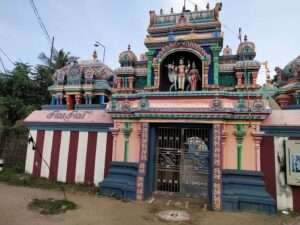
Although much less known than Alangudi, the shrine is of particular interest because of its distinctive form and the way Guru worship is represented through the Rasi Mandala.
The sacred tradition of the temple is connected with Varuna, the guardian of the western direction and the deity associated with water. According to the local sthala tradition, Varuna came to this place and created a sacred water source for worship. This became known as Varuna Theertham and remains associated with the temple.
The presence of Varuna gives the temple a connection with the ancient tradition of the Dikpalakas, the divine guardians of the directions. The sacred water created by Varuna became part of the spiritual identity of the place.
The Guru tradition of Poonthottam is expressed through Dakshinamurthy, the silent teacher and the embodiment of divine knowledge. His unusual placement over the twelve Rasis gives a deeper symbolic character to the shrine, representing the Guru as the source of wisdom above the changing influences represented by the zodiac.
The association of Agastya and Gorakha Siddhar with the shrine further strengthens its connection with the ancient traditions of sages and spiritual teachers. Devotees therefore come here seeking wisdom, knowledge, success in education and the blessings of Guru Bhagavan.
Thursdays are considered especially auspicious for worshipping Dakshinamurthy, and special pujas are performed during Guru Hora. Guru Peyarchi, the transit of Jupiter from one zodiac sign to another, is an important occasion at the shrine, attracting devotees for special worship and prayers. The regular festivals of the Agastheeshwarar temple are also observed.

