



Sree Dakshinamurthy Temple situated at Vellave, near Taliparamba in the Kannur district of Kerala, Sree Dakshinamurthy Temple is an ancient shrine dedicated to Lord Shiva in his form as the Supreme Guru. The temple is particularly significant because Lord Dakshinamurthy is worshipped here as the principal deity, unlike most Shiva temples where he occupies a subsidiary shrine. The temple is closely associated with the religious traditions of the famous Rajarajeshwara Temple at Taliparamba.
According to a locally circulated historical account, the temple is believed to be approximately 600–700 years old, with its origins associated with the 13th or 14th century CE. However, its precise construction date has not been independently established through inscriptions or archaeological records.
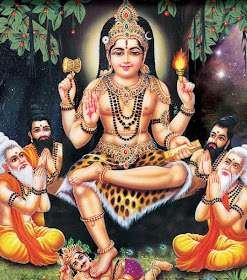
The presiding deity is Lord Dakshinamurthy, the divine Guru form of Lord Shiva, representing supreme wisdom, knowledge, spiritual enlightenment and the removal of ignorance.
The temple’s local account describes a Shiva Linga carved from stone and subsequently consecrated for worship. This differs from the belief that the deity is Swayambhu or self-manifested.
Lord Dakshinamurthy is traditionally represented as a youthful divine teacher who imparts the highest spiritual knowledge. His Jnana Mudra symbolises wisdom and the realisation of the Supreme Truth.
Devotees worship the Lord for success in education, concentration, clarity of thought and spiritual progress.
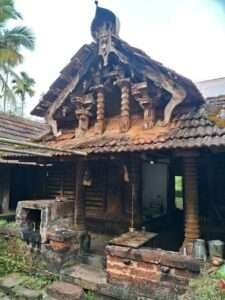
The temple reflects the traditional architectural heritage of northern Kerala.
According to the local description, its construction incorporates laterite stone, wooden pillars and traditional stonework, reflecting the building practices historically followed in the region.
The shrine is also associated with a south-facing architectural feature, described in the Kannada account as a stone opening or doorway. This is locally connected with the temple’s Dakshinamurthy tradition.
The relatively simple surroundings and traditional construction contribute to the temple’s peaceful atmosphere.
Taliparamba has been an important centre of Shaiva worship for centuries, particularly because of the celebrated Rajarajeshwara Temple.
According to the local historical account, the origins of Vellave Dakshinamurthy Temple are associated with a person connected to the Rajarajeshwara Temple during the 13th or 14th century.
The account describes the creation of a Shiva Linga and its subsequent installation at Vellave. Over time, the shrine developed into a place of worship dedicated to Lord Dakshinamurthy.
Although the complete historical circumstances remain uncertain, the tradition suggests a longstanding connection between Vellave and the Shaiva religious heritage of Taliparamba.
According to the local tradition, the origin of Vellave Sree Dakshinamurthy Temple is connected with the ancient Rajarajeshwara Temple at Taliparamba.
The account speaks of a person associated with the Rajarajeshwara Temple who was involved in the creation of a Shiva Linga. According to local tradition, the sacred Shiva Linga was carved from stone and subsequently consecrated at Vellave, where Lord Shiva came to be worshipped in his divine form as Sree Dakshinamurthy, the Supreme Guru.
The tradition further associates the idol with a distinctive south-facing stone feature. The southward direction has particular importance in Dakshinamurthy worship because Lord Shiva, as the divine teacher, is traditionally depicted facing south while imparting supreme knowledge to the sages.
Over the generations, the deity came to be revered as Lord Dakshinamurthy, the Supreme Guru who dispels ignorance and blesses devotees with wisdom. The temple consequently became associated with prayers for education, knowledge and spiritual understanding.
The legend reflects the local belief that the sacred presence of Lord Shiva as Dakshinamurthy was established at Vellave through the creation and consecration of the Shiva Linga.
Thursday, known as Guruvar, is traditionally considered an auspicious day for worshipping Lord Dakshinamurthy.
Devotees offer prayers seeking wisdom, educational progress, concentration, clarity of mind and spiritual enlightenment.
Lord Dakshinamurthy is particularly revered by students, teachers and spiritual seekers as the divine source of knowledge.
Maha Shivaratri is an important festival in the wider tradition of Shiva worship. The temple’s specific annual festival schedule requires local confirmation.


