



Janardana Temple is an ancient temple dedicated to Lord Vishnu in his form as Janardana. It is situated on Bhasmakut Hill, near Mangala Gauri Temple in Gaya, Bihar. Gaya is one of India’s most sacred pilgrimage centres for Pitru Paksha, when devotees perform Shraddha, Tarpan and Pinda Daan for their departed ancestors. The Janardana Temple is associated with the distinctive tradition of Atma Shraddha, in which a living person performs Shraddha rituals for themselves. This unusual practice makes the temple particularly relevant to Mahalaya Amavasya.
The exact age of the present temple structure has not been firmly established in available historical records. The shrine is traditionally regarded as ancient and forms part of Gaya’s network of sacred places associated with ancestral worship. However, its precise construction date and the identity of its original builder remain uncertain.
The presiding deity is Lord Janardana, a form of Lord Vishnu. The name Janardana is traditionally associated with the Lord who protects people and removes their suffering. Devotees worship him for divine blessings, spiritual peace and liberation. His association with ancestral rituals gives the shrine special importance during Pitru Paksha.
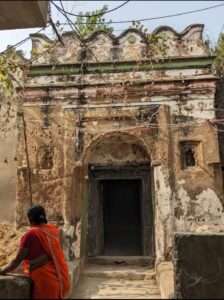
The Janardana Temple is described as an old stone temple situated on Bhasmakut Hill. Its structure reflects the traditional character of Gaya’s smaller pilgrimage shrines. The temple’s importance rests mainly on its religious significance and ancestral worship traditions rather than elaborate architectural decoration. Detailed historical information about its original design, architectural style and successive renovations is limited.
Gaya has been an important centre of Hindu ancestral worship for centuries. Pilgrims visit its sacred sites to offer Pinda Daan and perform Shraddha for the peace and spiritual welfare of their departed family members. The Janardana Temple is associated with a distinctive ritual known as Atma Shraddha or Atma Pinda Daan.
According to local religious tradition, a person may perform their own Shraddha during their lifetime. This practice is particularly associated with certain renunciants and people who wish to fulfil specific spiritual obligations before death. The ritual is believed to help the individual prepare spiritually for liberation. This association distinguishes the temple from many other shrines in Gaya that are primarily visited for ancestral offerings.
The sacred history of Gaya is closely connected with the traditional account of Gayasura. According to Hindu tradition, Gayasura was a powerful being whose devotion and purity became so extraordinary that the mere sight of him was believed to grant spiritual merit. The gods became concerned about the consequences of this power and approached Lord Vishnu for help.
Lord Vishnu intervened, and Gayasura agreed to surrender his body for a sacred purpose. According to the sacred legend, the Lord pressed him down and sanctified the land associated with him. Gayasura requested that the place should remain holy and that religious rites performed there for departed souls should help them attain liberation. This traditional account explains why Gaya became one of India’s most important centres for Pinda Daan and Shraddha.
Within this sacred landscape, Lord Janardana is worshipped as a form of Vishnu who receives the devotion and offerings of pilgrims. The temple is associated with Atma Shraddha, a practice that differs from the usual Shraddha performed by family members for their deceased relatives.
In this ritual, a living person undertakes prescribed religious observances and offers Pindas for themselves. According to local religious accounts, the observance may involve prayers, worship and offerings performed under the guidance of priests. The practice is followed by those who believe that fulfilling these spiritual obligations during their lifetime will help them seek liberation. The precise procedure and eligibility should be confirmed with the temple’s traditional authorities.
The association of Lord Janardana with these offerings gives the temple a distinctive place in Gaya’s ancestral pilgrimage tradition. During Pitru Paksha, when families remember their ancestors through prayers and offerings, the shrine reminds devotees of the importance of gratitude, spiritual duty, and the cycle of life and death. Its association with Atma Shraddha makes it a meaningful subject for Mahalaya Amavasya.
Pitru Paksha is the most significant period associated with the temple’s ancestral rites. During this fortnight, devotees visit Gaya to perform Shraddha, Tarpan and Pinda Daan for their departed family members. Mahalaya Amavasya, also known as Sarva Pitru Amavasya, is especially important for remembering ancestors, including those whose exact death dates are unknown. Worship of Lord Vishnu and other Vaishnava observances may also be followed, although a detailed temple-specific annual festival calendar is not readily available.

