



Yajna-Varaha was an ancient form of Lord Vishnu worshipped at Prithudaka, the ancient name of present-day Pehowa in Kurukshetra district of Haryana. Located on the banks of the sacred Sarasvati, Prithudaka was one of the important tirthas of ancient northern India. What makes this shrine particularly remarkable is that its existence is firmly recorded in a 9th-century inscription, making it one of the earliest historically documented Vishnu shrines associated with the region.
The Yajna-Varaha temple existed by 882–883 CE, when an inscription from Prithudaka recorded its presence. The inscription states that a Brahmana named Bhuvaka had constructed the temple dedicated to Vishnu as Yajna-Varaha. This makes the shrine more than 1,100 years old. The original temple has not survived as an identifiable standing structure today, but its existence and dedication are preserved through the inscriptional record.
The presiding deity was Lord Vishnu in the form of Yajna-Varaha. Varaha is the divine Boar incarnation of Vishnu who rescued the Earth from the primordial waters and restored her to her rightful place. The Yajna-Varaha form carries a deeper spiritual meaning, connecting Varaha with Yajna, the sacred cosmic sacrifice and the principle of maintaining cosmic order. The fact that the 9th-century inscription specifically names the shrine as a temple of Yajna-Varaha makes this an especially significant early record of this form of Vishnu.
The original Yajna-Varaha temple has disappeared, and therefore its complete architectural form cannot be established with certainty. However, archaeological discoveries at ancient temple sites in Pehowa reveal the flourishing temple tradition of the region during the 8th and 9th centuries. At Vishwamitra Ka Tila, remains of an ancient baked-brick temple plinth have been found along with beautifully carved stone sculptures depicting episodes from the Ramayana and Mahabharata. These remains provide a glimpse into the sophisticated religious and artistic environment of ancient Prithudaka.
Ancient Pehowa was known as Prithudaka and developed as both a sacred centre and an important marketplace on the Sarasvati. Two 9th-century inscriptions provide valuable evidence of its flourishing Vaishnava tradition. One records the construction of three Vishnu temples at Prithudaka by members of the Tomara family, while another, dated 882–883 CE, records arrangements made by horse traders for the permanent maintenance of temples and sacred establishments.
The latter inscription specifically mentions the Yajna-Varaha temple built by Bhuvaka. The horse fair at Prithudaka attracted traders from several regions, and the trading community established religious contributions from their transactions. A portion of these contributions was assigned to the Yajna-Varaha temple and its priest. This provides a fascinating glimpse into how temple worship, pilgrimage and commerce were interconnected more than eleven centuries ago.
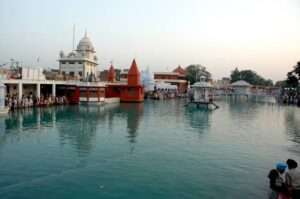
The sacred story of Yajna-Varaha is inseparable from the ancient sanctity of Prithudaka itself. According to the traditional account, the place derives its name from King Prithu, an ancient king revered in Hindu tradition. Prithudaka means the water or sacred pool associated with Prithu. The Sarasvati flowing beside the settlement transformed the region into an important centre of pilgrimage, sacred bathing and ancestral rites.
Tradition associates King Prithu with the performance of ancestral rites on the banks of the Sarasvati. Because of the sanctity attached to these rites, Prithudaka became renowned as a place where offerings to the ancestors could bring exceptional spiritual merit. The Mahabharata also gives Prithudaka a very high place among the sacred tirthas, describing the merit obtained by bathing and performing worship there.
The Varaha tradition forms another important layer of the sacred landscape. Varaha Tirtha was among the ancient sacred places associated with the Prithudaka region. In the Vaishnava tradition, Lord Vishnu assumed the form of the divine Boar to rescue the Earth from the primordial waters. The Earth, represented as Bhudevi, was lifted and restored by Varaha, bringing stability and order back to creation.
At Prithudaka, this ancient Varaha tradition took the distinctive form of Yajna-Varaha. The name connects the cosmic act of restoring the Earth with Yajna, the sacred sacrifice through which cosmic order is sustained. Thus, the presence of Yajna-Varaha at a major Sarasvati tirtha associated with sacred rites and ancestral worship created a unique meeting point of Vishnu worship, the Varaha tradition and the ancient sacred geography of Prithudaka.
By the 9th century, this tradition had become firmly established. Bhuvaka constructed the Yajna-Varaha temple, and the horse-trading community of Prithudaka provided a permanent endowment for its worship and maintenance. The inscription therefore preserves not only the name of a lost temple but also a glimpse into the living religious world that surrounded it more than 1,100 years ago.
The ancient Yajna-Varaha temple itself is no longer a surviving active shrine, but the sacred traditions of Prithudaka continue at Pehowa. The Chaitra Chaudas Mela is one of the important annual observances, when pilgrims gather at the Sarasvati Tirtha for sacred bathing and ancestral rites including Pind Daan and Tarpan. The observance continues the ancient identity of Pehowa as a sacred tirtha associated with the Sarasvati, King Prithu and the worship of the ancestors.


