



Sri Suddha Ratneswarar Temple at Ootathur is an ancient and spiritually significant Shiva temple, associated with the Thevara Vaippu Sthalams. Lord Shiva is worshipped here as Suddha Ratneswarar, also known as Thuyya Mamaniswarar and Masilamani, with Goddess Akhilandeswari as his consort. The temple is particularly renowned for its sacred Brahma Theertham, Swayambhu Shiva Lingam and the rare Panchanadhana Nataraja.
The temple has a history extending back more than a thousand years. Earlier traditions associate the original shrine with the early medieval period, while Chola rulers subsequently renovated and developed the temple. Inscriptions belonging to the Chola period record donations, lamps and other endowments, establishing the temple’s importance during the Chola era.
The presiding deity is Lord Suddha Ratneswarar, worshipped as a Swayambhu Shiva Lingam. The name Suddha Ratneswarar means the Lord associated with the pure and precious gem.
The Lingam is traditionally believed to bear a mark caused by a blow received when it was discovered beneath the earth. Because of this distinctive mark, the Lord is also known as “Uli Padaa Thirumeni”, meaning the divine form that bears the mark of the chisel or tool.
The temple’s greatest speciality is its Panchanadhana Nataraja. Unlike the usual bronze or Panchaloha Nataraja images found in many Shiva temples, the Nataraja here is carved from a rare stone traditionally known as Panchanadhana stone. Goddess Sivakami is also beautifully represented beside him.
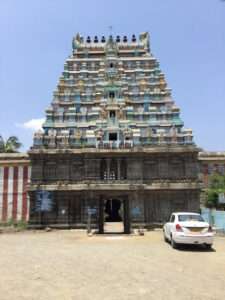
The temple displays traditional Chola-period architectural features, with its sanctum, mandapams, stone pillars and prakaram. One of its most interesting features is the Brahma Theertham, a perennial sacred spring situated within the temple complex close to the sanctum.
The temple also has stone carvings representing the 27 Nakshatras and 12 Rashis, bringing together spirituality and ancient astronomical symbolism.
Ootathur was known in earlier times as Ootrathur. The temple received extensive patronage from the Chola rulers, and its inscriptions provide valuable information about religious endowments and the social history of the region.
Records associated with Rajaraja Chola I and his successors show the continuing importance of the shrine during the Chola period. The temple therefore stands not only as a place of worship but also as a living monument to Tamil and Chola history.
The traditional Sthalapurana of this temple is preserved in the Tamil work known as Ratnapuri Puranam. According to this sacred tradition, Ootathur was once a holy Bilva forest.
Lord Brahma came to this sacred place and worshipped Lord Shiva. He is believed to have created the Brahma Theertham by bringing together sacred waters and then performed Abhishekam and worship to Lord Shiva with its waters. Through this worship, Brahma received the grace of the Lord.
The sacred spring became one of the defining features of the kshetra. The name Ootathur is traditionally connected with the Tamil word “ootru”, meaning a spring or natural source of water. Thus, the ancient name Ootrathur is believed to have gradually become Ootathur.
Another important temple tradition concerns the discovery of the Swayambhu Lingam.
According to the traditional account, when the area was being cleared, workers struck a particular spot in the ground and were astonished to see blood emerging from it. The place was examined and a Shiva Lingam was discovered beneath the earth. The Lingam was found with a mark on its upper portion, believed to have been caused by the tool that struck it.
Recognising this as a divine manifestation of Lord Shiva, the Lingam was worshipped at the very spot. Because of the mark, the Lord came to be known as “Uli Padaa Thirumeni” – the Lord whose sacred form bears the mark of the chisel or tool.
The temple’s most remarkable devotional association is with health and healing. Panchanadhana Nataraja is especially revered by devotees suffering from kidney-related ailments, including kidney stones and other urinary or renal problems. Devotees traditionally offer a Vettiver garland to Nataraja and perform Abhishekam with water from Brahma Theertham. The water associated with this worship is traditionally believed to possess healing properties.
A popular devotional practice involves a garland made with small bundles of Vettiver being offered to Nataraja. Temple traditions describe the Brahma Theertham water used in this worship as particularly sacred, and devotees believe that regular observance of this prayer can bring relief from kidney ailments and various other health problems.
Because of this long-standing belief, Lord Nataraja of Ootathur is popularly revered as a divine healer, and the temple has become especially famous among devotees seeking prayers for kidney-related ailments and general health. These are matters of faith and devotional tradition and should not be considered a substitute for medical treatment.
Maha Shivaratri, Pradosham, Margazhi Thiruvathirai and other important Shaiva festivals are celebrated here.
A special feature occurs during the Tamil month of Masi, when the rays of the rising Sun are traditionally observed falling directly on the Suddha Ratneswarar Lingam on the 12th, 13th and 14th days, creating a beautiful celestial alignment.

