The call for an early SGM and elections leaves more questions than answers.
Special Correspondent
Elections are essential to democracy, and the Hyderabad Cricket Association (HCA) is no exception. Members have every right to demand an elected body and a voice in running their association. But elections cannot become a substitute for accountability, nor can urgency be an excuse to bypass due process. A recent press meet by some senior HCA members, seeking an early Special General Meeting (SGM) and Annual General Meeting (AGM), has raised more questions than it has answered.
With former international cricketers at the forefront, expectations were high. Members hoped for a clear road map to restore credibility, implement reforms and put Hyderabad cricket back on track. They also expected to see fresh, competent faces capable of taking the association into the future. Instead, the press meet was brief, several questions remained unanswered, and the response to what would happen if the AGM could not be held was telling: “We haven’t thought about the next step as yet.”
Why the delay?
The AGM was said to be due on October 21, with questions raised about the appointment of a Returning Officer. Yet HCA’s Rules stipulate that the AGM should be held by September 30, with the Electoral Officer appointed by the Apex Council four weeks in advance.
The High Court’s order did not relieve the Apex Council of its responsibilities. It required the council to discharge them under the guidance and with the approval of the Single Member Committee (SMC). Why, then, was a timely proposal not placed before the SMC to facilitate the AGM and elections? Was such a proposal ever submitted? These are legitimate questions that deserve clear answers.
Amendments without disclosure?
The proposed SGM is reportedly intended to amend the constitution, including increasing the number of councillors and relaxing eligibility criteria for selectors. These are consequential changes, not routine housekeeping. Have the draft amendments been circulated to members and placed before the SMC?
The Rules require an SGM notice to specify the business to be transacted. Amendments also require a three-fourths majority and the Supreme Court’s leave. Members cannot make an informed decision on proposals they have not had an opportunity to examine. Transparency must precede voting, not follow it.

A troubling precedent
The association’s recent record hardly inspires confidence. The minutes of the 87th AGM were never circulated, an adjourned AGM was convened at just three days’ notice, and decisions of the 86th AGM—including acceptance of Justice L. Nageswara Rao’s reforms—remain unimplemented.
What assurance is there that the proposed SGM will not repeat this pattern? The suggested date of November 15 also raises a procedural concern: the Rules prescribe 21 days’ notice for an SGM, with the business clearly specified. Whether the proposed timetable complies must be established before the meeting is announced as a fait accompli.
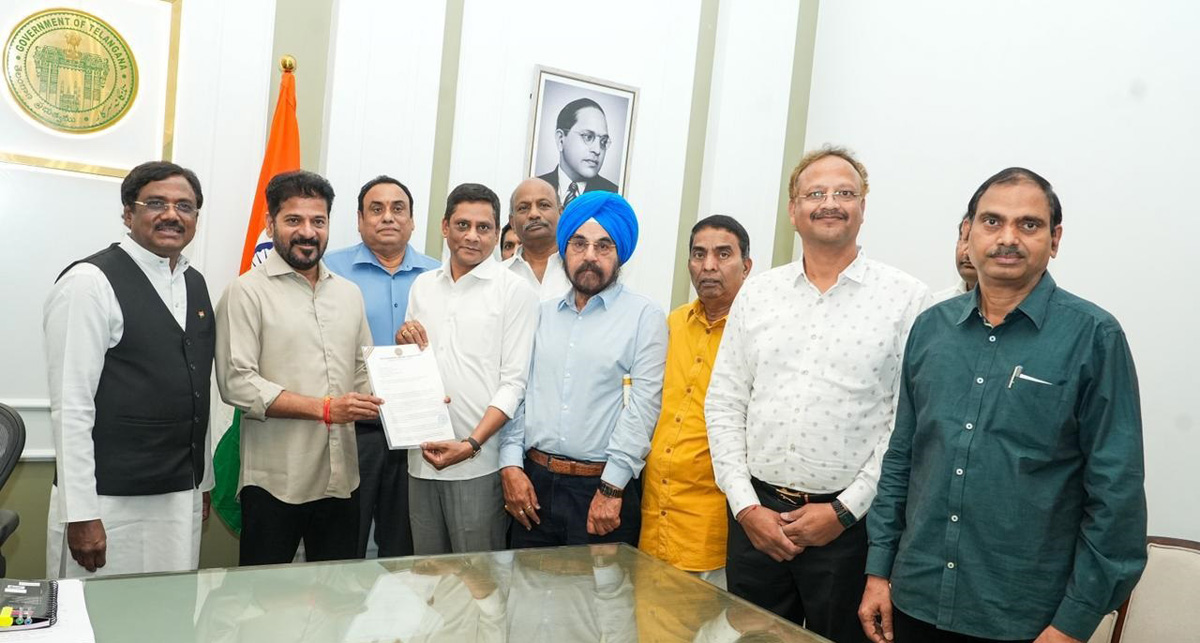
Then there is the letter bearing 108 signatures. Rule 9 provides for requisitioning an SGM by at least one-third of Full Members through their authorised representatives, specifying the business. Was this requirement satisfied? Making the letter available would settle the matter without unnecessary speculation.
The Court is not a detour
The administrators did not arrive by personal choice; judicial intervention followed the association’s troubled state of affairs. The High Court has indicated that grievances concerning the SMC’s decisions must be taken before the Court, with appeals listed before the Chief Justice on November 2. With the judicial forum already available, would it not be prudent to place the disputed issues before it rather than risk further procedural complications?
Similarly, the claim that the 57 clubs disqualified in 2023 are now automatically eligible warrants scrutiny. Justice Nageswara Rao had also called for an inquiry into other similarly placed clubs, which remains pending. Eligibility should be determined by the competent authority—the SMC or the Court—on the basis of the record, not by assumption.
Where are members in all this?
Curiously, the press meet offered little on members’ everyday concerns: the Cricket Development Fund for clubs, insurance for players and officials, fair allocation of match duties, timely payments to umpires and scorers, and adequate grounds for league cricket. If members are the driving force behind the demand for elections, their practical concerns deserve equal, if not greater, attention.
Some participants are also former office-bearers whose pending cases were referred to in Justice Nageswara Rao’s report to the Supreme Court. They are entitled to due process, and no inference of guilt is warranted. Nevertheless, members are entitled to ask whether institutional reform, personal interests and unresolved litigation are being adequately separated.
Elections, yes. But how?
Nobody is opposing elections. The demand is for elections conducted lawfully, transparently and without another round of avoidable controversy. Circulate the proposed amendments. Clarify the signatures and the notice requirements. Keep the SMC and the Court appropriately informed. Record and circulate minutes. Implement earlier AGM decisions. And, above all, present a credible road map backed by capable people who can restore confidence in Hyderabad cricket.
An election may change the faces in office. It will not, by itself, change the culture of an institution. HCA needs more than a date for elections. It needs answers, accountability and a plan for the future.