U Lakshman Rao
Across many societies, growing concern is emerging about the future of marriage, family life, and human relationships. A widely circulated claim, attributed to discussions based on reported research by Morgan Stanley, suggests that by the end of this decade, a significant proportion of women aged 25 to 45 may remain unmarried or choose to live without children. While the exact figures and projections continue to be debated, the broader social trend is unmistakable. Marriage is taking place later than in previous generations, birth rates are declining across many nations, and an increasing number of people are choosing independent lifestyles over traditional family structures. These developments deserve thoughtful reflection rather than emotional reactions, as they represent profound cultural, economic, and psychological transformations.
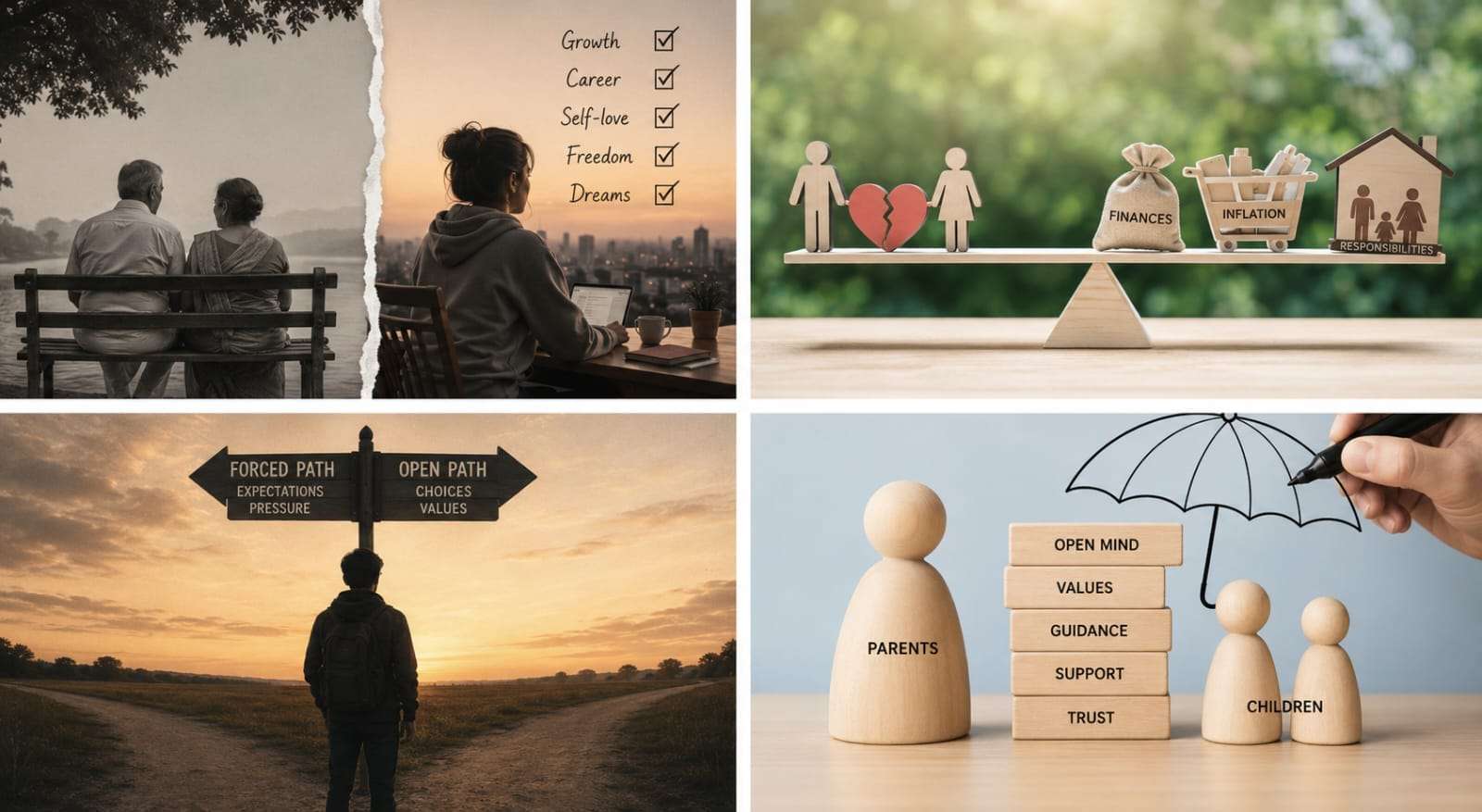
Modern education has opened remarkable opportunities for women and men alike. Higher education, professional careers, financial independence, and personal achievement have become central aspirations. For many women, marriage is no longer viewed as the primary milestone of adulthood. Instead, personal growth, career fulfilment, economic security, and freedom of choice have become equally—and often more—significant. This transformation reflects decades of social progress that have expanded opportunities once unavailable to previous generations. At the same time, these changing priorities have altered the traditional timeline of marriage and parenthood.
Economic realities have also reshaped personal decisions. The rising cost of housing, education, healthcare, childcare, and weddings has prompted many young adults to postpone marriage until they feel financially secure. Urban lifestyles demand long working hours, intense competition, and continuous professional development. Many couples believe that delaying marriage or limiting family size offers greater financial stability. These decisions are often motivated by responsibility rather than selfishness, yet collectively they contribute to changing demographic patterns.
Psychological factors also play an important role. Many young adults have witnessed broken marriages, family conflict, emotional neglect, or divorce during their formative years. As a result, some associate marriage with stress rather than companionship. Others fear losing their independence or becoming trapped in unhealthy relationships. Social media further amplifies unrealistic expectations by presenting idealised lifestyles, making real relationships appear more difficult than they truly are. Anxiety, perfectionism, fear of commitment, and the desire to avoid emotional pain often discourage individuals from pursuing lifelong partnerships.
Another emerging trend is the preference for solo living. Many people value the freedom to make independent decisions regarding careers, travel, finances, and personal goals. Living alone no longer carries the social stigma it once did. While independence can foster confidence and self-discovery, prolonged isolation may gradually reduce opportunities for deep emotional bonding. Human beings are inherently social, and meaningful companionship often contributes significantly to emotional resilience, mental well-being, and overall quality of life.
The consequences of these demographic shifts extend well beyond individual lives. Declining marriage rates and lower fertility eventually lead to ageing populations, shrinking workforces, increased economic burdens on younger generations, and greater pressure on healthcare and pension systems. Communities with fewer children often experience quieter neighbourhoods, school closures, and slowing local economies. Extended family relationships, once strengthened through siblings, cousins, uncles, aunts, and grandparents, become increasingly rare, leaving future generations with fewer familial connections and support networks.
Delayed marriage also carries biological considerations. While modern medicine has greatly improved reproductive healthcare, fertility naturally declines with age for both women and men, though more significantly for women. Older parenthood can be deeply rewarding, but it may also involve greater medical challenges and less time shared between grandparents and grandchildren. These realities should be acknowledged thoughtfully without becoming grounds for fear or social pressure.
At the same time, it is important to avoid simplistic conclusions. Remaining unmarried does not automatically lead to unhappiness, nor does marrying early guarantee lifelong fulfilment. Healthy marriages depend on mutual respect, emotional maturity, shared values, effective communication, financial responsibility, and genuine commitment. Likewise, many single individuals lead meaningful, productive, and compassionate lives. Discussions about marriage should therefore avoid blame and instead encourage informed, balanced decision-making.
The weakening of extended family structures has also influenced these trends. As families become smaller and more geographically dispersed, children grow up with fewer interactions with grandparents, aunts, uncles, and cousins. These relationships have traditionally provided emotional security, practical support, cultural continuity, and a strong sense of belonging. Their gradual decline may contribute to growing loneliness despite unprecedented technological connectivity.
One of the greatest challenges facing modern society is not merely delayed marriage but the growing epidemic of loneliness. Psychological research consistently shows that chronic loneliness is associated with depression, anxiety, cardiovascular disease, cognitive decline, and reduced life satisfaction. Digital communication, although valuable, cannot fully replace the warmth of shared meals, family celebrations, physical presence, and enduring personal relationships. As communities become increasingly individualistic, many people discover that professional success alone cannot satisfy the deepest human longing for love, belonging, and lasting companionship.
Addressing these challenges requires wisdom rather than polarization. Families should encourage open conversations about relationships without imposing unnecessary pressure. Educational institutions can prepare young adults not only for careers but also for healthy interpersonal relationships, conflict resolution, emotional intelligence, and responsible family life. Governments can support affordable housing, childcare, parental leave, flexible work arrangements, and family-friendly economic policies that reduce practical barriers to marriage and parenting. Religious institutions, community organisations, and civic leaders can also strengthen social networks that foster trust, mutual support, and intergenerational relationships.
Parents, too, carry an important responsibility. Rather than viewing marriage solely as a social obligation or delaying it until every material goal has been achieved, they can guide their children toward balanced priorities. Young adults should be encouraged to pursue education and careers while remaining open to building healthy families when they are emotionally, financially, and relationally prepared. Neither rushing into marriage nor postponing it indefinitely serves the long-term well-being of individuals or society. Discernment, maturity, and mutual commitment remain the strongest foundations for lasting relationships.
Ultimately, the future of civilisation depends not merely on economic growth or technological innovation but on the strength of its relationships. Families nurture compassion, transmit values, preserve culture, and cultivate responsible citizens. A flourishing society is built when individual aspirations are harmonised with communal responsibility. Progress reaches its highest expression when freedom is joined with commitment, independence with love, and personal success with the enduring legacy of family, community, and future generations.