U Lakshman Rao
(……Continued)
15. New Yajnopavita Dharana — Wearing of a new sacred thread.
The new yajnopavita signifies renewal of sacred responsibility. It reminds the groom of his obligations toward learning, family, society and the divine order.
16. Gauri Kankana Devata Puja — Worship connected with the Gauri Kankana.
The ritual invokes the protective and auspicious powers associated with Gauri. It prepares the bride for the central transition into married life.
17. Kautuka Dharana — Wearing of the ceremonial thread.
The kautuka represents auspicious protection and ceremonial readiness. It connects the participants to the sacred purpose of the proceedings.
18. Kankana Dharana — Tying of sacred wrist bands.
The kankanas are symbolic bonds of protection and observance. They remind the bride and groom that the marriage rites require discipline, attention and sacred participation.
19. Madhuparka — Ceremonial offering.
Madhuparka, traditionally associated with an honourable offering, represents hospitality and respect. Its presence in the marriage ceremony reflects the ancient Indian principle that a revered guest is to be received with generosity.
20. Bringing the Bride in a Basket — Ceremonial entrance of the bride.
The bride’s entrance is not treated as an ordinary arrival. She enters the sacred space ceremonially, marking the moment when the two individual journeys begin converging toward one shared destiny.
21. Tera Chāpu — The ceremonial screen.
The screen separating the bride and groom preserves the sanctity of the moment before their formal union. Its removal becomes symbolically significant: two individuals who were separated are about to stand before each other as partners.
22. Maha Sankalpam — The solemn declaration of sacred resolve.
The Sankalpa is one of the most profound elements of Hindu ritual. It places the ceremony within sacred time, identifies the participants and declares their intention before the divine order. Marriage thereby becomes a conscious undertaking rather than a mere celebration.
23. Kanyadanam — Giving away of the bride.
Kanyadanam represents one of the most solemn responsibilities of the bride’s parents. The daughter is entrusted to the groom, accompanied by prayers and obligations. Properly understood, it is not a statement that a woman is property, but a sacred expression of parental trust and responsibility.
24. Vadhūvara Pramanamulu — Vows and solemn declarations.
The bride and groom make declarations concerning their relationship and responsibilities. Marriage acquires moral substance through such commitments; affection alone cannot sustain a household without fidelity, responsibility and mutual respect.
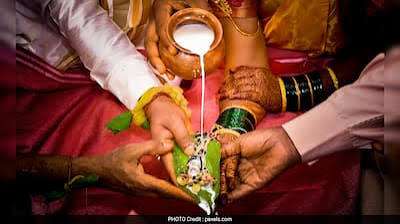
25. Sumuhurtham — Jeelakarra Bellam.
At the auspicious moment, the bride and groom place jeelakarra bellam, cumin and jaggery, upon each other’s heads. Their contrasting tastes becoming one substance symbolise the blending of two lives. The ritual captures a profound truth: marriage requires the capacity to accept differences and transform them into harmony.
26. Swarnajala Abhishekam — Ceremonial sprinkling with sanctified water and gold.
The ritual associates the union with purity, prosperity and auspiciousness. Water represents cleansing and continuity, while gold signifies enduring value.
27. Churnika — Recitation of prescribed verses.
Sacred words are an integral part of Vedic ritual. The Churnika reinforces the ceremony through formal recitation, demonstrating that the spoken word itself is regarded as a vehicle of sacred intention.
28. Vadhūvara Sankalpam — Sacred resolve of bride and groom.
The couple again affirms their intention, reinforcing the seriousness of the commitment. Repetition in ritual is not unnecessary redundancy; it deepens awareness and establishes the resolve firmly.
29. Yoktra Dharanam — Wearing of the ceremonial cord.
The ceremonial cord symbolises connection and obligation. The couple is progressively bound not merely to each other but to the duties that accompany household life.

30. Mangala Puja — Worship of the mangalya.
Before the mangalya becomes part of the bride’s adornment, it is itself sanctified. The ornament becomes a visible symbol of an invisible commitment.
31. Mangalya Dharanam — Tying of the sacred mangalsutra.
This is one of the most publicly recognised moments of the Hindu wedding. Yet its importance goes beyond the physical ornament: it represents the visible seal of the marital commitment.
32. Akshatalu–Talambralu — Showering of sacred rice.
The showering of rice and talambralu expresses blessings for abundance, prosperity and happiness. The rice, a fundamental symbol of nourishment, evokes the wish that the household may never lack sustenance.
33. Brahma Mudi — Ceremonial knot joining the bride and groom.
The knot expresses unity. Two individuals remain distinct personalities, yet their lives are now tied together through shared responsibilities, aspirations and destiny.
34. Sannikallu Tokkadam — Stepping upon the sacred stone.
The stone symbolises firmness and stability. The bride is reminded of the strength required to face the changing circumstances of household life.
35. Kallu Tokkinchadam — Ceremonial touching or stepping of the feet.
This rite belongs to the symbolic language of humility and mutual participation. The gestures of the ceremony remind the couple that marriage requires patience, adjustment and respect.
36. Panigrahanam — The groom taking the bride’s hand.
Panigrahanam is among the central marriage rites. Taking the bride’s hand signifies acceptance of companionship and responsibility. The hand becomes the physical symbol of a lifelong promise to walk together.
37. Saptapadi — The seven sacred steps.
The Saptapadi is the spiritual heart of the marriage ceremony. Seven steps signify the progressive undertaking of shared responsibilities and aspirations. Marriage here becomes a journey: nourishment, strength, prosperity, happiness, progeny, harmonious living and enduring companionship are understood through the sacred progression of the steps.
38. Lajahomam — Offering of puffed grain into the sacred fire.
The offering represents dedication and sacrifice. The sacred fire becomes witness to the couple’s willingness to place their individual desires within the larger framework of family and dharma.
39. Yoktra Vimochanam — Removal of the ceremonial cord.
The removal of the cord signifies the completion of a particular stage of ritual observance. What was temporarily tied for sacred purpose is released after its function has been fulfilled.
40. Sthalipakam — Ceremonial cooking and offering.
Cooking has profound significance in Hindu household life. Sthalipaka anticipates the shared responsibility of sustaining the family and transforms food preparation and offering into an expression of service. (to be concluded)