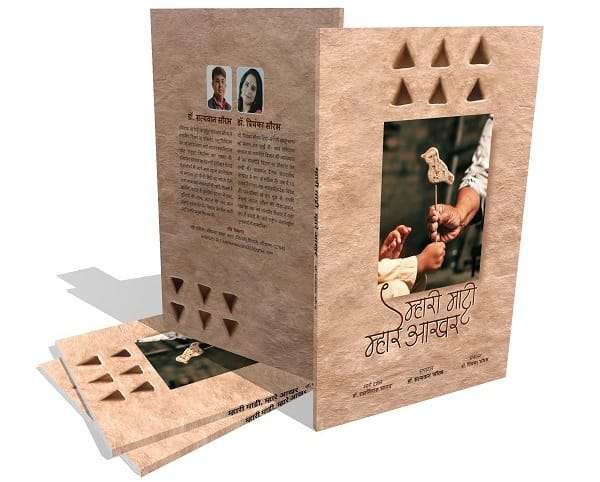
Book: ‘Mhaare Maatti, Mhaare Aakhar’ Editor: Dr. Satyawan Saurabh Publisher: Pragyanshala, RK Features, Bhiwani Pages: 275 Price: Rs 120
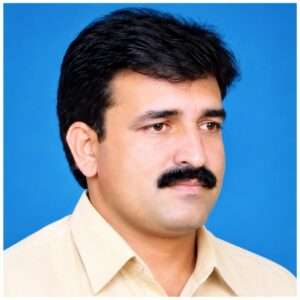
Satyaveer Nahadia
The short story has carved out a unique and original place for itself in fiction. This is why, after being published in various languages, work on short stories is also being continuously conducted in dialects. From national magazines to local newspapers, short stories have carved a special niche for themselves. Various literary magazines have published special issues on short stories, research on short stories, and continuously produced innovative works and new experiments with short stories. In this series, senior literary figure and keen experimenter, Dr. Ramniwas ‘Manav’
Under his guidance, a collection of Haryanvi short stories, ‘Mhari Matti, Mhare Akhar’, has emerged as an innovative experiment in the field of Haryanvi mother tongue and short stories. Three short stories each by thirty-three writers have been included in the skillful editing and careful compilation of the divine couple Dr. Satyawan Saurabh and Dr. Priyanka Saurabh, who are associated with the continuity of multifaceted creativity. This collection, focused on folk culture, folk life, folk values and human values, can be called a living document drenched in the fragrance of the soil.
This collection of short stories, by some established and mostly emerging writers, offers a diverse range of subject matter, including sharp satire on social inconsistencies and social distortions, and poignant descriptions of subtle human emotions. Some highlight social hypocrisy, while others portray social devaluation vividly. A sense of authorial responsibility is evident in all the short stories in the collection. Except for a few, most of the works embody the essence of short story writing. The linguistic underpinnings of some of the works reveal a failed attempt to translate them from Hindi to Haryanvi, as short stories written in pure Haryanvi have a distinct air of levity.
It would have been better if the collection had been titled “Mhari Matti, Mhare Akkhar” instead of “Mhari Matti Mhare Akkhar.” Similarly, many short stories also suffer from Haryanvi spelling errors.
The collection’s consistent, concise introductions of all the short story writers, a highly artistic, attractive cover, and beautiful printing are additional highlights. It is believed that this collection will serve as an inspiring offering in the grand yagya of preserving the Haryanvi mother tongue, enriching short story literature, and making the Haryanvi dialect a language.