Lakshmanrao Upadhyayula
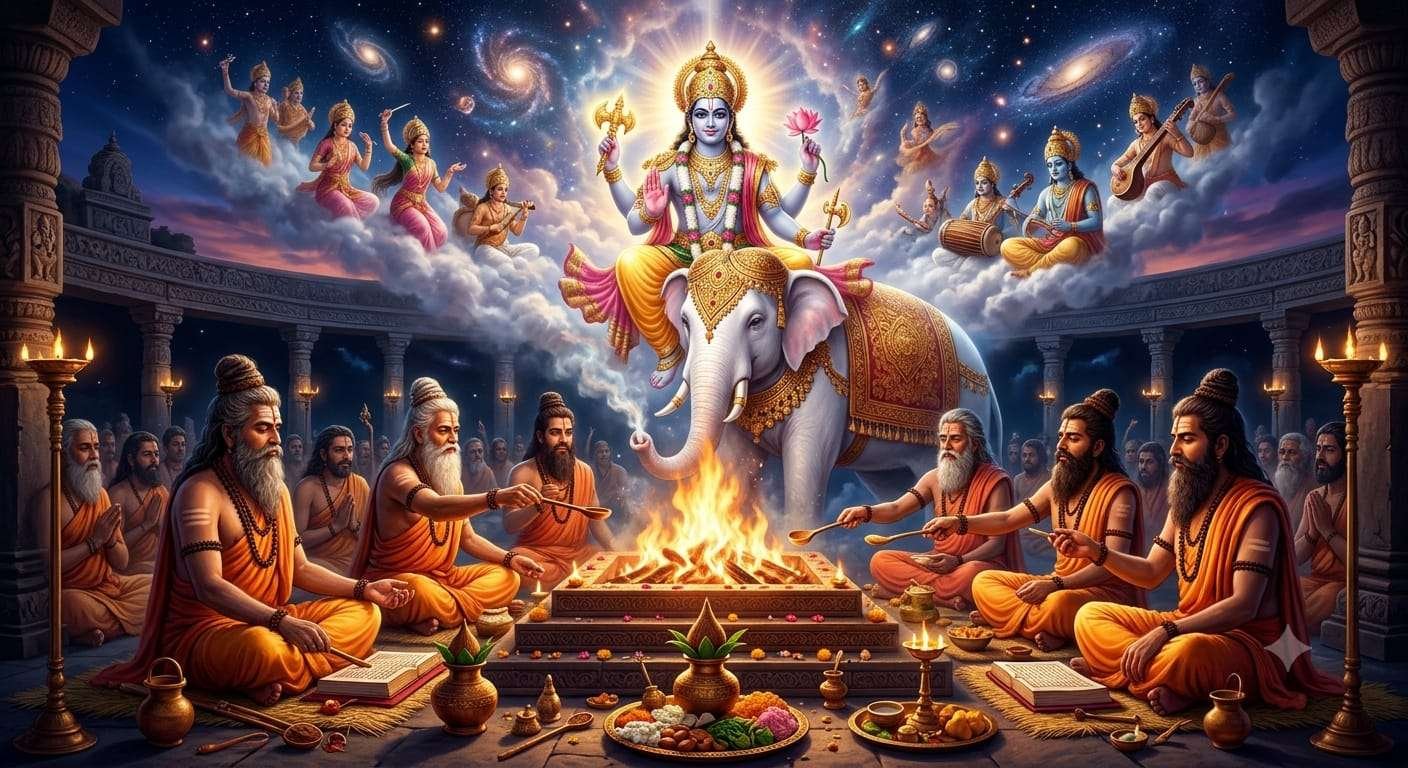
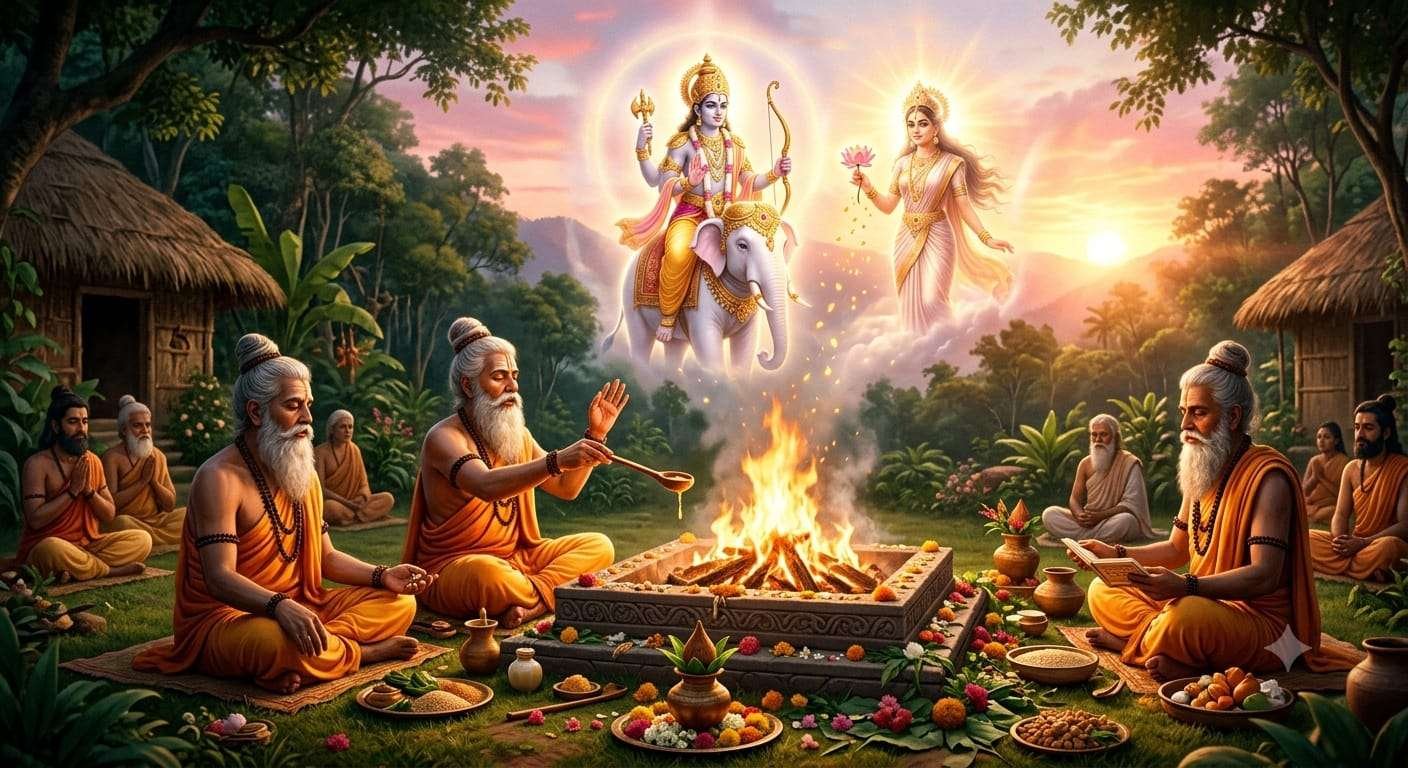
The hymns of Sage Vamadeva, composed in the Anustup and Gayathri chandas of the Rugvedic tradition, stand among the most profound expressions of early Vedic wisdom. They are not merely devotional compositions but grand reflections on the relationship between divine power, cosmic harmony, and human endeavor. Every invocation celebrates Indra as the supreme guardian of Rta, the eternal cosmic order, while Usha, the radiant daughter of heaven, symbolizes the awakening of life, consciousness, and the rhythmic unfolding of creation. Together, these hymns reveal the Vedic vision in which nature, morality, and spirituality exist in perfect unity.
Vamadeva extols Indra, the destroyer of Vruthra, as the greatest among the gods, beyond comparison in glory and strength. His fame fills every region of the universe, just as the wheel of a swiftly moving chariot travels without obstruction. Likewise, people naturally follow Indra because his virtues, courage, and benevolence are universally recognized. He is celebrated not merely for physical might but for wisdom, leadership, and the unwavering protection he extends to all who uphold righteousness.
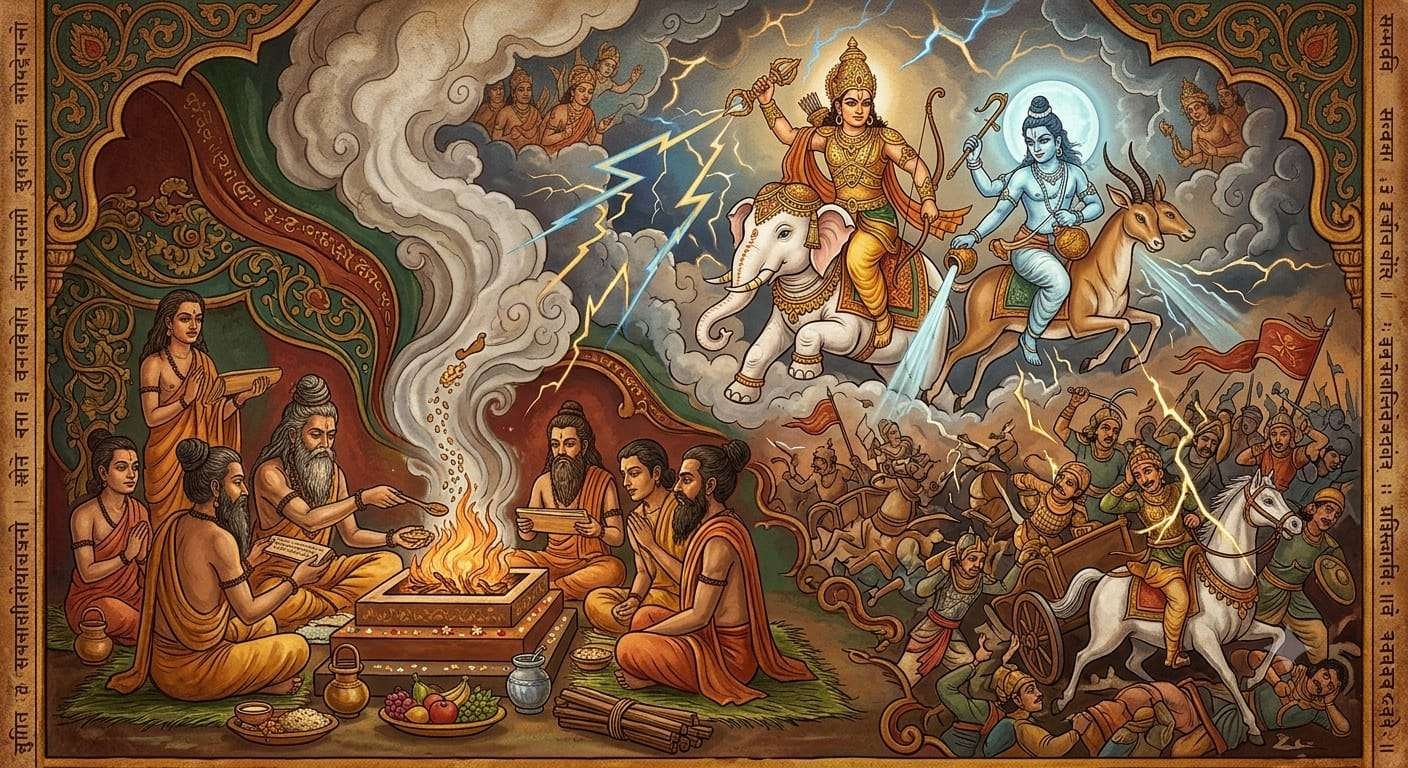
The celestial hosts, longing for victory over the powers of darkness, sought the support of Indra before entering battle against the demon armies. Responding to their call, Indra fought relentlessly without pause through day and night until the hostile forces were completely subdued. Spiritually, this uninterrupted battle represents the perpetual struggle between truth and falsehood, knowledge and ignorance. From a scientific perspective, it symbolizes the continuous operation of natural laws that preserve balance by overcoming forces that threaten harmony.
To protect the valiant warrior Kutsa and his companions, Indra removed the wheel of Surya’s chariot. Though dramatic in appearance, this episode illustrates the supreme authority of cosmic intelligence over celestial movements whenever righteousness demands intervention. It reflects the Vedic understanding that even the orderly motions of heavenly bodies exist within a greater universal purpose governed by divine wisdom.
Indra single-handedly confronted the demon hosts that tormented the celestial beings. He destroyed the violent forces that spread fear and disorder throughout the worlds. During the conflict concerning Yetasu, Indra appeared to oppose Surya, yet his purpose remained the preservation of cosmic justice and the protection of those deserving divine grace. Such narratives reveal that the preservation of universal order occasionally requires actions that transcend ordinary perception.
When profound darkness enveloped the worlds, Indra dispelled it with irresistible power. He then slew Vruthra, the mighty son of Danu, across the vast expanses of space. Darkness in the Vedic sense signifies ignorance, confusion, drought, and stagnation, while light represents knowledge, vitality, and liberation. Scientifically, this imagery resonates with the transition from disorder to order, from obscurity to illumination, reflecting the natural processes through which energy restores equilibrium within the universe.
The hymns proclaim that Indra perfected his strength through disciplined action and purposeful resolve. When destructive tendencies threatened the divine order, he confronted even Usha, the daughter of heaven. The breaking of Usha’s chariot and her frightened departure from the battlefield symbolize the temporary withdrawal of dawn before overwhelming cosmic forces. Her shattered chariot fell near the river Vipasa, after which she journeyed to distant regions. Rather than diminishing Usha’s sanctity, this event illustrates the dynamic interaction between natural phenomena, where every force has its appointed time and function within the grand design of creation.
Indra established the flowing rivers across the earth through his wisdom and power. As the giver of rain, he nourished the land, destroyed the strongholds of Sushnu, and captured his wealth. These verses celebrate water as the foundation of life and prosperity. In scientific understanding, the Vedic seers recognized the indispensable relationship between rainfall, rivers, agriculture, and civilization. Indra thus becomes the divine embodiment of the hydrological cycle that sustains all living beings.
Displaying incomparable valor, Indra dragged the demon Sambara, the son of Kulithara, across the mountains before slaying him. He also destroyed the formidable demon Virchi, who dwelt within a fortified fourfold structure guarded by thousands of warriors. These victories symbolize the triumph of disciplined intelligence over deeply entrenched forces of ignorance and oppression. The fortified cities represent the many layers of resistance that truth must overcome before righteousness can prevail.
The mighty Satha Kratu Indra granted Puravruthu, the son of Agru, the privilege of participating in the chanting of sacred hymns. This divine approval signifies that spiritual knowledge is earned through merit, devotion, and purity rather than birth alone. The hymns further recall that the famous princes Yadu and Turvasu, once rendered ineligible for kingship by the curse of Yayati, regained royal dignity through the grace of Indra. Divine compassion thus becomes a force capable of restoring honor and rightful destiny when virtue is sincerely embraced.
Indra also destroyed the unrighteous kings Arna and Chitraradha, who ruled beyond the river Sarayu. His actions demonstrate that political authority must always remain subordinate to moral responsibility. Kingship in the Vedic vision was never an absolute privilege but a sacred trust founded upon justice, compassion, and the protection of society.
The slayer of Vruthra extended his grace even to those abandoned by their own relatives. The blind received sight, the lame regained the ability to walk, and the helpless found protection through his compassion. These blessings illustrate that divine power is fulfilled not merely in conquest but in mercy. The Vedic ideal teaches that true greatness lies in uplifting the weak and restoring dignity to those burdened by suffering.
Indra bestowed upon Divodasa the hundred cities that had belonged to Sambara, rewarding steadfast devotion and righteous conduct. For Dadhichi, he destroyed thirty thousand demons through his own unmatched strength. These episodes glorify the alliance between divine assistance and human sacrifice, emphasizing that courage, faith, and selflessness together become irresistible forces in the establishment of justice.
The hymns conclude by praising Indra as the unconquerable lord of strength, the protector of cows, the guardian of prosperity, and the benefactor of all patrons without distinction. Having perfected his strength beyond challenge, no adversary can trouble him at any time. Finally, the sage invokes Aryama, Pusha, and Bhaga to offer delightful wealth to Indra, acknowledging the harmonious cooperation of the Vedic deities in sustaining prosperity, righteousness, nourishment, and universal well-being. Through these magnificent hymns, Sage Vamadeva presents a timeless vision in which spiritual insight, ethical leadership, natural forces, and rational observation merge into one majestic philosophy, inspiring humanity to seek wisdom, courage, compassion, and harmony with the eternal laws that govern the universe.