


Ganeshbal Temple, also known as Ganesh Asthapan, is located in Hanad village near Chowalgam in Kulgam District of South Kashmir, Jammu & Kashmir. The shrine is situated amidst the beautiful landscapes of the Kashmir Valley, close to the Nand River and a small stream known as Doolrad. The peaceful natural surroundings add to the spiritual atmosphere of this sacred place.
The exact age of the shrine is not known, but local traditions indicate that it has been a revered place of worship for several centuries. The temple has been associated with generations of Kashmiri Hindu families and remains one of the few ancient Ganapati shrines in the Kashmir Valley.
The presiding deity is Lord Ganesha, worshipped as Vighnaharta, the remover of obstacles and the bestower of wisdom, prosperity, and success. Devotees visit the shrine to seek blessings before beginning important tasks, new ventures, and auspicious ceremonies.
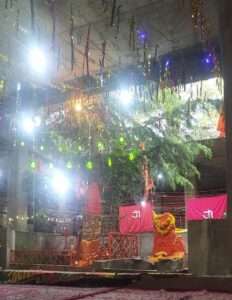
Ganeshbal Temple is unique because it was originally a natural shrine rather than a conventional temple with a stone idol. The focal point of worship was a massive sacred Elm tree, locally known as Brunn, which devotees regarded as a divine manifestation of Lord Ganesha.
Beneath the sacred tree flowed a hidden spring that was considered highly holy. Devotees offered milk, water, flowers, sweets, and traditional Kashmiri offerings into the spring as an act of worship. Even after the ancient tree deteriorated with age, the sanctity of the site continued, and a Himalayan Blue Pine was planted at the same sacred spot to preserve the tradition.
The shrine complex also contains the Samadhi of Dandi Swami, a revered saint who is believed to have performed intense penance here. The simplicity of the shrine and its close connection with nature make it one of the most distinctive Ganapati pilgrimage sites in India.
According to local tradition, the sacredness of Ganeshbal dates back to ancient times when a gigantic Brunn tree stood at this location. The villagers believed that the tree possessed divine powers and embodied the presence of Lord Ganesha himself.
A mysterious spring flowed beneath the roots of the tree. Devotees noticed that offerings made at the shrine would disappear into the spring below, strengthening their faith that Lord Ganesha was personally accepting their prayers and offerings. Over time, the place became a major center of worship for people seeking relief from difficulties and obstacles.
The shrine gradually came to be known as Ganeshbal, meaning the sacred abode of Lord Ganesha. Generations of devotees worshipped here, praying for success, prosperity, and protection. The sacred tree was regularly adorned with vermilion and revered as a living manifestation of Ganapati.
Another important tradition associated with the shrine concerns Dandi Swami, a saint who performed severe austerities and meditation at this sacred spot. His spiritual presence further enhanced the importance of Ganeshbal, and his samadhi continues to be venerated by pilgrims.
Ganeshbal is also remembered as a remarkable symbol of communal harmony. Throughout its history, people from different communities respected the shrine and helped preserve its sanctity. Even during difficult periods in Kashmir’s history, the temple remained a place of mutual respect and shared cultural heritage.
Local tradition further states that the famous Kashmiri poet Lal Laxman Razdan received divine inspiration after spending a night in meditation at Ganeshbal, adding another layer of spiritual significance to the shrine.
The most important festival celebrated at Ganeshbal Temple is Ganesh Chaturdashi, locally known as Gan Choudah, observed during the bright fortnight of Vaishakha. Thousands of devotees gather at the shrine to participate in special havans, yajnas, prayers, and community worship. The celebrations conclude with the distribution of prasadam on Buddha Purnima. Ganesh Chaturthi and other Ganapati-related observances are also celebrated with great devotion by local devotees and visiting pilgrims.

