



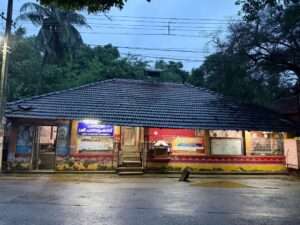
Pampady Pambum Kavu, also known as Sree Nagaraja Kshetram, is situated at East Pampady, near Thiruvilwamala, in Thrissur district of Kerala. The temple is located close to the Nila (Bharathappuzha) River. Pampady Pambum Kavu preserves an ancient Naga worship tradition, although the exact age of the present shrine is not known.
The principal deities are Sri Nagaraja and Nagakanya. A remarkable feature of the shrine is that they are not represented by conventional sculpted idols. Instead, they are worshipped in the form of Swayambhu serpent mounds, believed by devotees to have manifested naturally from the earth.
These sacred serpent formations are situated in an area known as Sivakara, regarded as the abode of Nagaraja and Nagakanya. The shrine is also traditionally associated with Rishiswara, representing the spiritual presence of the Maharishi connected with the origin of the worship here.
Pampady Pambum Kavu is quite different from the grand temples of Kerala with towering gopurams and elaborate stone structures. Its most important feature is the Sarpa Kavu or sacred serpent grove itself.
The natural surroundings, trees and serpent mounds form an integral part of the sacred space. The absence of conventional idols for the principal deities gives the shrine its distinctive character. The worship centres around the naturally formed serpent mounds preserved within the sacred grove, reflecting Kerala’s traditional form of Naga worship.📜 History
The history of Pampady Pambum Kavu is closely associated with Kerala’s long-standing tradition of Sarpa Kavu worship, in which serpent deities were revered as protectors of the land and associated with fertility, water and the well-being of families.
The temple’s traditional account connects the origin of Naga worship here with Vasuki, the King of the Nagas. It also speaks of a Maharishi who meditated near the Nila River and worshipped both Lord Shiva and Nagaraja.
The tradition was later continued by Kooliyil Narayanan Nair and his wife. His wife, affectionately remembered as Muthassi, devoted her life to Nagaraja worship and to serving devotees. Even after her death, the traditional worship continues through her successors.
According to the Sthalapurana, after Lord Parashurama reclaimed Kerala from the sea, he wished to make the newly created land suitable for settlement. However, the land was believed to be troubled by poisonous snakes.
Parashurama therefore sought the help of Lord Shiva, who advised him to worship Vasuki, the King of the Nagas. Parashurama performed penance and worshipped Vasuki. Pleased with his devotion, Vasuki is believed to have agreed to protect the land, provided that the Nagas were respected and worshipped.
Parashurama is then said to have entrusted the worship of Vasuki and the Naga community to a Maharishi who was meditating near the Nila River. The Maharishi worshipped Lord Shiva and Nagaraja with equal devotion.
After the Maharishi’s lifetime, serpent mounds are traditionally believed to have appeared at the place where he had meditated and worshipped. These naturally formed mounds came to be revered as the sacred abode of Nagaraja and Nagakanya, while the Maharishi came to be remembered as Rishiswara.
The traditional story also connects the name Pampady with the belief that the Naga deity danced in joy at the place. Thus, Pampady is traditionally interpreted as the place where the serpent danced. This is part of the Sthalapurana and should be understood as traditional belief.
The principal annual celebration is Ayilya Mahotsavam, while Ayilya (Ashlesha) Pooja is performed every month on the Ayilyam Nakshatra. Other observances include Maha Shivaratri, Vishukkani, Illam Nira, Thripputhari and Vidyarambham. Traditional Naga rituals such as Noorum Paalum, Sarpabali and Maha Payasa Homam are also performed.
Naga Chaturthi is especially significant at Pampady Pambum Kavu because the shrine preserves the traditional Kerala practice of worshipping Nagaraja and Nagakanya in a sacred serpent grove.
Nagas are traditionally associated with protection, fertility, water and the forces of nature. The shrine reminds us of the ancient Indian tradition of respecting nature as sacred.


