
New Delhi: The DMK’s actions in Parliament during the Monsoon Session have highlighted growing differences within the Opposition, with the party repeatedly taking a different approach from the Congress-led bloc on key issues.
The latest instance came in the Rajya Sabha on Thursday when the DMK chose not to join the Congress and several other Opposition parties in walking out during voting on the Public Examinations (Prevention of Unfair Means) Amendment Bill, 2026.
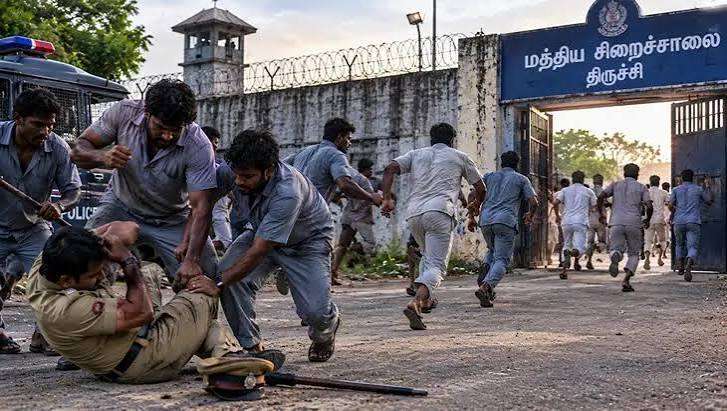
The walkout was staged to protest the Centre’s handling of the alleged NEET paper leak and the July 20 police crackdown on students marching towards Parliament. While the Congress and its allies boycotted the voting, the DMK stayed back in the House.
A day earlier in the Lok Sabha, DMK MP Dayanidhi Maran criticised the government’s handling of examination reforms during the debate on the bill. However, unlike the Congress and several Opposition leaders, he did not directly target Union Home Minister Amit Shah over the alleged police excesses against student protesters.
The DMK also took a different parliamentary route on Thursday by becoming the only Opposition party to participate in the discussion on the Prevention of Insults to National Honor (Amendment) Bill in the Lok Sabha.
However, the party opposed the legislation during the debate. DMK MPs A Raja and Kanimozhi argued that the bill was against India’s secular values and alleged that it reflected the Hindutva agenda.
These developments come after the DMK formally exited the INDIA bloc following the Congress-TVK alliance and the formation of the government in Tamil Nadu. Ahead of the Monsoon Session, the Stalin-led party also requested and received separate seating arrangements in Parliament, signalling its organisational distance from the Congress-led alliance.
DMK explains why it didn’t walk out
The DMK has rejected suggestions that its decisions indicate support for the government.
Responding to questions on why the party did not join the Opposition walkout, DMK MP Tiruchi Siva said the party wanted the government to answer the issues it had raised instead of leaving the House.
“We did not walk out. The DMK, DMDK, and some other parties were also present in the House. We tried to move some amendments, but the reply was addressed only to the Leader of the Opposition in the Rajya Sabha. We are completely unconvinced and dissatisfied with the response, and, of course, with the bill itself. The firm stance of the DMK, along with our alliance partners and many others, comes down to a single point: to abolish NEET,” Siva told reporters.
Why the DMK’s numbers matter
The timing of the DMK’s independent stand is significant because the party’s strength in Parliament has increased in recent months.
After the breakup of the Trinamool Congress parliamentary party, the DMK, with 22 Lok Sabha MPs, has become the third-largest Opposition party in the Lower House. In the Rajya Sabha, its eight MPs make it the second-largest Opposition party.
Its numbers could become crucial if the government makes another attempt to pass the Constitution (One Hundred and Thirty First Amendment) Bill, 2026, linked to the implementation of 33 per cent reservation for women in Parliament and state Assemblies.
The accompanying Delimitation Bill, which proposes redrawing parliamentary and Assembly constituencies before implementing women’s reservation, was introduced in the previous session.
The Constitution Amendment Bill failed to secure the required two-thirds majority in the Lok Sabha, with 298 MPs voting in favour and 230 against.
Since then, the NDA’s numbers have improved slightly. Its strength has risen to 299 after seven Shiv Sena (UBT) MPs merged with the Eknath Shinde-led Shiv Sena. However, the alliance is still well short of the 360 votes needed to pass a constitutional amendment.
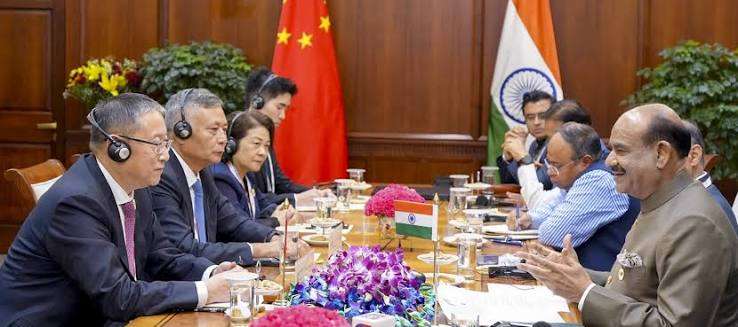
Meanwhile, 20 Trinamool Congress MPs have joined the Nationalist Citizens Party of India (NCPI). Their proposed merger is awaiting approval from Lok Sabha Speaker Om Birla. If cleared, the NDA’s strength would increase to 319 – still 41 short of the two-thirds majority required to pass the constitutional amendment.