MS Shanker
There are moments in international diplomacy when facts speak louder than political rhetoric. The adoption of the New Delhi Declaration at the 18th BRICS Summit is one such moment—and for the Congress party, particularly senior leader P. Chidambaram, it should be an uncomfortable reality check.
Only days before Bharat hosted the summit, Chidambaram questioned what “tangible benefits” the country had derived from BRICS, SCO, G20 and QUAD, arguing that recent multilateral meetings had produced little concrete outcome. His question was legitimate as a matter of political scrutiny. But the timing—and the dismissive tone—revealed something far more troubling: an inability to recognise that diplomacy cannot always be measured through an immediate cheque, contract or headline announcement.
Then came the New Delhi Declaration.
Eleven BRICS nations, representing a formidable share of the world’s population and economic weight, managed to arrive at a consensus despite profound differences among themselves. That itself is no small diplomatic achievement. The declaration reinforced cooperation against terrorism, including terrorism financing and safe havens, while advancing positions on global governance reform, trade, economic cooperation and greater representation for the Global South.
For Bharat, the significance goes beyond the document.
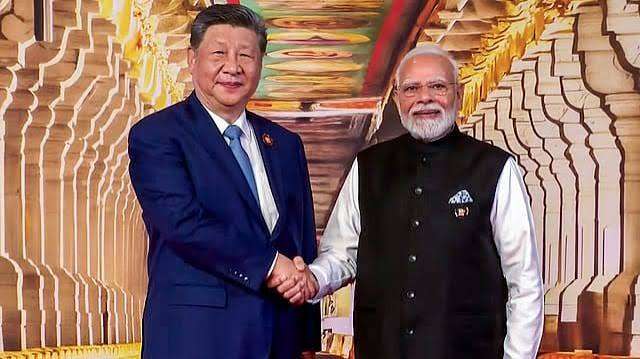
The real achievement is that New Delhi demonstrated its ability to bring countries with competing strategic interests to one table and still produce a common position. Consider the contradictions: China and Bharat have unresolved strategic differences; Russia is under enormous Western pressure; Iran and the UAE have sharply divergent interests amid the West Asian conflict; and the United States remains deeply consequential to the strategic calculations of several BRICS members.
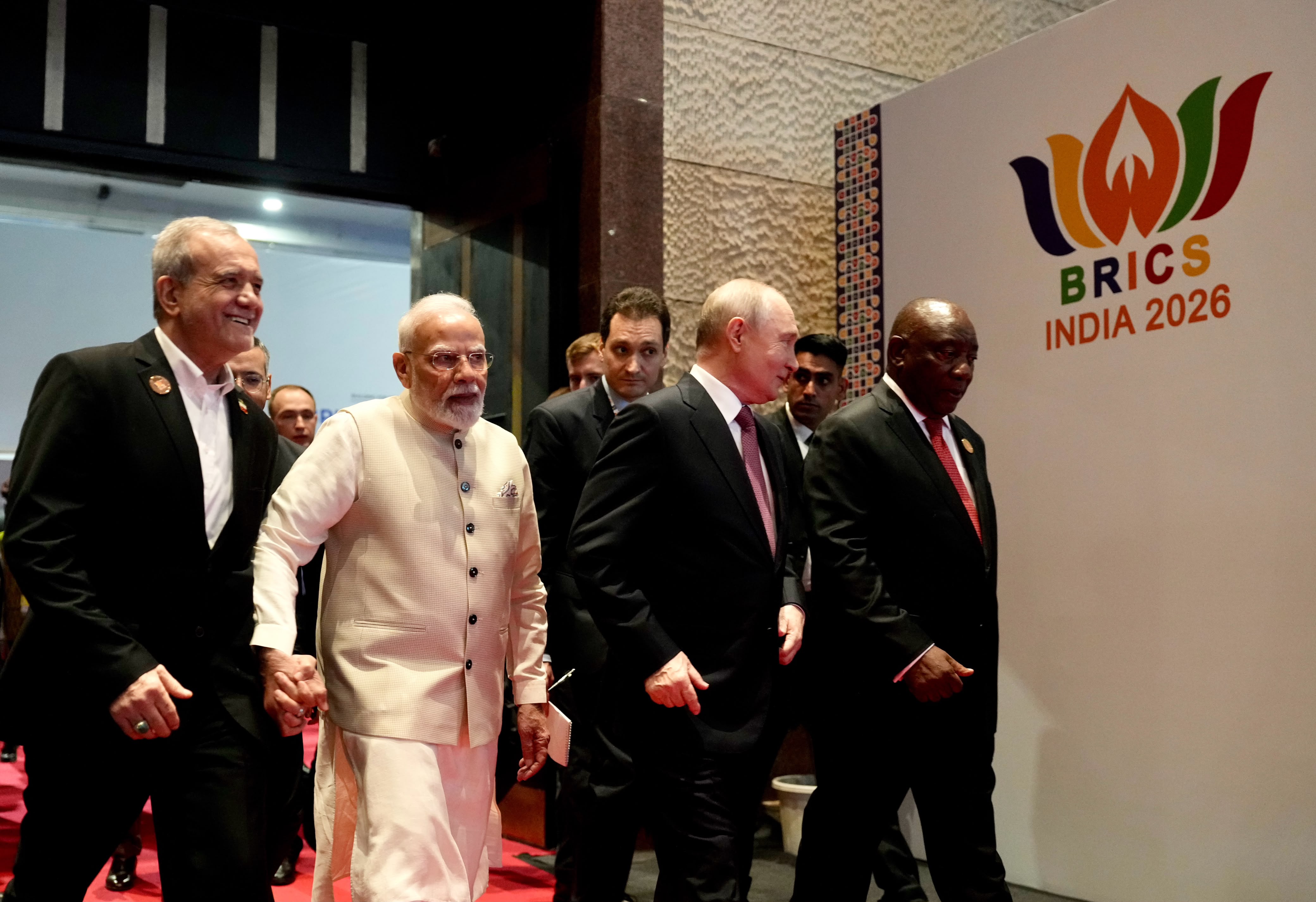
Yet they came together in New Delhi.
That is precisely why Chidambaram’s “what did Bharat gain?” argument looks increasingly shallow.
Interestingly, Congress itself appears to have discovered this contradiction. While Chidambaram questioned the value of BRICS, Congress MP Shashi Tharoor described hosting the summit as a matter of “great prestige” and pointed to Bharat’s “diplomatic convening power”.
So which Congress should the country believe?
The Congress leadership cannot simultaneously dismiss multilateral diplomacy as producing no tangible benefits and celebrate the same platform as proof of Bharat’s diplomatic stature. This is not sophisticated foreign-policy criticism. It is political opportunism dressed up as analysis.
In my view, the most important message from New Delhi is not directed at Washington, Beijing or Moscow alone. It is directed at those within Bharat who still refuse to acknowledge the country’s expanding diplomatic space.

The Pahalgam terror attack provides another important context. BRICS had already condemned the April 2025 attack in strong terms and called for action against cross-border terrorism, terror financing and safe havens. The fact that such language has now become part of the continuing BRICS consensus is significant, particularly because China remains a member of the grouping.
Equally important is the economic agenda. BRICS is increasingly discussing greater use of national currencies, payment mechanisms and reforms of international financial institutions. These are not overnight achievements, but they represent an attempt by emerging economies to acquire greater strategic autonomy in a changing global economic order.

And that is where the Congress argument falls apart.
Diplomacy is not a cricket scoreboard where every meeting produces an immediate run. Influence is accumulated—through relationships, convening power, negotiations and the ability to shape the final language of international declarations.
Bharat under Prime Minister Narendra Modi is increasingly being invited, listened to and relied upon precisely because it can speak to multiple sides without becoming anybody’s camp follower.
That is the diplomatic reality.
Congress is perfectly entitled to question the government. Indeed, a healthy democracy needs a vigilant Opposition. But criticism should strengthen Bharat’s negotiating position, not undermine it for partisan gain.
Chidambaram may have asked what Bharat gets from BRICS.
The New Delhi Declaration has supplied part of the answer.
Bharat gets a seat at the table, the ability to bring rivals together, greater voice for the Global South, stronger counter-terrorism language and an expanding role in shaping the emerging world order.
For a Congress that once claimed to understand international diplomacy, failing to recognise that is not merely political blindness.
It is political FOMO—watching Bharat rise while desperately searching for reasons to pretend it isn’t happening.