
Lakshmanrao Upadhyayula
Among the luminous hymns of the Rigveda, the prayer of the sage Vāmadeva to the divine artisans, the Ribhus, stands as a magnificent tribute to skill, devotion, and the transformative power of knowledge. Composed in the majestic Triṣṭubh metre, the hymn celebrates the extraordinary accomplishments of the sons of Sudhanvan, whose intelligence, discipline, and flawless craftsmanship elevated them from gifted mortals to the rank of the gods. Their journey illustrates one of the noblest ideals of Vedic thought—that excellence achieved through righteous action, dedication, and wisdom leads to immortality.
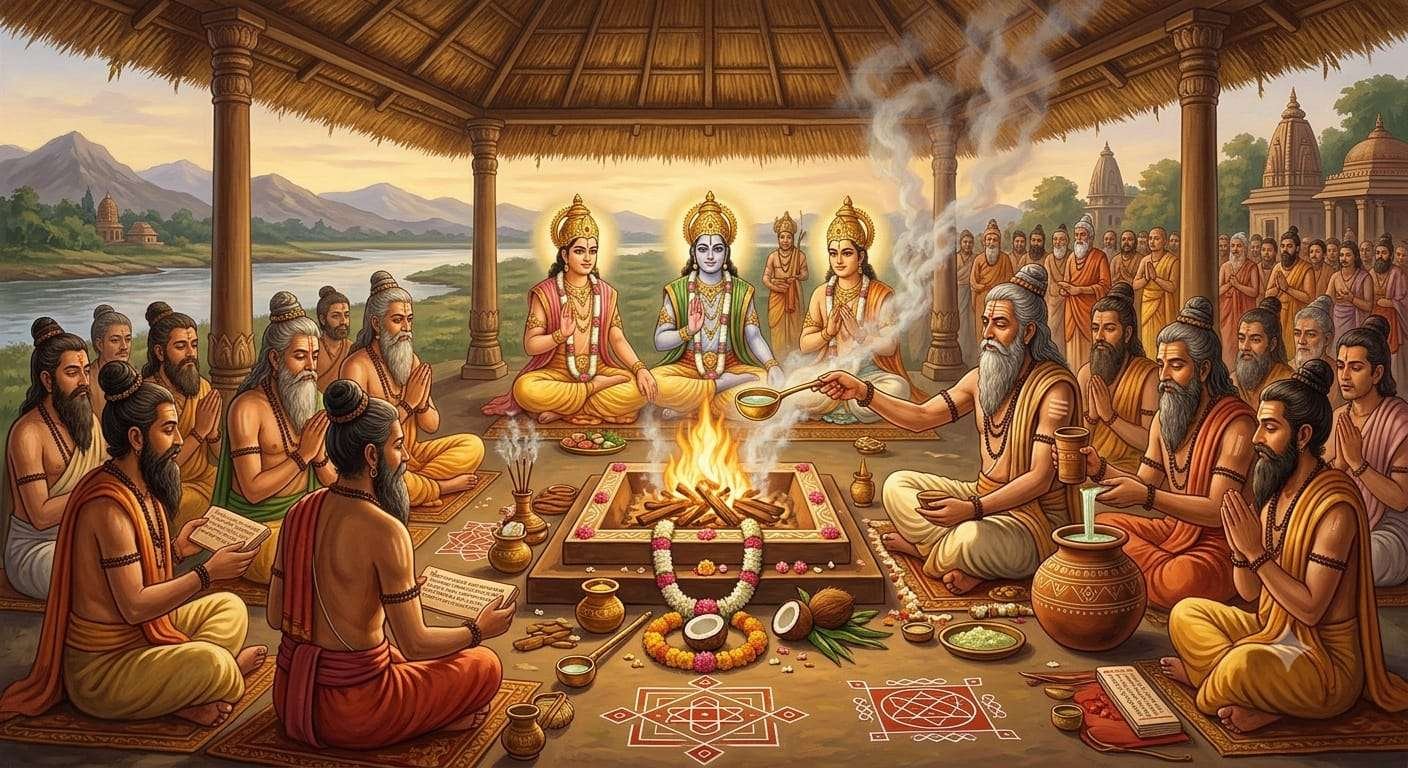
The sage warmly invites the Ribhus to participate in the third Soma ritual of the day. Having been offered first to Indra, the generous bestower of precious treasures, the purified Soma now awaits these divine craftsmen. This invitation is not merely ceremonial. It is an acknowledgment that every sacred ritual reaches perfection only when wisdom, creativity, and disciplined effort unite with divine grace. The Soma offering symbolizes the sharing of spiritual energy among those who uphold cosmic harmony through their noble deeds.
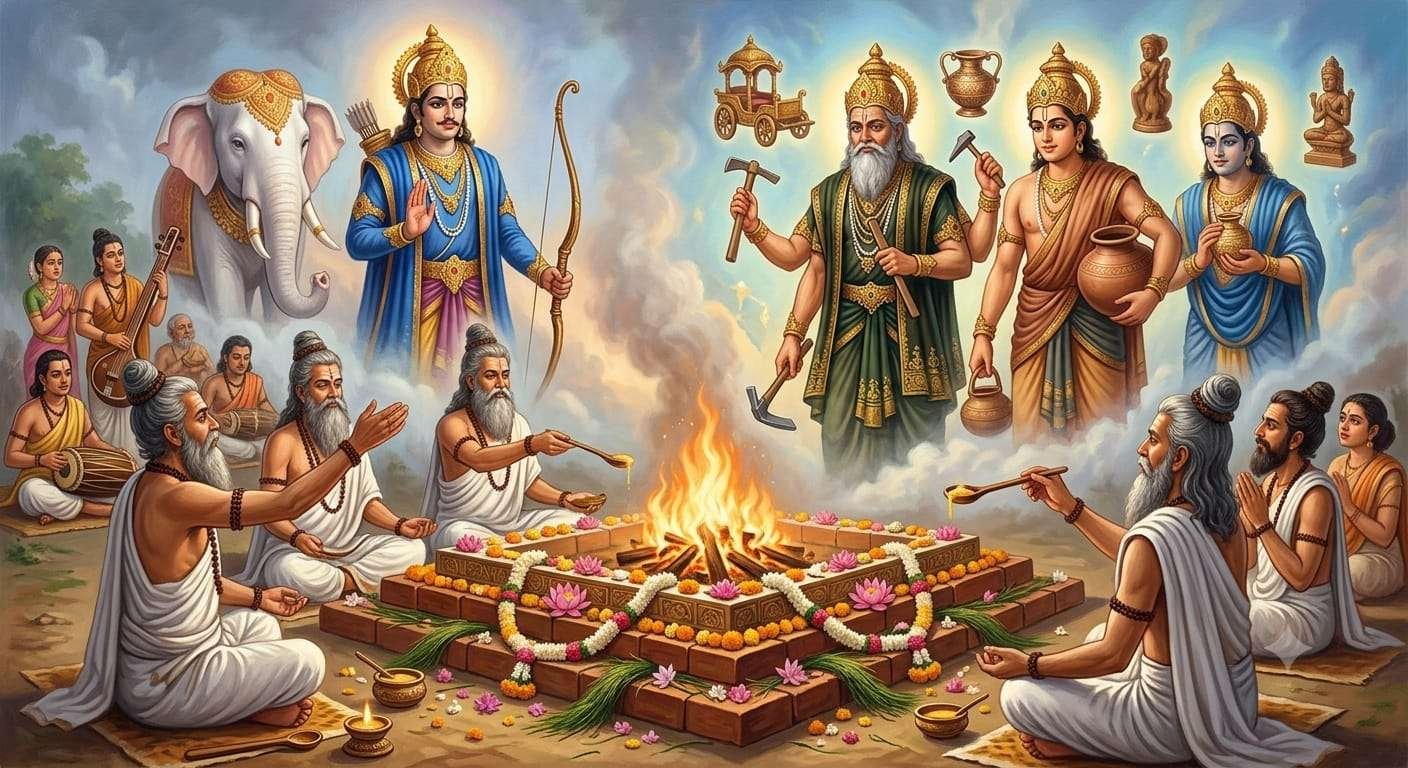
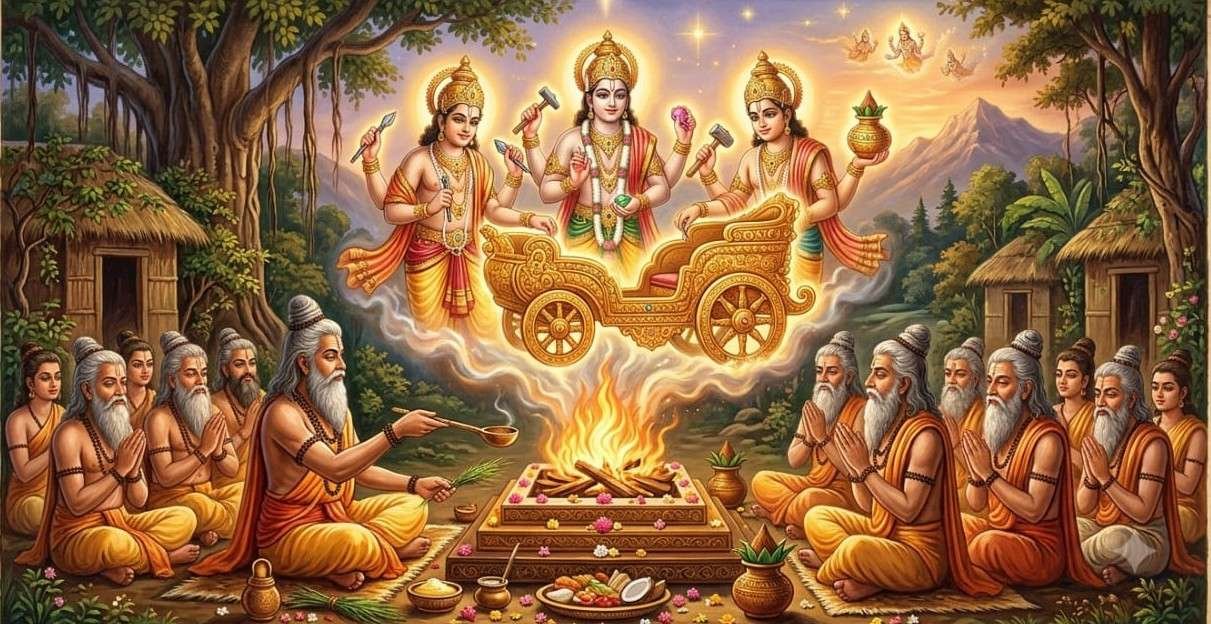
The hymn glorifies the most celebrated achievement of the Ribhus—their astonishing transformation of a single sacred vessel into four perfectly crafted vessels. This feat became the eternal symbol of their unmatched skill and precision. Beyond its literal meaning, the act reflects the Vedic understanding that intelligence can multiply resources without diminishing their essence. It teaches that true creativity lies not in creating from abundance but in discovering greater possibilities within what already exists. The episode also mirrors a scientific temperament, where careful observation, innovation, and mastery over materials lead to remarkable advancements while preserving sacred purpose.
Having partaken of the purified Soma within the sanctified precincts of the yajña, the Ribhus are praised for their unwavering commitment to divine service. The sage prays that, just as they are generous donors of celestial riches, they may bless humanity with prosperity, strength, and abundance. Wealth in the Vedic vision extends beyond material possessions. It includes wisdom, noble character, courage, good health, harmonious families, and enduring spiritual fulfilment.
The hymn beautifully recalls the affectionate dialogue between the Ribhus and Agni. After completing their sacred work, the Ribhus invoke Agni as their beloved friend and guide. Agni, in return, acknowledges them as masters of divine craftsmanship and invites them to travel the eternal path of immortality. This exchange reveals that sincere effort performed with purity earns not only praise but also divine companionship. Agni, the sacred fire, symbolizes the transforming power that converts human endeavour into eternal merit.
The rejuvenation of their aged parents is another profound achievement attributed to the Ribhus. Through their sacred knowledge and ritual excellence, they restored youth and vitality to those who had grown old. This remarkable episode symbolizes renewal, regeneration, and the timeless hope that wisdom can overcome decline. In philosophical terms, it signifies the perpetual renewal of life, values, and civilization through knowledge passed faithfully from one generation to another.
The hymn further praises the Ribhus for fashioning the divine drinking vessel for the gods and for preparing the swift twin horses of Indra. These acts symbolize the refinement of both physical instruments and dynamic energies. The horses represent strength, movement, and purposeful action, while the sacred vessel represents disciplined receptivity to divine knowledge. Together they express the harmonious union of power and wisdom, action and contemplation.
As the evening oblations are prepared, the patron lovingly offers the most delightful Soma to the Ribhus. The prayer requests them to accept the offering with satisfaction, adorn themselves with the garment of contentment, and bless the sacrificer with numerous worthy children, abundant wealth, flourishing cattle, and lasting prosperity. These blessings reflect the Vedic aspiration for balanced living, where spiritual merit naturally supports social welfare, family continuity, and economic well-being.
Indra, the mighty rider of the twin steeds Hari, is invited to enjoy the Soma offered during the morning and midday sacrifices. During the evening ritual, however, he is lovingly requested to partake of the sacred drink together with the Ribhus, who have become his honoured companions through their virtuous deeds. Their companionship with Indra signifies that greatness is earned through merit rather than birth alone. Those who dedicate their talents to the welfare of creation become worthy companions of the highest divine powers.
The concluding prayer proclaims that the Ribhus attained divinity through righteous actions, disciplined craftsmanship, and unwavering devotion. They are requested to remain established in the heavens as embodiments of peace while showering humanity with prosperity and noble descendants. Their immortal hands continue to adorn the sacred sacrifice with beauty and perfection, transforming every offering into an expression of divine creativity. As the third Soma ritual reaches its sacred culmination, the joyful Indra is invited to drink wholeheartedly, while the Ribhus illuminate the yajña with their eternal artistry. The hymn thus stands as a timeless celebration of innovation guided by ethics, craftsmanship inspired by spirituality, and the profound Vedic conviction that disciplined knowledge, dedicated service, and creative excellence elevate human life to the realm of the divine.