Lakshmanrao Upadhyayula
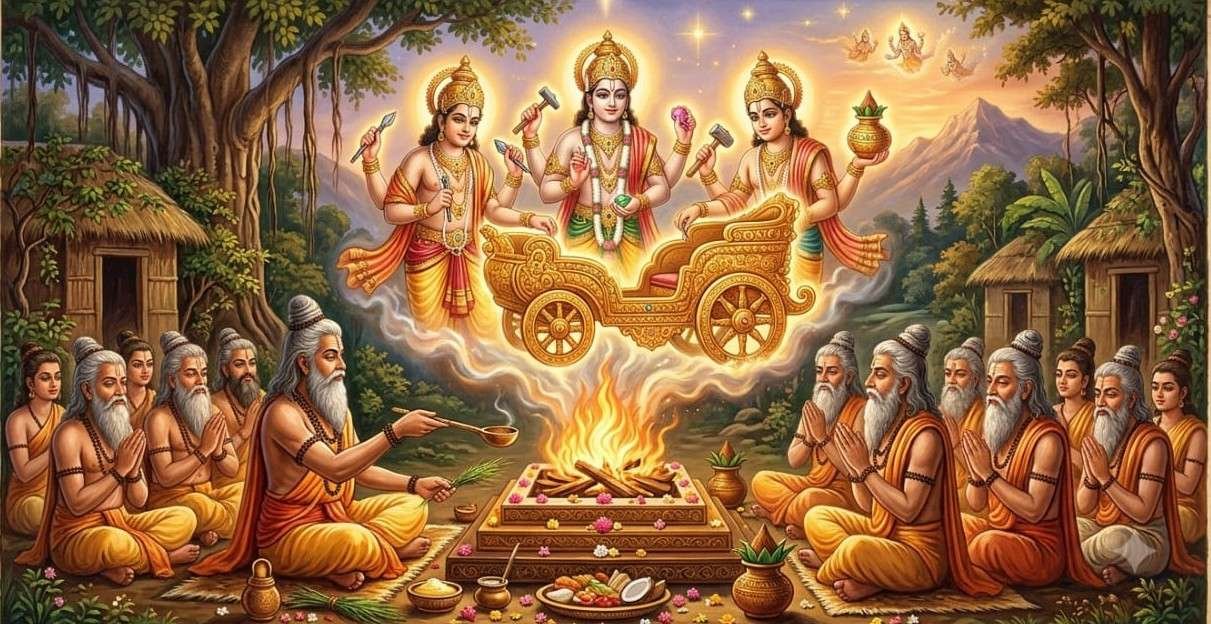
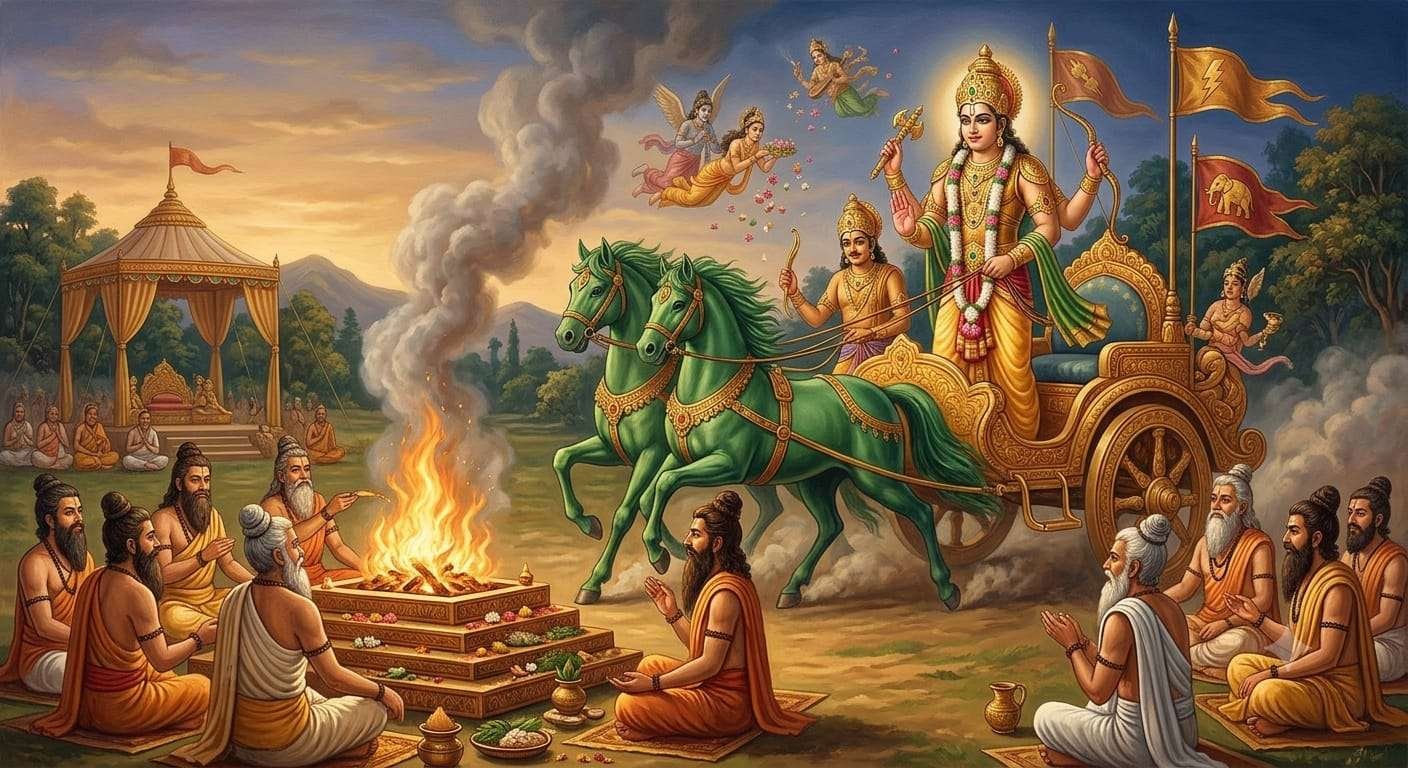
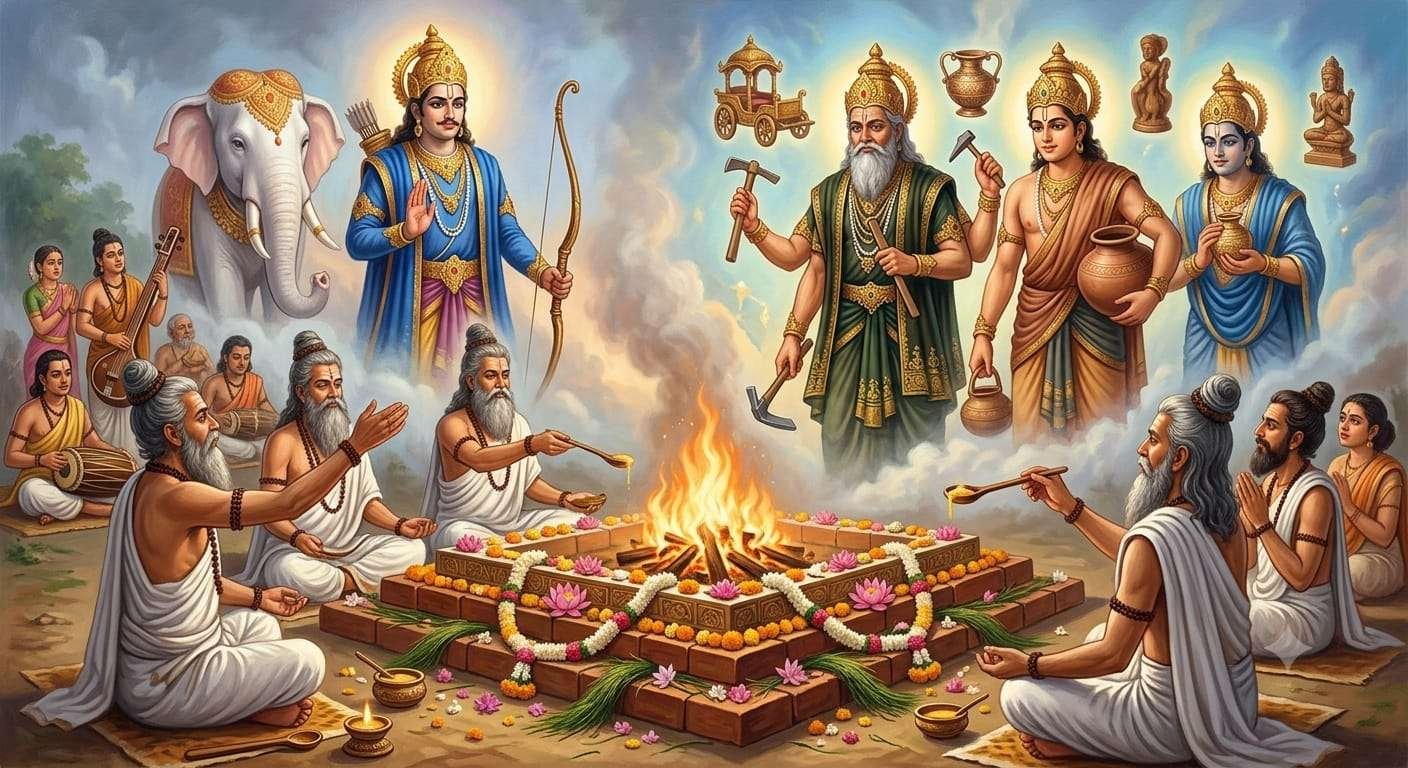
Sage Vāmadeva composed this profound hymn in the Triṣṭubh metre of the Rigveda, invoking the divine artisans Ribhu, Vibhu, Vāja, together with Indra. The hymn is a heartfelt invitation requesting these radiant deities to enter the sacred enclosure of the yajña with affection and goodwill. They are welcomed not merely as celestial guests but as benefactors capable of bestowing priceless treasures, prosperity, wisdom, and divine grace upon the worshippers. Their presence sanctifies the sacrifice and transforms it into a meeting point between humanity and the divine.
The sage prays that Goddess Saraswati, the eternal deity of speech, wisdom, and inspired knowledge, may bless the sacrifice with eloquence and spiritual insight. Through her grace, the sacred chants attain perfect rhythm, clarity, and power. Soma, the divine elixir celebrated throughout the Rigveda, is not merely an intoxicating drink but the symbol of spiritual bliss, awakened consciousness, vitality, and immortal knowledge. Those who approach the yajña with purity of heart become worthy of experiencing the inner delight represented by Soma.
Among all Vedic deities, the Ribhus occupy a unique position because they were originally born as virtuous human beings. Through extraordinary intelligence, discipline, creativity, and righteous actions, they earned immortality and attained the status of gods. Their journey illustrates one of the loftiest ideals of Vedic philosophy—that divinity is achieved through excellence in thought, action, and selfless service rather than by birth. The hymn thus becomes an inspiring declaration of human potential and the limitless possibilities of spiritual evolution.
The Ribhus are repeatedly praised as discoverers of nourishment and providers of abundance. Their blessings extend beyond material wealth to include flourishing families, healthy descendants, cattle, food, shelter, and enduring prosperity. The Vedic vision never separates spiritual growth from social welfare. A prosperous household blessed with children, grandchildren, abundant harvests, and moral values is regarded as an expression of divine harmony. The riches sought in the hymn therefore symbolize both external prosperity and inner fulfilment.
The sage declares that the yajña has been especially dedicated to the Ribhus and requests them to arrive with radiant forms similar to those of noble human beings. This symbolism reflects the intimate relationship between humanity and the divine. The Ribhus are invited to accept the carefully prepared offerings of clarified butter and the perfectly purified Soma, becoming the foremost recipients of worship. Their acceptance signifies the successful completion of the sacred ritual and the reciprocal bond between sincere devotion and divine blessings.
One of the remarkable features of the hymn is its reference to the three Soma pressings performed during the day. The sage prays that the Ribhus may especially receive the offerings of the third pressing. Just as a mother cow instinctively returns to her calf at dusk, the Soma offering naturally reaches the deserving deities. This beautiful comparison illustrates the Vedic understanding that genuine devotion inevitably attracts divine grace, just as love draws living beings toward one another according to the laws of nature.
The Ribhus are also invoked together with Indra, Varuṇa, the Maruts, the Ādityas, and Savitṛ, demonstrating the harmonious cooperation among the Vedic deities. Indra is requested to participate in each stage of the sacrifice—first with the Maruts, then with the divine consorts, and finally with the Ribhus. This progression reflects the orderly structure of the Vedic ritual where cosmic powers work together to sustain universal order. Every deity represents a different manifestation of the same supreme reality functioning through nature and consciousness.
The extraordinary achievements of the Ribhus occupy a central place in the hymn. Through their unmatched craftsmanship they fashioned a magnificent chariot, perfected divine horses, restored youth to their aged parents, recreated the sacred cow, prepared invincible armour for the gods, and contributed to the harmonious separation of heaven and earth. These acts are not merely miraculous legends but symbolic representations of renewal, regeneration, technological excellence, creative engineering, and the intelligent application of knowledge for the welfare of creation. The Ribhus emerge as exemplars of innovation guided by righteousness.
Viewed from the perspective of scientific temperament, these descriptions reveal the Rigvedic admiration for observation, experimentation, precision, and creative problem-solving. The elevation of the Ribhus from humanity to divinity is achieved not through supernatural privilege but through exceptional skill, perseverance, and constructive achievement. Their stories encourage disciplined inquiry, technological advancement, craftsmanship, and the responsible use of intelligence. The hymn celebrates the human capacity to transform nature while remaining aligned with ethical and spiritual principles.
The Ribhus are acknowledged as the foremost drinkers of Soma and the possessors of countless herds of cattle and abundant nourishment. They are invoked as generous protectors capable of granting food security, stable homes, flourishing families, and inexhaustible prosperity. The cattle repeatedly mentioned in the Rigveda symbolize wealth, knowledge, productive resources, and the sustaining forces of civilization. Thus, the blessings sought extend far beyond personal gain to the collective prosperity of society.
In the concluding prayer, the sage earnestly requests the Ribhus not to depart from the sacrificial ground. They are assured that the worshippers neither weary them nor approach them with impurity. Instead, they seek lasting companionship with these benevolent deities, praying that the Ribhus, together with Indra, the Maruts, and the other divine powers, may generously bestow radiant wealth, protection, strength, wisdom, and lasting happiness. The hymn concludes with unwavering faith that sincere worship, noble conduct, and enlightened knowledge invite divine grace, transforming both the individual and society into reflections of cosmic harmony.