
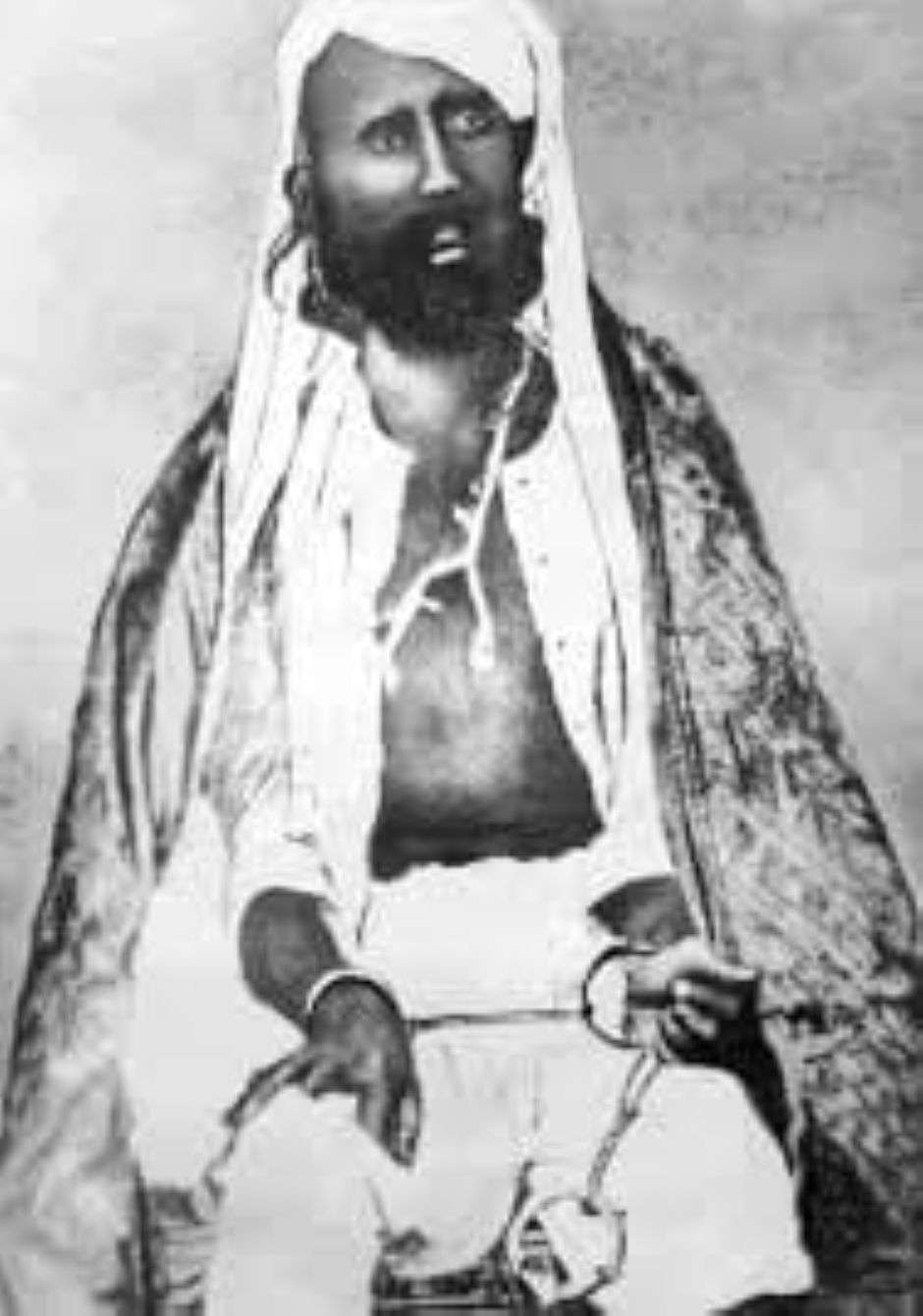
Unsung Heroes: Seth Amar Chand Banthia
MS Sparsha
History remembers the warriors who charged into battle with swords raised high. It remembers queens who died on horseback, generals who led rebellions, and kings who lost empires. But hidden behind every revolution are quieter figures — men who never wore armor, never commanded armies, yet changed the course of history with a single decision.
One such forgotten hero was Amar Chand Banthia — perhaps the most extraordinary financier of India’s First War of Independence in 1857.
He was not a king.
He was not a soldier.
He was a merchant.
Born in Bikaner, Banthia later moved to Gwalior, where his reputation for honesty, discipline, and astonishing mathematical precision earned him immense respect. In time, he was appointed the Nagar Seth — the chief treasurer of the Gwalior royal treasury under the Scindia kingdom. It was a position of enormous responsibility. He controlled one of the richest treasuries in Central India, wealth that the British depended upon to maintain military operations and keep loyal troops paid.
Then came 1858.
The flames of rebellion had spread across northern India. Rani Lakshmibai and Tantia Tope arrived in Gwalior after fierce battles against the British. Their soldiers were exhausted, starving, unpaid for months, and dangerously close to collapse. Meanwhile, Maharaja Jayajirao Scindia, unwilling to risk confrontation with the British Empire, had fled to Agra seeking British protection.
The treasury remained behind.
And the man guarding it was Amar Chand Banthia.
The Rani of Jhansi desperately needed funds to continue the resistance. Banthia understood the stakes immediately. Handing over royal wealth to anti-British rebels was not merely treason in British eyes — it was certain death. There would be no mercy, no trial worth mentioning, no escape.
Yet he chose the nation over survival.
According to historical accounts and local legends, Banthia did not merely donate a portion of the treasury. He opened the vaults entirely, allowing the rebel forces access to the immense reserves of Gwalior. The funds revived morale, paid soldiers, arranged supplies, and helped sustain the final phase of resistance against the British.
It was financial warfare against an empire.
Legend attributes to him a remarkable declaration: “This wealth belongs to the people and the nation. If it can help win our freedom, it has served its purpose.”
That one act transformed a merchant into a revolutionary.
The British eventually recaptured Gwalior. Their vengeance was swift and brutal. Banthia was arrested and publicly executed on June 16, 1858, in the crowded Sarafa Bazaar of Gwalior. He was hanged from a neem tree as a warning to others who might dare finance rebellion against the Empire.
But even death was not enough for the British.
Local accounts say his body was deliberately left hanging for three days to spread fear among the people. Instead, it created reverence. The marketplace became a place of silent mourning and resistance. Ordinary citizens began remembering the merchant who valued freedom above fortune.
In Rajasthan’s trading communities, Banthia soon became a legend.
At a time when many rulers were busy calculating political survival, this merchant was calculating the price of freedom — and he willingly paid it with his life. He shattered stereotypes surrounding traders and businessmen. He proved that patriotism was not limited to battlefields. A man with ledgers and keys could display as much courage as a man carrying a sword.
Today, Amar Chand Banthia is remembered in parts of Rajasthan and Madhya Pradesh as one of the earliest martyrs connected to the 1857 uprising, yet mainstream history barely mentions him. Perhaps that is because revolutions are easier to romanticize through cavalry charges than through accounting books and treasury keys.
But the truth remains uncomfortable and powerful: wars are not fought by courage alone. Resources, money, logistics, and sacrifice sustain them.
Seth Amar Chand Banthia understood that before most others did.
He died for a treasury that was not his, for a queen who was not his ruler, and for a nation that did not yet officially exist. In doing so, he proved that freedom is the only investment where returns are measured not in profits, but in sacrifice.