MS Sparsha
The unsung hero who protected India’s industrial dream
History remembers great industrialists. It celebrates visionary entrepreneurs who built factories, created jobs and transformed nations. But behind many celebrated success stories stand lesser-known figures whose timely interventions prevented disaster and quietly altered the course of history.
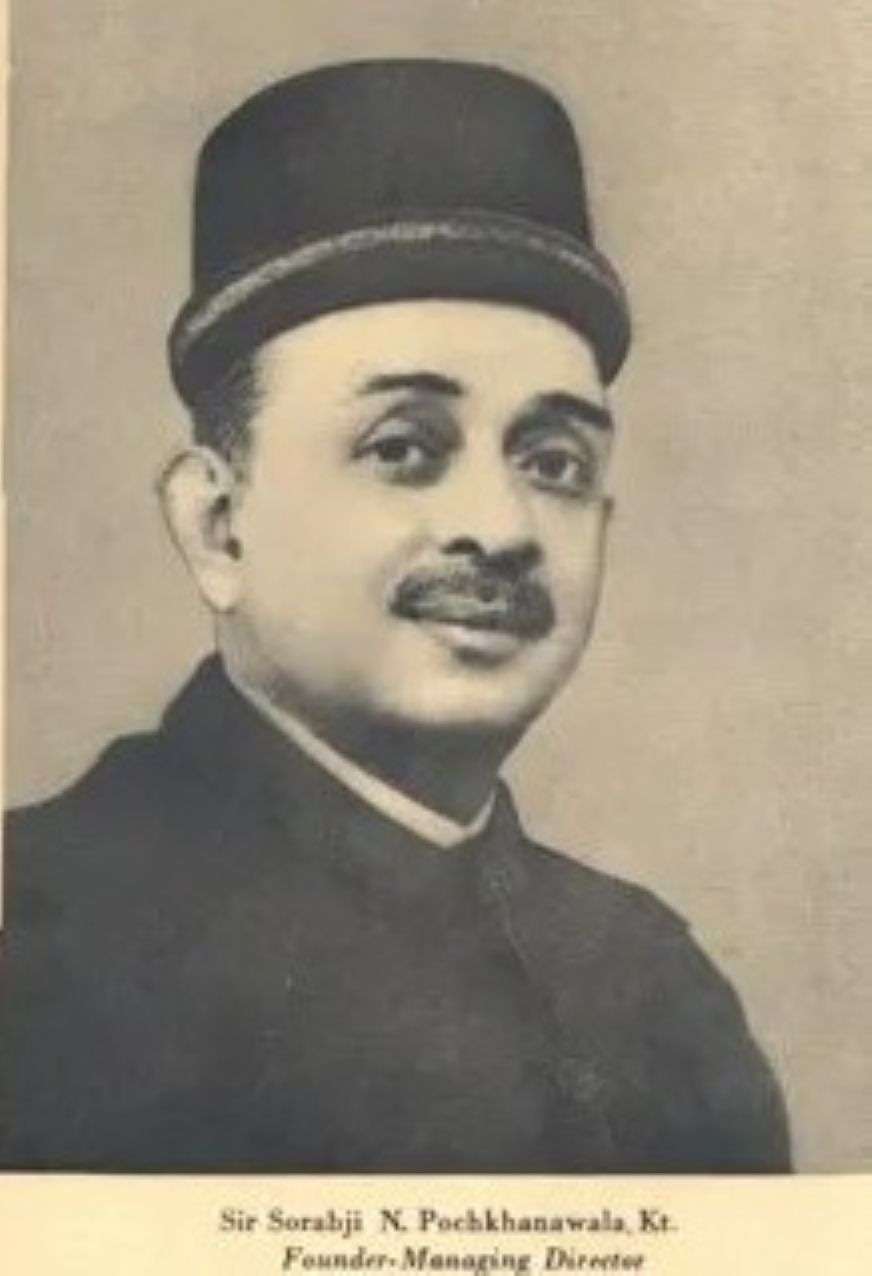
One such forgotten hero was Sir Sorabji Pochkhanawala—the banker whose courage, foresight and unwavering faith in Indian enterprise helped rescue one of the country’s greatest business houses during one of its darkest hours.
Today, the Tata Group stands among the world’s most respected business conglomerates, with interests spanning steel, automobiles, information technology, aviation, hospitality, power, retail and financial services. It is difficult to imagine that there was once a time when the very survival of the Tata empire hung by a thread.
That defining moment arrived in 1923.
During the economic boom created by the World War I, industrial expansion gathered pace across India. To support this emerging industrial ecosystem, the Tata Group established the Tata Industrial Bank. Unlike conventional commercial banks that focused largely on trade and short-term finance, the new institution specialised in providing long-term industrial credit. It financed factories, infrastructure projects and manufacturing ventures at a time when institutional support for Indian industry remained limited.
For a brief period, the bank symbolised India’s growing economic confidence.
But prosperity proved short-lived.
The post-war economic slowdown exposed structural weaknesses in many financial institutions. Banks carrying long-term industrial loans found themselves vulnerable whenever depositors demanded immediate withdrawals. The situation turned critical when the collapse of the Alliance Bank of Simla in 1923 triggered panic across the country.
Confidence vanished overnight.
Depositors rushed to withdraw their savings. Rumours spread rapidly through Bombay’s financial circles that the Tata Industrial Bank faced severe liquidity problems. Thousands queued outside its offices, desperate to recover their deposits.
Like every bank confronting a sudden run, the institution faced a classic mismatch between long-term assets and immediate cash demands.
Had the Tata Industrial Bank collapsed, the consequences would have extended far beyond banking.
The reputation of the Tata name would have suffered irreparable damage. Investor confidence in Indian-managed enterprises would have been shattered. The shock could have disrupted industrial projects, weakened one of India’s foremost business houses, and strengthened the colonial argument that Indians could not manage large-scale financial and industrial institutions.
At that critical juncture stepped forward a man history has largely forgotten.
Sir Sorabji Pochkhanawala.
Founder of the Central Bank of India—the first major commercial bank established and managed entirely by Indians—Pochkhanawala understood that the crisis transcended one struggling institution. It was a test of Indian enterprise itself.
Instead of allowing panic to dictate events, he chose cooperation over competition.
Rather than treating the Tata Industrial Bank as a rival, he recognised that preserving public confidence was in the larger national interest.
The Central Bank of India extended vital support and facilitated the merger of the Tata Industrial Bank into its own operations. The move reassured depositors, stabilised confidence and enabled an orderly resolution without the stigma of a spectacular collapse.
The merger may have appeared to be an ordinary financial transaction.
In reality, it represented something much greater.
It demonstrated that Indian institutions could stand together during adversity instead of waiting for colonial intervention. It showcased financial statesmanship rather than narrow commercial self-interest. Most importantly, it prevented a banking crisis from turning into an industrial catastrophe.
The Tata Group gradually exited the banking business, concentrating instead on expanding its industrial footprint. Over the decades, it evolved into one of the world’s most admired business groups. Years later, it would re-enter financial services through companies such as Tata Capital, insurance ventures and other financial institutions.
Yet few remember that one chapter of Tata’s journey survived because another Indian institution stepped forward at precisely the right moment.
Ironically, the merger itself ensured that the Tata Industrial Bank slowly disappeared from public memory. Its separate identity dissolved into the expanding Central Bank of India, leaving behind only scattered references in banking history.
But institutions may vanish while their legacy endures.
Sir Sorabji Pochkhanawala’s contribution extends far beyond the founding of a successful bank. He exemplified leadership rooted in national purpose rather than immediate gain. At a time when colonial India offered few examples of large Indian-controlled financial institutions, his decision reinforced confidence in indigenous banking and industry.
His actions remind us that history is often shaped not only by those who build empires but also by those who quietly ensure that those empires survive their greatest tests.
India’s industrial rise owes much to celebrated names like Jamsetji Tata and his successors. Yet it also owes a debt to forgotten guardians like Sir Sorabji Pochkhanawala, whose wisdom and courage helped protect an industrial dream when it appeared most vulnerable.
Some heroes build great institutions.
Others save them when history gives them only one chance.
Sir Sorabji Pochkhanawala belonged to the latter category—an unsung hero whose timely intervention preserved not merely a bank, but faith in India’s entrepreneurial capability at a defining moment in the nation’s economic history.
Perhaps that is why his story deserves far greater recognition today. While industrial giants rightly occupy the spotlight, the silent guardians who protected India’s economic foundations deserve an honoured place in the nation’s collective memory. Sometimes, history’s greatest achievements belong not to those who seek applause, but to those whose quiet acts of courage ensure that others continue to shine.