



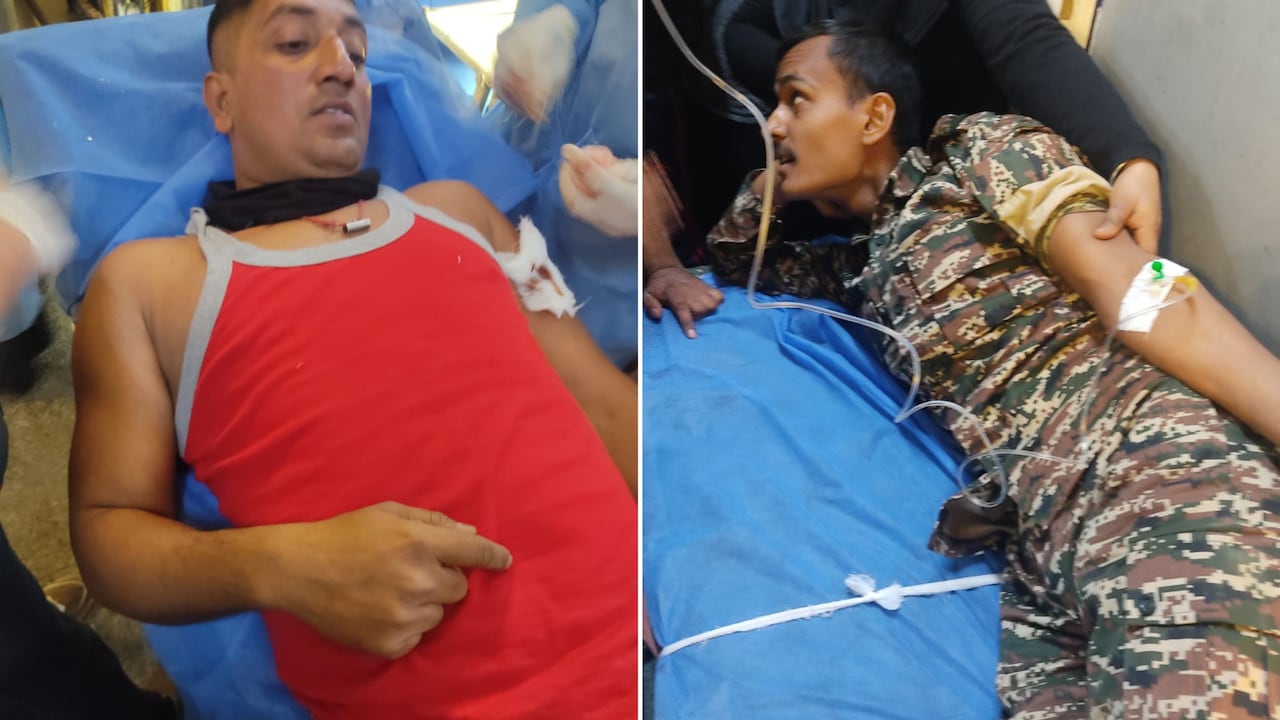
Pakistan appears unwilling to learn from its past humiliations. Even after Operation Sindoor exposed the consequences of its continued patronage of terrorism, the rogue neighbour seems determined to keep Bharat on tenterhooks through renewed terror provocations, military posturing and clandestine attempts to infiltrate trained terrorists and weapons across the border. Wednesday’s attack on a CRPF checkpoint in Kulgam, in which three personnel were injured, is yet another disturbing reminder that the terror threat remains far from over. Make no mistake: Bharat cannot afford complacency. Any attempt by Pakistan’s military establishment and its notorious intelligence machinery to revive cross-border terrorism, push trained terrorists into Jammu and Kashmir, or establish arms and ammunition dumps to facilitate attacks must be treated as a direct challenge to national security. If Islamabad believes that it can continue this dangerous game without paying a prohibitive price, it is living in a dangerous illusion. Prime Minister Narendra Modi’s unequivocal policy of zero tolerance towards terrorism should leave no room for ambiguity. Operation Sindoor demonstrated that Bharat is prepared to strike terrorist infrastructure and those enabling it beyond its borders when national security demands it. Pakistan must understand that the next provocation could invite consequences far more damaging than it anticipates. There should be no doubt that Bharat’s security forces are capable of delivering a decisive response. Equally worrying are reports and concerns about Pakistan strengthening its military capabilities with assistance from its traditional arms suppliers, particularly China and Turkey. While military procurement and strategic cooperation are not, by themselves, evidence of an impending war, Islamabad would be making a grave miscalculation if it believes that external military support can compensate for its internal weaknesses or give it the confidence to challenge Bharat. China and Turkey, too, must recognise that facilitating a regional arms race in an already volatile neighbourhood carries serious consequences. The developments following the Pahalgam massacre and Operation Sindoor have also underlined the importance of strengthening Bharat’s internal security apparatus. The reported arrests of individuals suspected of espionage and links with Pakistani handlers, including persons from sensitive institutions and retired personnel, highlight the persistent threat of sleeper networks and intelligence-gathering operations. Every such network must be thoroughly investigated, and the guilty brought to justice, irrespective of their position or connections.
There can be no compromise when national security is at stake. Securing the home front is as important as guarding the borders. Pakistan’s designs must be defeated not only at the Line of Control but also through the dismantling of its support networks within Bharat. Ironically, while Pakistan appears eager to project military bravado abroad, it is struggling to contain mounting internal challenges. The continuing unrest in Balochistan, growing resentment in Pakistan-occupied Jammu and Kashmir, persistent instability along its Afghan frontier and the resurgence of militant violence have exposed the fragility of its internal security. Demands for greater autonomy and, in sections of Balochistan, outright independence cannot simply be silenced through military repression. The people of these regions deserve to have their grievances addressed rather than being subjected to coercion. Instead of addressing these existential questions, Pakistan’s establishment appears more interested in manufacturing external enemies and keeping its domestic audience distracted through anti-Bharat rhetoric. Its diplomatic pretensions, including attempts to position itself as a mediator in international conflicts, cannot conceal the contradictions of a state struggling to maintain stability within its own borders. Pakistan should also understand that Bharat’s diplomatic outreach and expanding international standing cannot be undermined through provocations or attempts to foment instability in the neighbourhood, including Bangladesh. The message to Islamabad must be loud and unmistakable: Bharat does not seek war, but neither will it tolerate terrorism masquerading as proxy warfare. There is a fundamental difference between restraint and helplessness. The Indian armed forces are better prepared, and the country’s political leadership has demonstrated the resolve to act when provoked. Pakistan would be wise to concentrate on putting its own house in order rather than plotting against a neighbour that has repeatedly demonstrated its capacity to defend itself. It must abandon the dangerous fantasy that trained terrorists, clandestine arms dumps and external military assistance can alter the strategic balance. If the Pakistani establishment chooses another round of misadventure, it must be prepared to bear the consequences. This time, the price of provocation could prove disastrous. Bharat’s patience must never be mistaken for a licence to bleed it through a thousand cuts.

