



Bangladesh is burning; its streets are turning into battlegrounds, bombs are exploding, vehicles are being torched and media establishments are coming under attack. A country that once promised to emerge as a rapidly developing South Asian economy is today struggling to preserve even the basic foundations of democracy, law and order. The disturbing question is: How did Bangladesh descend into such a catastrophic state, and who is responsible for pushing the nation to the brink?
The ouster of Sheikh Hasina in August 2024, following a student-led uprising, was projected by its protagonists as a victory for democracy and freedom. But nearly two years later, what has Bangladesh gained from that upheaval? Has the revolution delivered democratic accountability, political stability and economic progress, or merely replaced one set of power struggles with another? The unfolding violence suggests that the country has exchanged one political crisis for a far more dangerous and unpredictable one.
The latest eruption of violence, including bomb blasts, arson and attacks on media establishments, exposes the frightening extent of institutional breakdown. The announcement by Hasina that she intends to return to Bangladesh in December and face the legal process has apparently intensified an already volatile political atmosphere. Her supporters, opponents and various revolutionary groups seem more interested in settling political scores than restoring normalcy. The ruling Bangladesh Nationalist Party (BNP), led by Tarique Rahman, faces the enormous challenge of governing a deeply polarised country while dealing with the legacy of Hasina’s controversial rule.
But the fundamental question is whether banning the Awami League from electoral participation and pursuing its leaders through coercive political measures will strengthen democracy. Can a country claim to have restored democratic freedoms while denying a major political constituency meaningful participation? Equally, can Hasina and her supporters escape accountability for alleged excesses committed during her tenure? Neither political vendetta nor selective justice can substitute for the rule of law. Accountability must be established through credible judicial processes, not through mob pressure or street intimidation.
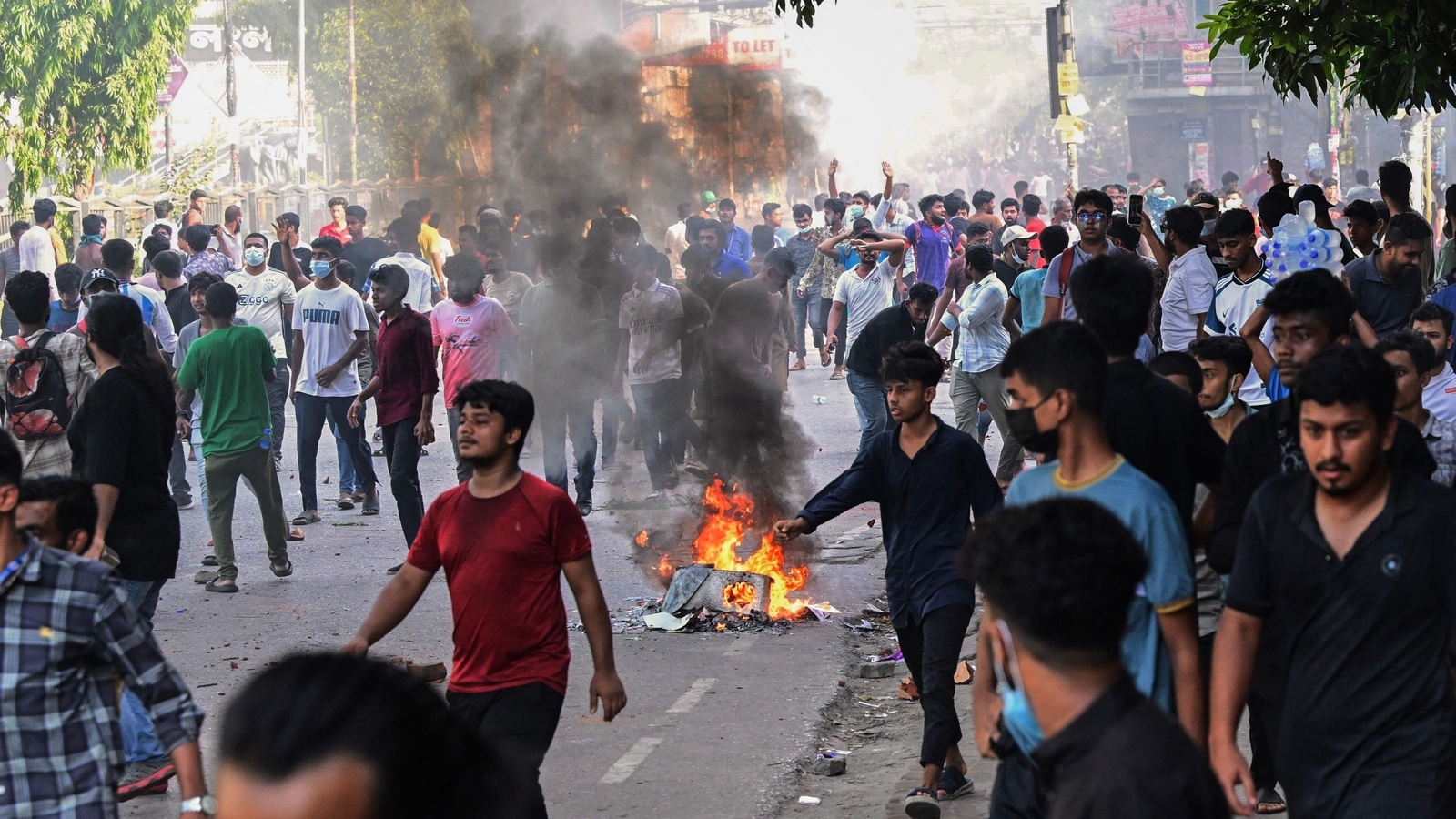
More alarming is the growing influence of hardline religious and extremist elements that appear to have exploited the political vacuum. Groups that participated in the 2024 uprising are now asserting themselves through street mobilisation and confrontational politics. If the state cannot prevent these forces from intimidating political opponents, attacking institutions and dictating the terms of national discourse, what remains of its authority? A revolution cannot become a licence for anarchy, nor can the overthrow of an elected government be celebrated as democratic progress if its aftermath leaves citizens more insecure and institutions weaker.
The attacks on media organisations such as Prothom Alo and The Daily Star are particularly disturbing. A free press is indispensable to democracy, irrespective of whether its editorial positions are agreeable to those in power. Burning newspapers’ offices, intimidating journalists and silencing dissent are characteristics of authoritarianism, not democratic renewal. Those who once demanded freedom of expression must answer why they are unable or unwilling to protect it today.
India, too, cannot afford to view the developments across its eastern border as somebody else’s internal problem. The targeting of Indian diplomatic interests, anti-India rhetoric and accusations that New Delhi is sheltering Hasina have added another dangerous dimension to bilateral relations. Bangladesh’s political instability has direct implications for India’s security, regional connectivity and the safety of minorities. India must remain vigilant, protect its national interests and avoid being drawn into Bangladesh’s domestic political rivalries.
Ultimately, the biggest losers are ordinary Bangladeshis. They did not demand a country perpetually paralysed by political vendettas, violent protests, religious extremism and institutional uncertainty. They wanted jobs, economic opportunities, security and accountable governance. Instead, they are witnessing a nation increasingly consumed by revenge and competing claims to political legitimacy.
Bangladesh’s tragedy is that those who promised to rescue it from authoritarianism have yet to demonstrate that they can govern it democratically. The BNP government must establish law and order, protect minorities, guarantee media freedom and ensure an inclusive political process. Hasina’s alleged excesses must be addressed through due process, while her political opponents must abandon the temptation to rule through intimidation.
The question is no longer merely why Bangladesh is burning. It is whether its political leadership has the wisdom, maturity and commitment to stop the fire before it consumes the very foundations of the nation. A revolution that destroys institutions without building stronger democratic alternatives is not liberation. It is simply another route to national ruin.


