



Prediabetes is a condition in which blood glucose (blood sugar) levels are higher than normal but not high enough to be diagnosed as type 2 diabetes. It indicates that the body is beginning to lose its ability to regulate blood sugar effectively. Insulin, a hormone produced by the pancreas, helps glucose enter the body’s cells to provide energy. In prediabetes, cells become less responsive to insulin, a condition known as insulin resistance. The pancreas initially compensates by producing more insulin, but over time this may not be sufficient to maintain normal glucose levels.
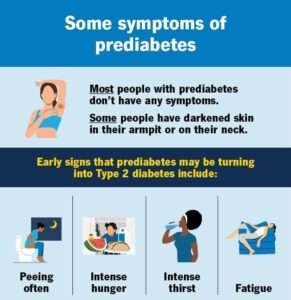
Prediabetes usually develops without noticeable symptoms. Some people with insulin resistance develop dark, thickened or velvety patches of skin, particularly around the neck, armpits or groin. This condition, called acanthosis nigricans, can be an external clue to underlying insulin resistance. Excessive thirst, frequent urination and unexplained fatigue are not typical features of prediabetes; when these occur, they warrant testing to rule out diabetes or other causes.
Many people discover prediabetes during routine blood tests, sometimes years before diabetes develops. It is identified through three commonly used tests. An HbA1c level of 5.7–6.4%, fasting plasma glucose of 100–125 mg/dL, or blood glucose of 140–199 mg/dL two hours after a 75-g oral glucose tolerance test indicates prediabetes under the American Diabetes Association criteria. HbA1c reflects average blood glucose over approximately two to three months, while fasting glucose measures the level after at least eight hours without food. These tests do not always identify the same individuals, and results may need clinical interpretation or confirmation.
Prediabetes is not diabetes, and progression is not inevitable. However, it is an important opportunity to identify metabolic changes and intervene before the disease becomes established.
Why should prediabetes be taken seriously?
The concern is not limited to the possibility of developing diabetes. Prediabetes is associated with an increased risk of cardiovascular disease, including heart attack and stroke. It frequently occurs alongside abdominal obesity, high blood pressure, raised triglycerides and reduced levels of high-density lipoprotein (HDL), commonly called good cholesterol. Together, these abnormalities form a pattern of metabolic risk that can affect long-term health.
Persistently elevated glucose may also be associated with early changes in blood vessels and nerves, even before diabetes is diagnosed. Some individuals may already have evidence of fatty liver disease or other metabolic complications. The American Diabetes Association’s Standards of Care in Diabetes—2026 recognises prediabetes as a risk factor for both type 2 diabetes and cardiovascular disease, recommending assessment of associated risk factors rather than focusing on glucose alone.
Who is at risk?
Excess body weight, particularly fat around the abdomen, is a major risk factor. A sedentary lifestyle, frequent consumption of refined carbohydrates and sugary drinks, and diets high in calories and processed foods can contribute to insulin resistance.
Family history also matters. A parent or sibling with type 2 diabetes increases the likelihood of developing the condition. The risk is further increased by high blood pressure, abnormal cholesterol, polycystic ovary syndrome (PCOS), previous gestational diabetes (diabetes during pregnancy) and a history of delivering a baby with high birth weight.
South Asians, including Indians, may develop insulin resistance and type 2 diabetes at comparatively lower body mass index (BMI) levels than many other populations. Therefore, a person who appears slim or has a seemingly normal body weight should not automatically assume that the risk is absent. Physical inactivity and increasing waist circumference deserve attention even in people who are not visibly overweight.
Can prediabetes be reversed?
In many cases, glucose levels can return to the normal range, particularly when intervention begins early. However, this does not mean that the underlying tendency has disappeared permanently. The risk can return if unhealthy habits resume or weight increases.
The landmark Diabetes Prevention Program trial, published in the New England Journal of Medicine in 2002, demonstrated that an intensive lifestyle intervention reduced the incidence of type 2 diabetes by 58% among high-risk participants over approximately three years. This established that lifestyle changes can be more than general health advice: they can substantially delay or prevent diabetes in people at increased risk.
Prevention: Small changes, consistent results
Weight management is important for individuals who are overweight or have excess abdominal fat. The 2026 American Diabetes Association recommendations advise aiming for a 5–7% reduction in initial body weight in high-risk adults with overweight or obesity. Even a modest reduction can improve insulin sensitivity.
Regular physical activity is equally important. At least 150 minutes of moderate-intensity exercise each week, such as brisk walking, cycling or swimming, is recommended. Resistance exercises can also improve muscle strength and glucose utilisation. Reducing prolonged sitting and incorporating movement into daily routines make these changes easier to sustain.
Dietary changes should focus on quality and portion size. Vegetables, pulses, whole grains, nuts and whole fruits provide fibre and help improve overall dietary quality. Sugary beverages, sweets, refined flour products and excessive portions of white rice should be limited. There is no single diet suitable for everyone; a balanced eating pattern that can be maintained over time is more useful than a short-lived restrictive diet.
Adequate sleep, stress management, and avoiding tobacco also contribute to better metabolic health. People diagnosed with prediabetes should have their glucose levels monitored at least annually, with more frequent testing when individual risk is high. Metformin may be considered by doctors for selected high-risk individuals, but it is not necessary for everyone with prediabetes.
Prediabetes is neither a harmless laboratory finding nor a guaranteed path to diabetes. It is an opportunity to act while there is still time to change the course of the disease. A blood test can identify the problem, but sustained changes in everyday habits determine much of what happens next.

