



The Bharat-Russia relationship is no longer merely about nostalgia, diplomacy or a Cold War-era friendship. It is increasingly being built around hard economics, energy security and strategic interests. And nowhere is this transformation more visible than in hydrocarbons. The commissioning of Russia’s massive Vostok Oil project and its first Arctic oil shipment mark a significant development. With a resource base estimated by Rosneft at around 7 billion tonnes of oil, Vostok Oil is among the world’s major emerging oil provinces. More importantly for Bharat, Bharatiyan state-owned energy companies already have a substantial stake in the Vankor assets that have been incorporated into the wider Vostok Oil project. That distinction matters. Bharat does not, as of now, own 49.9 per cent of Vostok Oil itself. The 49.9 per cent stake is held by a consortium of Bharatiya companies in Vankorneft, which develops the Vankor oil and gas field and forms part of the Vostok Oil complex. ONGC Videsh, Oil India, Indian Oil Corporation and Bharat PetroResources have been partners in Russian upstream assets for years. But the larger strategic picture is unmistakable. Bharat is not content with remaining a passive buyer of crude. It has sought ownership and participation in producing assets abroad, thereby giving its energy companies a place on the other side of the supply chain. That is a fundamentally different proposition from simply purchasing oil cargoes whenever prices and geopolitics permit. For the world’s third-largest oil-consuming economy and a major crude importer, diversification is not a luxury. It is a strategic necessity. Wars can disrupt supply. Sanctions can redraw trading routes. Shipping lanes can suddenly become vulnerable. Insurance and payment systems can become instruments of geopolitical pressure. The experience of recent years has demonstrated that energy security cannot be left entirely to the market.
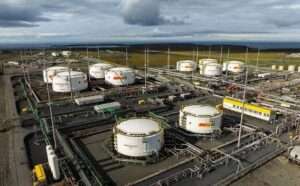
This is where Russia becomes particularly important. The Arctic Vostok Oil project is designed around the Northern Sea Route, providing Russia with a new export corridor towards Asian markets. Its development therefore has implications extending well beyond Russia’s borders. For Bharat, deeper engagement with Russian energy resources provides another avenue for securing long-term supplies while strengthening the country’s presence in the emerging Arctic-Asian energy corridor. There is another dimension that New Delhi cannot ignore. Western sanctions on Russian energy have complicated the operating environment for Indian companies with Russian exposure. ONGC Videsh itself continues to monitor the implications of international sanctions on its Russian assets. That means the opportunity is substantial, but so are the commercial, financial and geopolitical risks. Yet this is precisely why strategic autonomy matters. Bharat cannot afford an energy policy dictated by any one geopolitical bloc. Its interests require engagement with the Gulf, Russia, the United States, Africa and other producing regions simultaneously. Buying Russian crude when it is economically advantageous is one part of the strategy. Having Indian companies invested in producing assets is a deeper form of engagement. The lesson from Vostok Oil is therefore larger than oil. Under Prime Minister Narendra Modi, Bharat-Russia ties are acquiring a distinctly transactional and strategic character: friendship backed by interests, and interests protected by diversification. The Arctic may be thousands of kilometres from Bharat. But the oil beneath it can have a direct bearing on Bharat’s factories, transport networks, households and economic ambitions. In an increasingly uncertain world, energy security is national security. And Vostok Oil could become an important part of that equation.

