



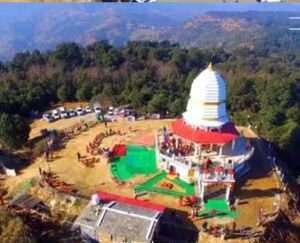
Siddha Narasimha Temple is located in the peaceful Himalayan region of Champawat in Uttarakhand. Surrounded by forests, hills, and traditional Kumaoni villages, the temple is known for its calm spiritual atmosphere and natural beauty. Devotees visit the shrine seeking peace, protection, and divine blessings.
The exact age of the temple is not clearly known, but local traditions believe the shrine is several centuries old. The sacred site is associated with the medieval period of Kumaon history and has remained an important spiritual center for generations.
The main deity worshipped inside the sanctum is a sacred Shiva Linga. Although the temple is popularly known as Siddha Narasimha Temple, the present worship is mainly dedicated to Lord Shiva. Local beliefs maintain that the temple was once associated with Lord Narasimha, the fierce incarnation of Lord Vishnu, and that the spiritual presence of Narasimha still remains connected with the shrine.
Because of this unique tradition, the temple is regarded as a sacred symbol of the unity of Hari (Vishnu) and Hara (Shiva). Devotees pray here seeking courage, protection, peace, and relief from obstacles.
The temple follows simple traditional Kumaoni Himalayan architecture. Built mainly with stone, the shrine reflects the modest mountain temple style seen in many ancient temples of Uttarakhand. The sanctum housing the Shiva Linga is peaceful and spiritually powerful in appearance.
The surrounding forests, hills, stone pathways, and temple bells create a serene devotional atmosphere that enhances the spiritual importance of the temple.
According to local oral traditions, ancient sages once performed deep meditation and penance in the forests of the Kumaon Himalayas near the present temple site. The region was believed to possess strong spiritual energy and gradually became known as a Siddha Bhoomi — a sacred land blessed by accomplished saints.
Local devotees believe that Lord Narasimha, the fierce protector form of Lord Vishnu, spiritually guarded this region and protected devotees from fear and evil influences. Because of this belief, the shrine came to be associated with Siddha Narasimha.
Over the centuries, the Kumaon region came under strong Shaiva influence during the reign of the Katyuri and Chand rulers, who established and supported many Shiva temples across the Himalayas. Gradually, worship at this sacred site evolved into Shiva Linga worship while the ancient Narasimha association continued through local traditions and the temple’s name.
Even today, devotees believe that the temple carries the combined divine blessings of Lord Shiva and Lord Narasimha. The shrine is therefore respected as a rare spiritual symbol of harmony between Shaiva and Vaishnava traditions in the Himalayan region.
The temple is considered an important spiritual center in the Champawat region. Devotees visit the shrine seeking divine protection, relief from fear and difficulties, mental peace, and spiritual strength. The calm Himalayan surroundings also make the temple ideal for meditation and prayer.
Maha Shivaratri is the main festival celebrated at the temple with special abhishekam and Shiva worship. Narasimha Jayanti is also observed due to the temple’s traditional association with Lord Narasimha.
Other important occasions include Shravan month rituals, Kartik Purnima, Navaratri, and local Kumaoni religious fairs, during which devotees gather for prayers and traditional celebrations.

