Shekhar Maramraju
I had to travel to Vijayawada on business to meet someone. I could have driven, but the thought of spending hours behind the wheel felt monotonous. Driving demands your attention every moment. A train journey, on the other hand, allows you to surrender yourself to time. So, almost impulsively, I chose the train instead.
Little did I know that I was not merely travelling to Vijayawada—I was travelling back in time.
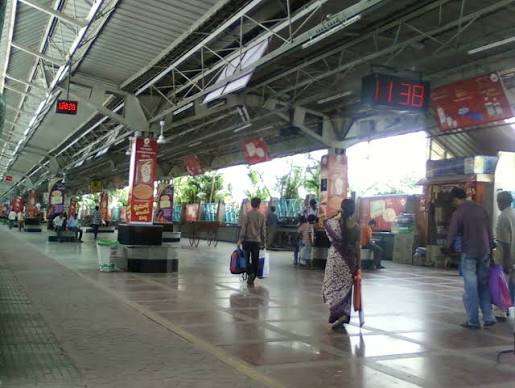
The moment I stepped onto the platform, it felt like I had walked into a memory. There was something strangely comforting about the familiar chaos around me. The railway station, despite all the technological changes of the last few decades, seemed untouched in spirit.
Some things hadn’t changed since my childhood.
The familiar rush at the ticket counters. People confidently occupying reserved seats, hoping no one would question them until the rightful passenger arrived. Street vendors weaving effortlessly through the crowd carrying tea, coffee, samosas, biscuits and snacks, announcing their presence in voices that somehow belong only to railway platforms. Children tugging at their parents’ hands for an extra packet of chips or a cold drink. Elderly passengers patiently waiting, their luggage serving as makeshift seats.
And then came the train itself—the unmistakable sound of steel meeting steel, announcing its arrival long before it came into view.
The ever-changing scenery outside the window unfolded like an old movie I had watched countless times but never grown tired of—endless stretches of green fields, sleepy villages waking up to another ordinary day, rivers silently flowing beneath bridges, and small stations where life seemed to pause briefly every time a train arrived.
Every station has its own rhythm. Some passengers get off with a sense of relief, while others board in a hurry, anxious not to miss their train. There are emotional farewells, cheerful reunions, hurried conversations over phone calls and strangers helping strangers lift their luggage onto overhead racks. Each passenger carries a story that remains untold to everyone else.
As a child, these moments were exciting. Train journeys were adventures. I would sit by the window counting electric poles, waiting impatiently for tunnels, asking endless questions about the names of stations, and insisting on tasting whatever was being sold on the platform. The journey itself mattered more than the destination.
Today, those same moments felt nostalgic.
What struck me most wasn’t how much had changed over the years—it was how much had remained exactly the same. We now book tickets through our mobile phones instead of standing in long queues. We track trains in real time and complain when they are delayed by a few minutes. Our lives have become faster, more efficient and increasingly digital.
Yet, Indian train journeys seem to exist in their own timeline.
The aroma of railway tea served in paper cups, the quiet conversations between strangers who part ways after a few hours, the rhythmic sound of wheels rolling over tracks and the familiar chaos that somehow finds its own order—these little rituals continue to survive the passage of time.
Perhaps that is why train journeys remain special. They remind us that not everything needs to change. Some experiences deserve to remain untouched because they connect generations. Our grandparents experienced them, our parents cherished them, and we smile when we rediscover them years later.
By the time I reached Vijayawada, my business meeting had become secondary in my thoughts. What I carried back with me was something far more precious—a reminder of simpler times and an appreciation of life’s enduring little traditions.
Sometimes, the destination isn’t the most memorable part of the journey. It’s the familiar chaos along the way that reminds you where you come from.