



One of the most magnificent bonds in the world is the relationship between women and nature. Perhaps that is why we lovingly call her Mother Nature. The Telugu poet Bammera Pothana beautifully captured this sentiment in the phrase, “Ammalakanna Amma Peddamma” — the mother who is greater than all mothers.
Across civilizations and centuries, women have shared a unique connection with the earth. It is not merely emotional; it is a relationship born out of survival, resilience and an instinctive understanding that nature nurtures and sustains life.
Legendary actress Sophia Loren once recalled the poverty she experienced in post-World War II Italy. During those desperate years, her mother gathered wild grasses to prepare meals that kept the family alive. Such stories remind us that in times of adversity, it is often women who become the guardians of survival.
From dense forests and towering mountains to remote islands and sea shores, women have tirelessly worked to feed and protect their families. They have carried generations on their shoulders, often without recognition.
India offers many such examples. We remember the women of the Chipko Movement who hugged trees to prevent them from being felled. Many of these women were orphaned and had grown up depending entirely on the forests for sustenance. The trees became their “mai-baap” — their parents and protectors. Their struggle was not merely environmental activism; it was a fight for survival.
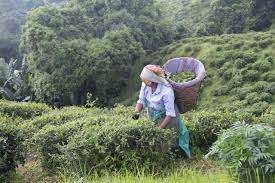
In the hills of Northeast India, women continue to perform arduous tasks every day. They trek steep mountain paths carrying heavy loads and work tirelessly in the tea plantations of West Bengal. The great Bhupen Hazarika immortalised their labour in his song, “Ek Kali Do Pattiyan Chun Rahi Hai,” celebrating the delicate fingers that carefully pluck two leaves and a bud, day after day, for meagre wages that barely sustain their families.
I witnessed this spirit myself during my travels through the northeastern states in 1990. The famous Ima Keithel, popularly known as the Burma Bazaar in Manipur, left a lasting impression on me. It is perhaps the world’s largest all-women market, where women bring everything from vegetables to fish to sell and earn a livelihood. Their industriousness and self-reliance were remarkable.
A few years ago, I read Lisa See’s extraordinary book, The Island of Sea Women, which left me both astonished and humbled. It tells the story of the Haenyeo of South Korea — women divers who, even in their eighties and nineties, plunge into the sea to collect octopuses, shellfish and other marine delicacies that eventually find their way onto Japanese dining tables.
ek Kali ki pattiyan#Dr Bhupen Hazarika #song #ytshorts
These women begin their training at the age of five or six, playing and learning near the shore. As they grow older, they dive deeper into the ocean, often spending four to five hours underwater searching for octopuses hidden beneath rocks and sea beds.
Survival taught them to wrest a living from the sea. Strong winds, rough weather and powerful tides rarely deterred them. Over time, they developed their own safety practices and collective wisdom, but they never allowed fear to overpower their spirit.
Their lives give meaning to the saying, “When the tides get tough, the tough get going.”
Many of these women even joke that after quarrelling with their husbands, they dive deeper into the sea with renewed energy. Their humour and resilience are striking. Like countless Asian women who sing while harvesting crops or cutting grass, they transform labour into celebration.
The renowned classical vocalist Kumar Gandharva once said he refined his music by listening to rural women singing as they ground grain and separated husk from rice. Their songs carried the rhythm of life itself.
One Korean woman, now 90 years old, says she wishes to continue working until she turns 100. What is truly astonishing is that these women possess the stamina and vitality of people in their twenties, even at eighty and beyond.
It is a reminder to all of us that strength is not always loud. It often resides quietly in women who rise every day before dawn, work without complaint, nurture families, and remain deeply connected to the earth.
Long before the world began speaking of sustainability, these women were living it.
Indeed, Mother Nature and the women of the earth share an extraordinary kinship. Both give endlessly, endure silently and ask for very little in return. They are the true custodians of humanity’s survival.
Their stories deserve not just admiration, but gratitude.




Yes Surely admire them with gratitude which they rightly deserve from everyone of us.