



Melancode Devi Temple is situated at Melancode near Kumaracoil in Kanyakumari district, Tamil Nadu. It is close to the historic town of Padmanabhapuram and the famous Kumaracoil Murugan Temple. The temple lies in the scenic landscape of the old Nanjil Nadu–Travancore region, surrounded by greenery and hills.
The exact age of the present temple is not established through inscriptions or reliable historical records. However, the worship of the Melancode Devi sisters is believed to be several centuries old and is deeply rooted in the traditional religious culture of the former Travancore region. The temple’s traditions are preserved mainly through local oral history and Sthalapurana.
The temple is associated with two sister goddesses. The elder sister is worshipped as Chempakavalli Amman, also known in local tradition as Melankottamma. The younger sister is associated with Neeladevi and is popularly worshipped as Isakki Amman.
Both goddesses are regarded as powerful guardian deities who protect devotees, families and the surrounding villages. Chempakavalli Amman follows a predominantly vegetarian worship tradition, while the worship of Neeladevi/Isakki Amman retains elements of the traditional village-goddess worship of southern Tamil Nadu and the old Travancore region.
Melancode Devi Temple has the simple character of a traditional village Amman shrine rather than the monumental architecture seen in the major Dravidian temples of Tamil Nadu. The two sister deities have separate places of worship, reflecting their distinct identities and traditions.
The temple’s setting amidst the greenery of the Kumaracoil region adds to its traditional character. Its architecture and worship practices reflect the cultural mixture of Tamil Nadu and the former Travancore region.
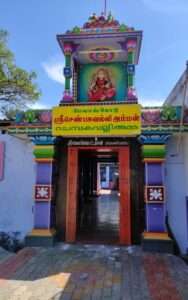
Melancode is situated in an area that historically formed part of the Travancore kingdom and the old Nanjil Nadu region. Consequently, the temple’s traditions show strong cultural links between southern Tamil Nadu and Kerala.
Although the exact date of construction is not known, the worship of Chempakavalli and Neeladevi has continued through generations. The stories connected with the two goddesses are preserved through local traditions, folk worship and Villupattu. The association of the shrine with the Padmanabhapuram– Travancore region gives it an important place in the religious folklore of Kanyakumari.
According to local Sthalapurana, several centuries ago, a priest associated with the Neelakanteswarar Temple in the Padmanabhapuram region lived with his wife from Nanjil Nadu and their two daughters, Chempakavalli and Neeladevi. The two sisters were known for their beauty and good character.
A military commander named Padmanabhan became interested in the sisters. Fearing for their safety and honour, their father is said to have taken the tragic decision of pushing them into wells on different sides of the fort, causing their death.
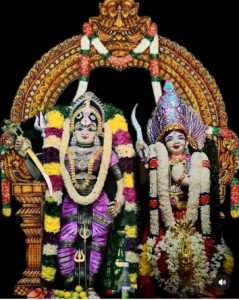
After their death, people around the fort began experiencing unexplained disturbances, illnesses and misfortunes. The ruler consulted traditional Kerala practitioners, who, through divination, identified the spirits of the two sisters as the cause. They advised that the sisters should be appeased and worshipped.
Accordingly, representations of the sisters were prepared from earth and special rituals, including a midnight ceremony, were performed. The disturbances are believed to have stopped, and the sisters thereafter came to be worshipped as powerful guardian deities. Chempakavalli became revered as the elder sister, while Neeladevi became associated with the younger sister and the Isakki Amman tradition.
Another tradition connects the younger goddess with the Travancore royal family. When certain traditional rituals were restricted, the Maharani is said to have suffered from a serious problem. After the royal family sought the goddess’s forgiveness, the problem disappeared. The goddess then appeared in the Maharani’s dream and revealed her identity, after which the traditional worship was permitted to continue.
A popular legend also tells of a musician who received a ring from Chempakavalli after singing before the divine sisters. When the missing ring was later discovered, the musician explained that it had been given to him by the goddess. The incident was accepted as a divine blessing.
The stories of the two sisters have been preserved through local oral traditions and Villupattu, the traditional bow-song storytelling art of the Kanyakumari– Travancore region. These accounts form the sacred tradition of Melancode Devi Temple and should be understood as Sthala Purana rather than independently verified historical records.
The important annual celebrations are traditionally connected with the Tamil month of Aadi. The first Tuesday of Aadi is associated with the Kodai festival of Chempakavalli Amman, while the last Tuesday of Aadi is associated with the Kodai festival of Neeladevi/Isakki Amman.
Special pujas, offerings and traditional rituals are performed during these occasions, and devotees from surrounding areas participate in the celebrations. Fridays and Sundays are also considered important days for worship at the shrine.

