Lakshmanrao Upadhyayula
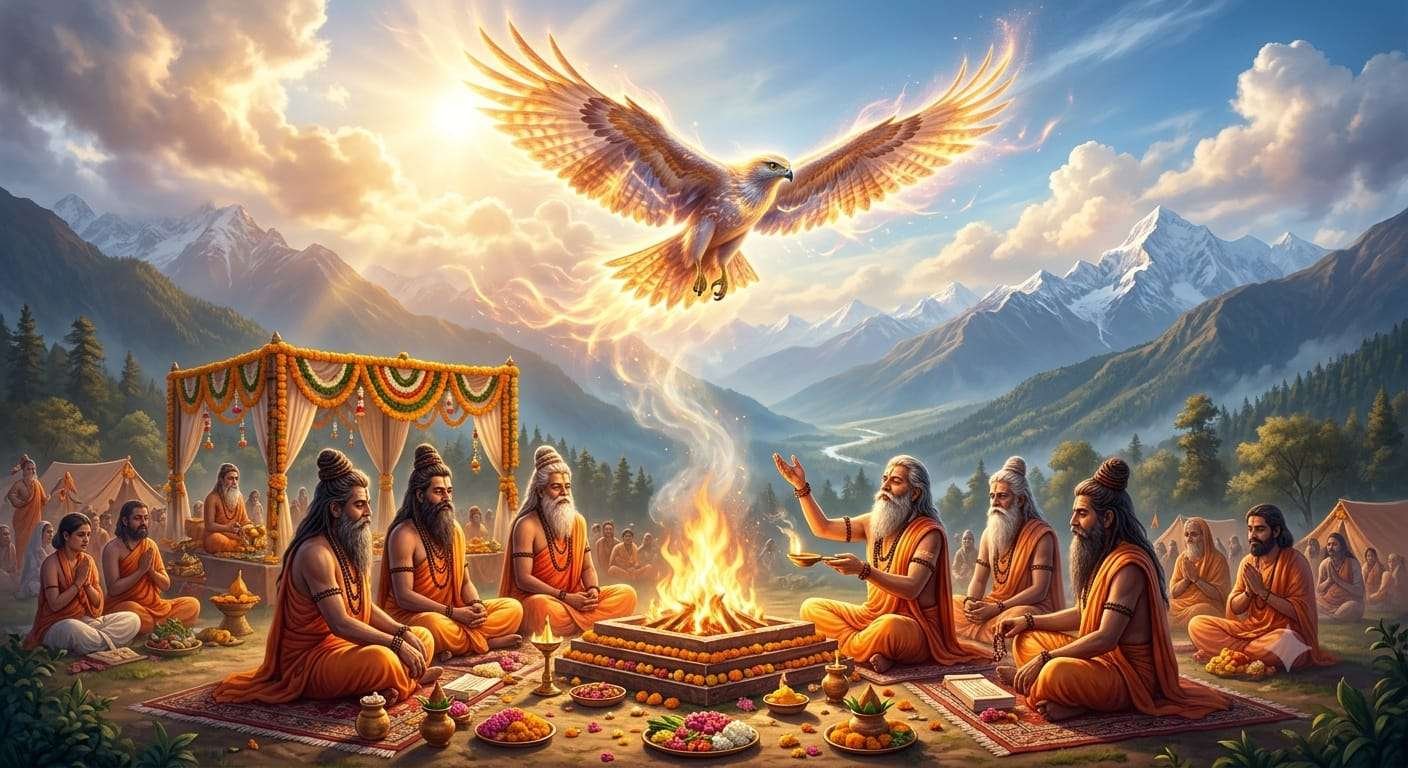
Among the profound hymns of the Rigveda, the sage Vamadeva invokes Indra and Soma in the majestic Trishtubh metre. The hymn is not merely a prayer for victory but a philosophical reflection on the harmony between divine power, natural law, and human aspiration. Every image carries symbolic meaning, revealing the Vedic vision of a universe governed by order, righteousness, and enlightened action.
The hymn begins with the majestic image of Soma placing the great two-wheeled chariot of Surya in the vast expanse of the heavens. This celestial chariot symbolizes the orderly movement of time, seasons, and the rhythmic journey of the Sun across the sky. The two wheels may be understood as representing the eternal cycles of day and night or the continuous movement of cosmic time. The vast space through which the chariot travels reflects the limitless universe whose movements are governed by immutable natural principles rather than chance.
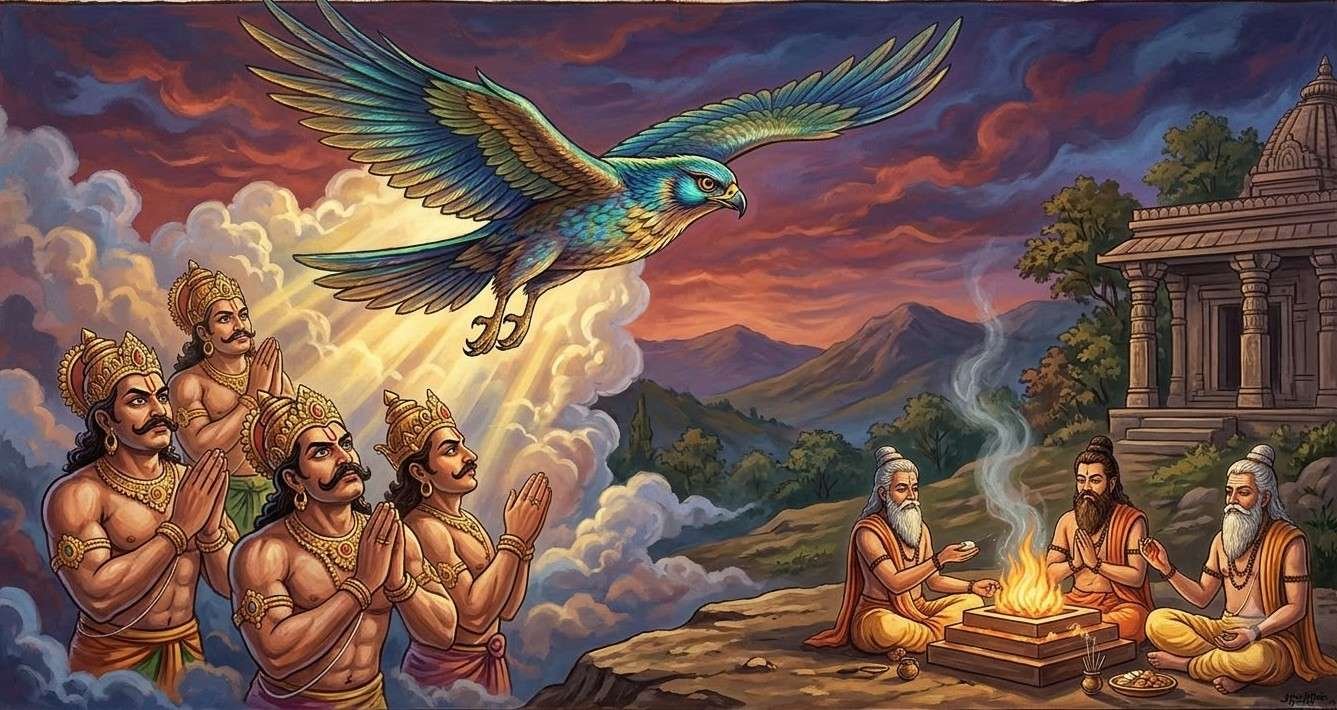
The hymn then describes Indra breaking one wheel of Surya’s chariot and taking away the other with the assistance of Soma. This striking imagery is deeply symbolic rather than literal. It illustrates the Vedic understanding that even the mightiest cosmic forces remain subject to the supreme laws governing creation. The temporary interruption of the solar chariot signifies extraordinary celestial events that drew the attention of ancient seers. Their observations reveal an early scientific temperament, where unusual natural phenomena were preserved through symbolic language, allowing future generations to contemplate both their physical and spiritual significance.
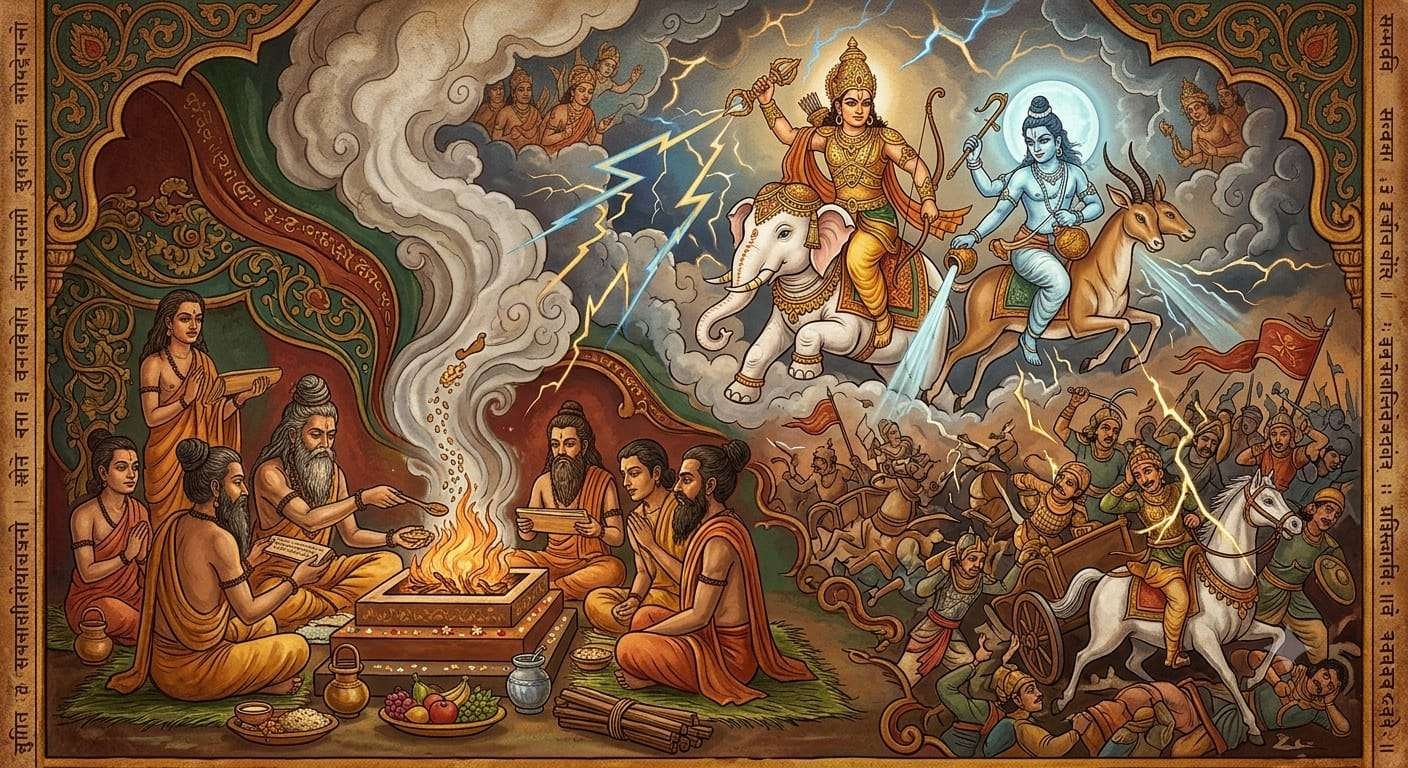
The hymn recalls how, aided by Soma, Indra destroyed hostile forces before midday, while Agni consumed many enemies with his blazing power. These enemies represent not only external adversaries but also the inner obstacles that hinder human progress—ignorance, arrogance, fear, and disorder. The reference to the battle before noon suggests swift and decisive action, demonstrating that righteousness must never hesitate when confronting forces that threaten harmony. Agni, as the purifier, signifies the transforming power of knowledge that burns away impurities and illuminates the path of wisdom.
The sage compares an unprotected traveller crossing dangerous terrain to a person vulnerable to robbers. Just as such a traveller faces grave peril, societies lacking wisdom, discipline, and moral protection become easy victims of destructive influences. Indra’s victory over hostile forces symbolizes the necessity of preparedness, courage, and collective vigilance. The comparison reflects remarkable practical insight into the realities of human life while simultaneously conveying profound spiritual instruction.
The hymn further proclaims that Indra renders the Dasyas powerless because they reject noble virtues and oppose righteous conduct. In the Vedic context, the term does not merely denote a particular people but symbolizes individuals or tendencies that resist truth, discipline, and the pursuit of knowledge. Rituals themselves are not empty ceremonies; they represent disciplined actions that align human life with cosmic order. Those who oppose such harmony inevitably distance themselves from prosperity, peace, and spiritual evolution.
The joint invocation of Indra and Soma to torment and destroy hostile forces carries a deeper philosophical message. Divine strength alone is incomplete without wisdom, and wisdom cannot achieve its purpose without courageous action. Indra embodies dynamic energy and fearless leadership, while Soma represents inspiration, inner illumination, and spiritual bliss. Together they demonstrate that enduring success arises from the harmonious union of physical strength, intellectual clarity, and ethical purpose.
The hymn also celebrates the generous gifts bestowed by Indra and Soma—vast herds of cattle, swift horses, and fertile lands recovered from the grasp of the Panis. In Vedic symbolism, cattle signify nourishment, prosperity, knowledge, and abundance, while horses represent vitality, determination, and dynamic progress. The liberation of hidden cattle and fertile lands signifies the recovery of resources that had been concealed by ignorance or greed. This imagery reflects the Vedic conviction that prosperity flourishes when justice triumphs over exploitation and rightful stewardship replaces selfish possession.
The concluding declaration that all the deeds of Indra and Soma are truthful affirms the highest Vedic ideal of Ṛta, the eternal cosmic order sustaining the universe. Divine actions remain inseparable from truth, justice, and universal welfare. The hymn therefore transcends its historical setting to become a timeless meditation on the relationship between natural law, moral responsibility, and spiritual realization. It demonstrates how the Vedic seers united poetic imagination, keen observation of nature, philosophical inquiry, and scientific curiosity into a single, enduring vision of existence, where the triumph of truth continually renews both the cosmos and the human spirit.