



Sri Vaishnodevi Shaneeswara Devasthanam is a sacred temple situated at Mithra Giri, Sooranadu South, in Kollam district, Kerala. Dedicated to Lord Shaneeswara (Shani Dev) and Goddess Vaishnodevi, the temple is particularly significant for its traditional association with the five Pandavas and their mother Kunti during the Mahabharata period.
Lord Shaneeswara is worshipped here in a distinctive, compassionate, fatherly form. The temple attracts devotees seeking blessings for peace, prosperity, and relief from difficulties, particularly on Saturdays.
According to temple tradition, the sacred site has origins extending back to the Treta Yuga, although its exact historical age has not been archaeologically established.
The temple’s history is associated with 18 Siddha Yogis, who are believed to have performed sacred Yagnas and spiritual practices at this location.
Traditional astrological investigations, known as Devaprashnam, have identified the site as an ancient Tantric Yaga Bhoomi, a sacred ground associated with religious rituals and spiritual practices.
The principal deities are Lord Shaneeswara and Goddess Vaishnodevi.
Lord Shaneeswara is worshipped in a distinctive full-bodied form known as Pitru Sthaniya, representing a compassionate father who guides and protects his devotees.
Goddess Vaishnodevi is worshipped as the Divine Mother, symbolising Shakti, protection and spiritual strength.
The temple complex also includes sanctums dedicated to Panchamukha Ganesha, Navagrahas, the 18 Siddha Yogis, Chathanswami, Maya Yakshiyamma and Kiratha Moorthis.
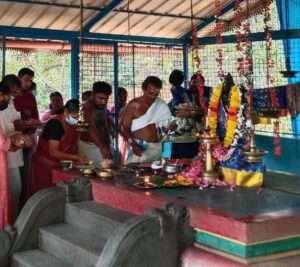
The temple follows traditional Kerala worship practices, with separate sanctums dedicated to its principal deities and associated divine forms.
Its most distinctive feature is the full-bodied representation of Lord Shaneeswara in his benevolent fatherly aspect, rather than the more familiar stern representation associated with karmic justice.
A separate sanctum honouring the 18 Siddha Yogis reflects the temple’s association with ancient spiritual and Tantric traditions.
According to the temple’s traditional history, the sacred land of Sooranadu was once a place of intense spiritual activity, where 18 Siddha Yogis performed powerful Yagnas and devoted themselves to meditation and divine worship. Their prayers and spiritual practices are believed to have sanctified the land, making it an important place of worship for generations.
The temple’s most fascinating legend takes us back to the time of the Mahabharata, when the five Pandavas faced one of the greatest challenges of their lives. Having endured years of hardship, exile and injustice at the hands of the Kauravas, Yudhishthira and his brothers were preparing for the great Kurukshetra War. Their mother Kunti, deeply concerned about the dangers awaiting her sons, sought divine protection and blessings for their victory.
According to the temple tradition, the five Pandavas and Kunti worshipped Lord Shaneeswara, seeking his blessings to overcome the difficulties ahead. Lord Shani, revered as the divine dispenser of karmic justice, symbolises discipline, patience and righteousness. Their worship is remembered as an expression of faith in Dharma during a time of great uncertainty.
The temple’s tradition further associates its present idol of Lord Shaneeswara with the sacred image believed to have been worshipped by the Pandavas and Kunti. This connection gives the temple a special place in local devotional belief, linking the worship of Lord Shani with the great events of the Mahabharata.


