Our Science Desk
Hyderabad: Scientists at the CSIR-Centre for Cellular and Molecular Biology (CSIR-CCMB), Hyderabad, have identified a protein that acts as an early-warning sensor against viral infections, potentially opening new avenues for developing broad-spectrum antiviral therapies.
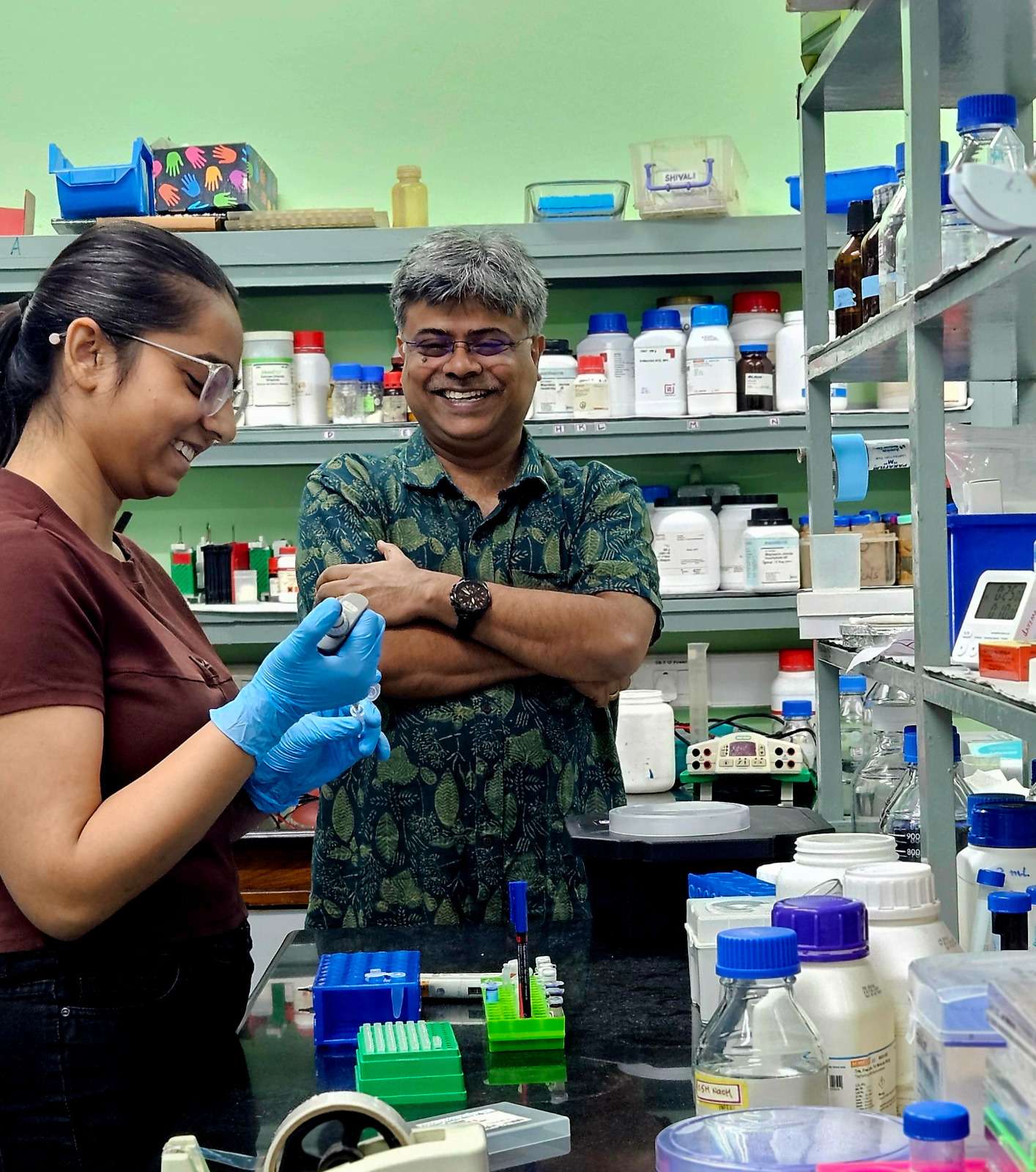
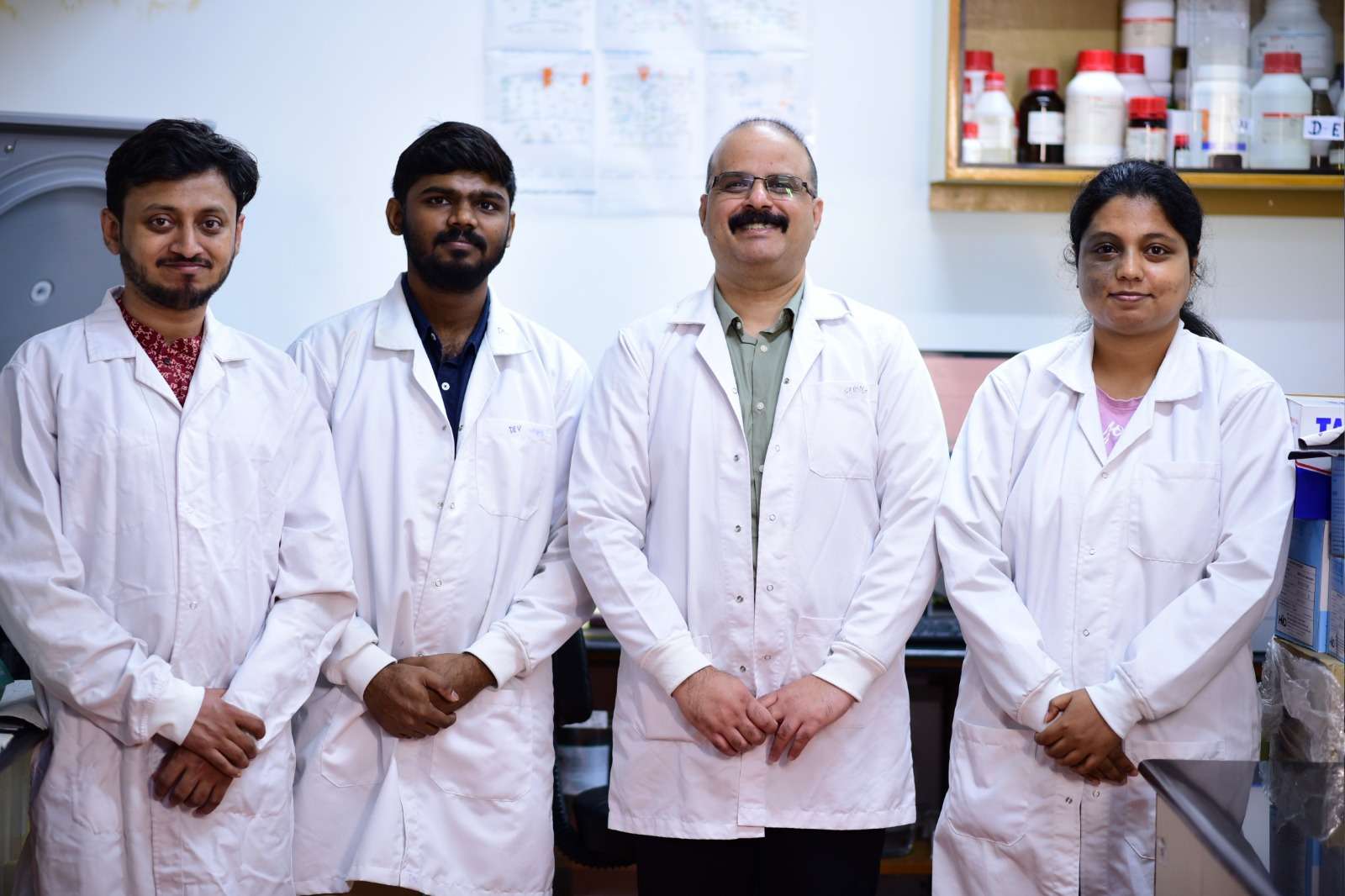
The research, led by Senior Principal Scientist Santosh Chauhan, identifies DZIP3 as a protein that detects viral RNA and activates the body’s immune defence mechanism. The findings have been published in The EMBO Journal.
The study found that DZIP3 changes its structure upon detecting viral RNA and moves to the mitochondria, the cell’s energy-producing centres, where it activates key immune proteins. This triggers the production of Type I interferons, molecules that help prevent viruses from multiplying.
The newly identified pathway was found to provide protection against several disease-causing viruses, including SARS-CoV-2, Chikungunya and Japanese encephalitis.
The team is now exploring small-molecule drug candidates to enhance DZIP3 activity and strengthen the body’s natural antiviral immunity, with the long-term goal of developing therapies against a wider range of viral infections.
Rinku Sahu was the first author of the study, which involved collaborators from national and international institutions. The research was funded by the Department of Biotechnology, Government of India.