Our Science Desk
Hyderabad: Could common viral infections leave behind molecular changes that, years later, contribute to neurodegenerative diseases? Emerging research has suggested a possible association between infections such as influenza and COVID-19 and an increased risk of conditions including Parkinson’s disease. However, the molecular mechanisms behind such a link have remained poorly understood.
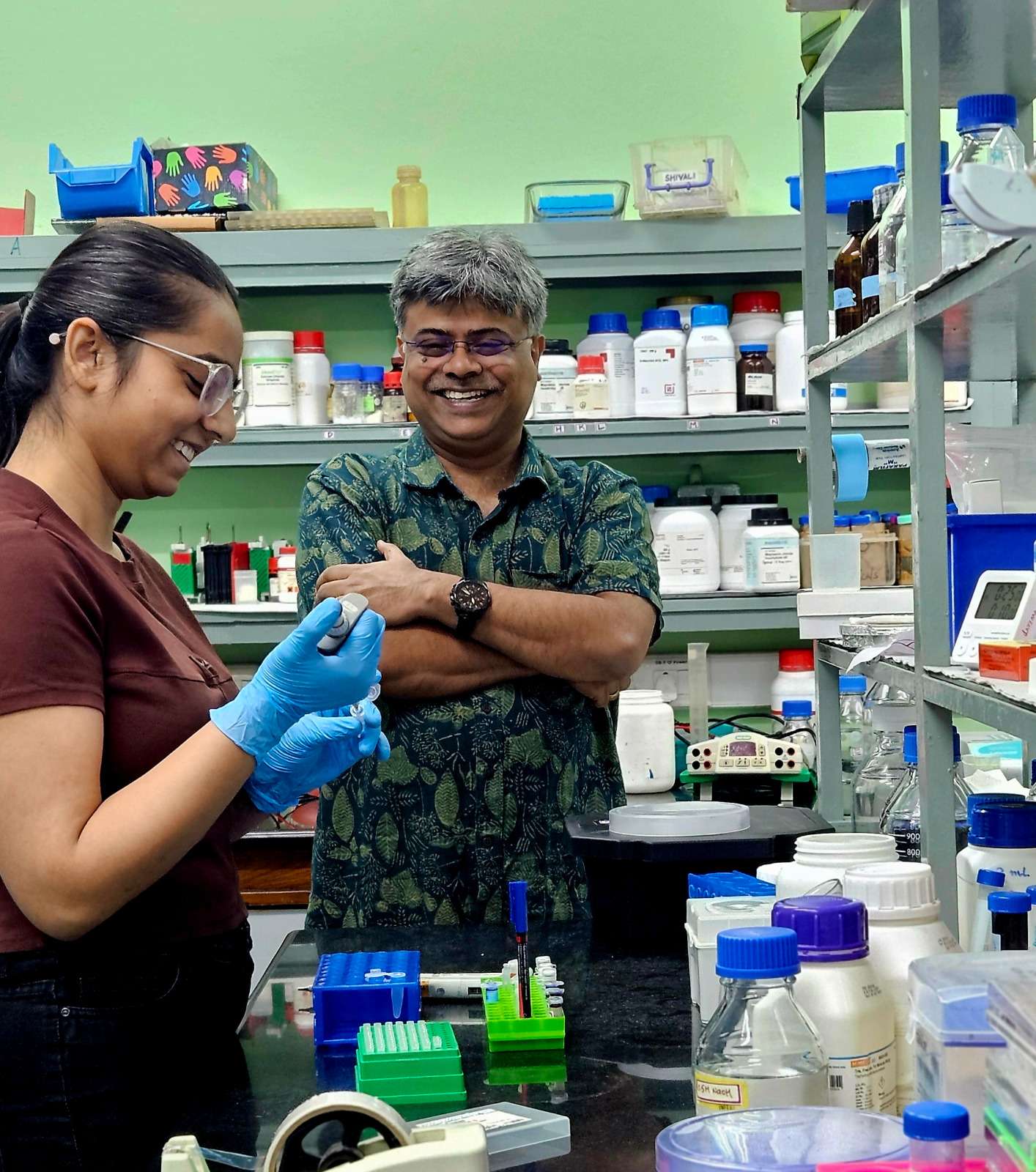
A recent study published in Cell Reports by Dr. Swasti Raychaudhuri’s laboratory at the CSIR-Centre for Cellular and Molecular Biology (CCMB), Hyderabad, provides new insights into how RNA virus infections may influence a molecular process associated with neurodegeneration.
The researchers focused on alpha-synuclein (α-Synuclein), a protein closely associated with Parkinson’s disease. Under certain conditions, α-Synuclein molecules can aggregate into amyloid clumps in the brain. Such abnormal protein deposits can interfere with communication between neurons and impair their normal functioning.
The study examined how infection by RNA viruses, including influenza and SARS-CoV-2, could influence the formation of these aggregates.
RNA viruses carry their genetic information as RNA rather than DNA. Importantly, viral RNA is not simply a linear strand of genetic material. It can fold into complex secondary structures, including structures known as RNA G-quadruplexes (rG4s).
The CCMB researchers found that these viral RNA structures can interact with α-Synuclein and accelerate its aggregation into amyloid-like structures. This offers a possible molecular explanation for how an RNA viral infection could influence a process associated with Parkinson’s disease.
But the study also identified an important cellular defence mechanism.
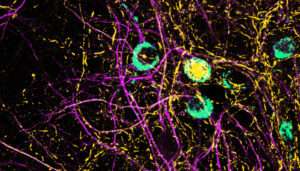
When a cell is infected, a helicase protein called DDX39A, normally located in the nucleus, is released into the cytoplasm. There, it can interact with both α-Synuclein and the viral rG4 structures. DDX39A can unwind these specialised RNA structures, thereby disrupting an element that the virus needs for efficient replication.
“The virus fails to replicate with its RNA structures dismantled, and thus, the viral load in the cells decreases,” explained Aanchal, the first author of the study. The unwinding of the viral RNA structures also appears to slow the formation of α-Synuclein amyloid aggregates.
The findings highlight a delicate molecular balancing act inside infected cells. The same interactions between viral RNA, cellular proteins and α-Synuclein can produce different outcomes depending on the circumstances.
“Even if there are protective mechanisms in the cells to prevent viral infections and avoid amyloid formation, there are situations that favour one kind of reaction more than the other,” said Dr. Raychaudhuri. “These decide the final outcomes in cells, and sometimes amyloid formation is accelerated in virus-infected cells.”
The researchers stress that not every viral infection will necessarily result in increased amyloid formation or lead to neurodegenerative disease. The study therefore does not establish that influenza or COVID-19 directly causes Parkinson’s disease.
Instead, it identifies a potential molecular pathway through which viral infections could influence protein aggregation, opening a new area for investigation.
The research team is now seeking to understand the finer details of how transient viral infections might produce molecular changes that persist long after the infection has cleared—and whether repeated infections could, over time, alter the balance in ways that increase susceptibility to neurodegenerative disorders.
The possibility that an apparently routine viral infection could leave a molecular footprint relevant to brain health years later remains an important scientific question. The CCMB study provides one more piece of evidence in the effort to understand that complex relationship.