New Delhi: India-US trade ties have seen a string of tariff-related developments since April 2025 amid geopolitical shifts.
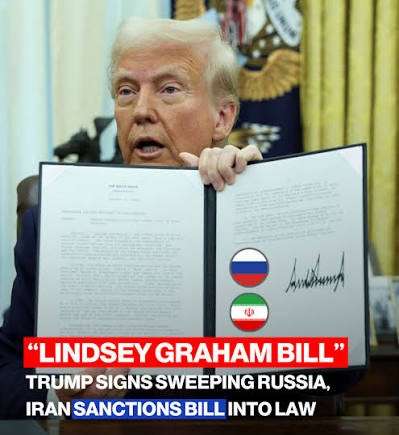
In the latest development, US President Donald Trump has signed a law that seeks to impose steep levies on Russia and its top energy buyers, including China and India.
Here is a chronology of key tariff-related developments between the two countries, including major duty announcements.
The two countries also agreed to work towards a limited trade deal and set a target of doubling bilateral trade to $500 billion by 2030.
April 2025
Two months later, the US decided to impose a 26% tariff on several Indian imports. However, Trump later paused the implementation for 90 days, during which a 10% duty was imposed on all imports from India.
July 2025
Two months later, the situation changed again as Trump decided to impose a 25% tariff on all Indian products imported into the US. He did not stop there. A month later, the tariff was increased to 50%.
India reacted strongly to what it called an “unfair” tariff, saying it had every right to defend its national interests. The Trump administration was unhappy with India’s continued purchase of Russian oil, even though New Delhi maintained that it remained firmly committed to ensuring the energy security of its 1.4 billion people.
February 2026
This period saw India-US relations ease somewhat, as the US decided to lower the tariff on Indian imports to 18% in exchange for India halting Russian oil purchases and reducing trade barriers. The two countries also released a framework for a trade deal.
Later, the US Supreme Court struck down Washington’s emergency tariffs, following which Trump announced a temporary 10% duty on India and other countries for 150 days.
July 2026
After the 150-day period ended, Trump announced a fresh 10% tariff on Indian imports. The US cited India’s continued imports of goods allegedly made using forced labour as the reason for the move.
September 2026
The US House of Representatives passed a sanctions and tariff bill intended to increase economic pressure on Russia over its invasion of Ukraine and expand sanctions on Iran.
The legislation also authorised Trump to impose tariffs of up to 100% on goods from countries including India to reduce their dependence on Russian oil and gas.
India, in reply to the clearance of the sanctions bill, has said that it had warned Washington that such moves could impact bilateral ties, adding that it would work with trade and industry bodies to address the bill’s implications.