MS Sparsha
Long before fintech companies popularised “Buy Now, Pay Later” and banks aggressively marketed Equated Monthly Installments (EMIs), one visionary entrepreneur from Tamil Nadu had already discovered a far more powerful form of credit—trust.
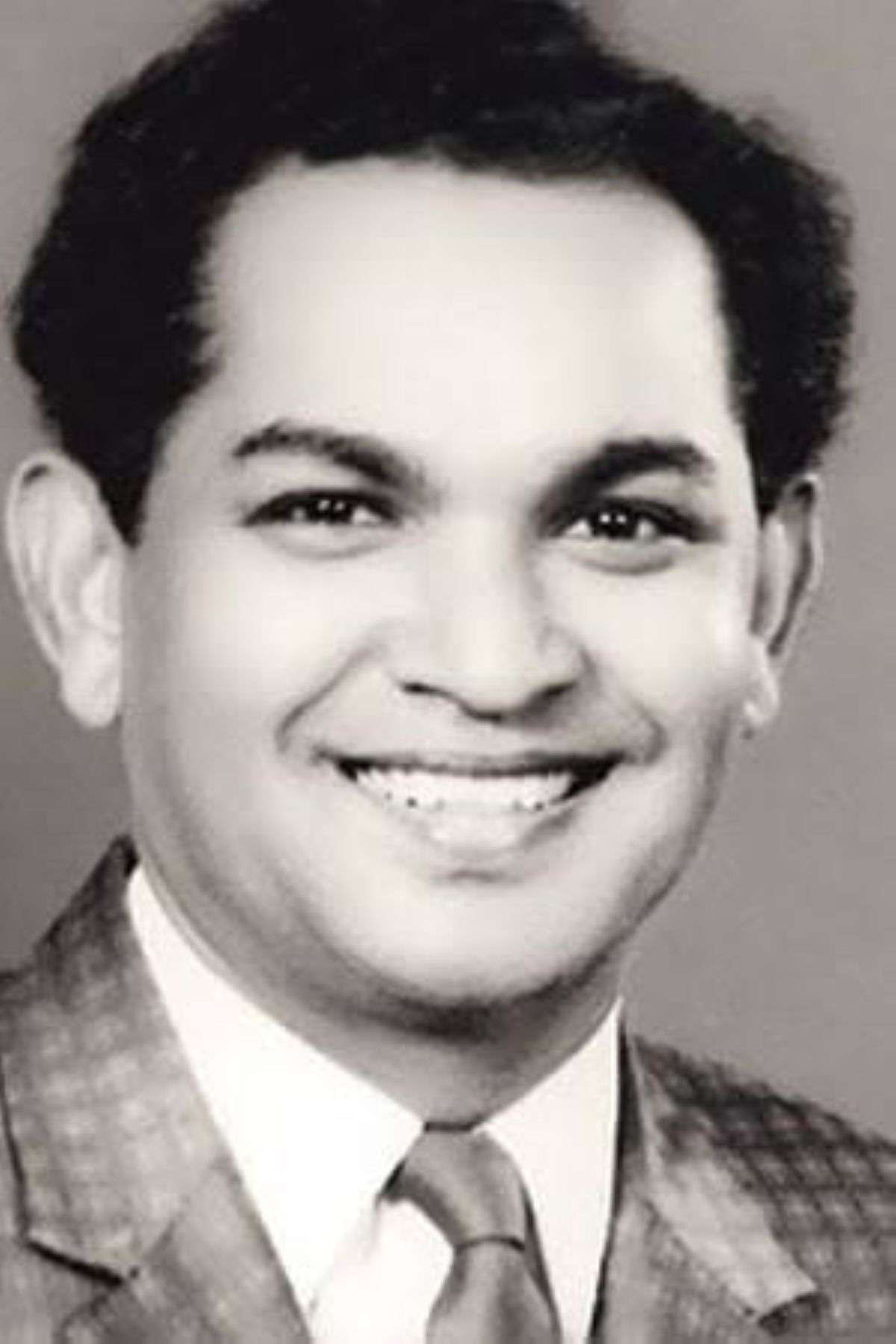
His name was Veraputhra Gnanadraviam Rajadas Panneerdas, better known as V.G. Panneerdas, the founder of the VGP Group. His journey from a penniless orphan to one of South India’s most respected businessmen remains one of independent India’s most inspiring yet underappreciated success stories.
Born into a poor family in Tirunelveli district, Panneerdas left his drought-hit village in the 1940s with little more than ₹25 in his pocket and an unshakable determination to build a better life. Barely a teenager, he arrived in Madras (now Chennai), hungry, homeless and with no one to turn to.
His first job was at a ration shop in Saidapet, where he swept floors, cleaned utensils and performed every odd task assigned to him. At night, with no place to stay, he slept on empty gunny bags inside the shop. Every rupee he earned was carefully saved.
Years of relentless hard work eventually enabled him to start a modest tea stall while simultaneously selling newspapers with his brother. By the mid-1950s, he had managed to open a tiny watch shop selling alarm clocks, wall clocks and wristwatches.
That was when he encountered a challenge that would shape his life’s mission.
In those days, owning even a wristwatch, bicycle or radio was beyond the reach of most working-class Indians. Such products were considered luxuries reserved for the affluent. Daily wage earners, clerks and small traders could admire them in shop windows but rarely dream of owning them.
Panneerdas looked at the problem differently.
Instead of seeing customers without purchasing power, he saw hardworking people who deserved an opportunity.
He introduced a simple but revolutionary idea—hire purchase.
A customer could take home a product immediately and repay the cost in small weekly instalments. There were no banks, no credit scores, no collateral, no complicated paperwork. Often, all that backed the transaction was a signature—or even a thumb impression—in a handwritten ledger.
Many believed the idea would ruin him financially. Friends and competitors warned that customers would simply disappear without paying.
They were wrong.
The overwhelming majority honoured their commitments, proving that trust could sometimes be a stronger guarantee than paperwork. That confidence between seller and customer became the foundation of a thriving business.
As word spread, demand grew rapidly. The small watch shop expanded into larger showrooms offering bicycles, sewing machines, fans, refrigerators and a wide range of household appliances. Over time, VGP became one of South India’s most recognisable retail brands, bringing modern consumer goods within the reach of middle- and lower-income families.
Panneerdas later extended the same philosophy to real estate. Through affordable housing plots sold on easy instalments, countless families who believed land ownership was beyond their means found a realistic path to owning property.
His contribution went beyond commerce. He helped popularise the idea that access to quality products and property should not be determined solely by one’s immediate financial capacity. Responsible credit, built on mutual trust, could transform ordinary lives.
Today, digital platforms process loans in seconds using algorithms, artificial intelligence and credit histories. Yet the underlying principle remains remarkably similar to the one Panneerdas practised decades ago: empower people by making ownership accessible.
V.G. Panneerdas did not merely build a successful business empire. He built confidence among ordinary Indians that they, too, could aspire to own the comforts of modern life. His greatest investment was never in merchandise or property—it was in people.
In celebrating India’s entrepreneurial pioneers, V.G. Panneerdas deserves to be remembered as an unsung hero who proved that trust, when combined with vision and integrity, can become the strongest currency of all.