
Special Correspondent
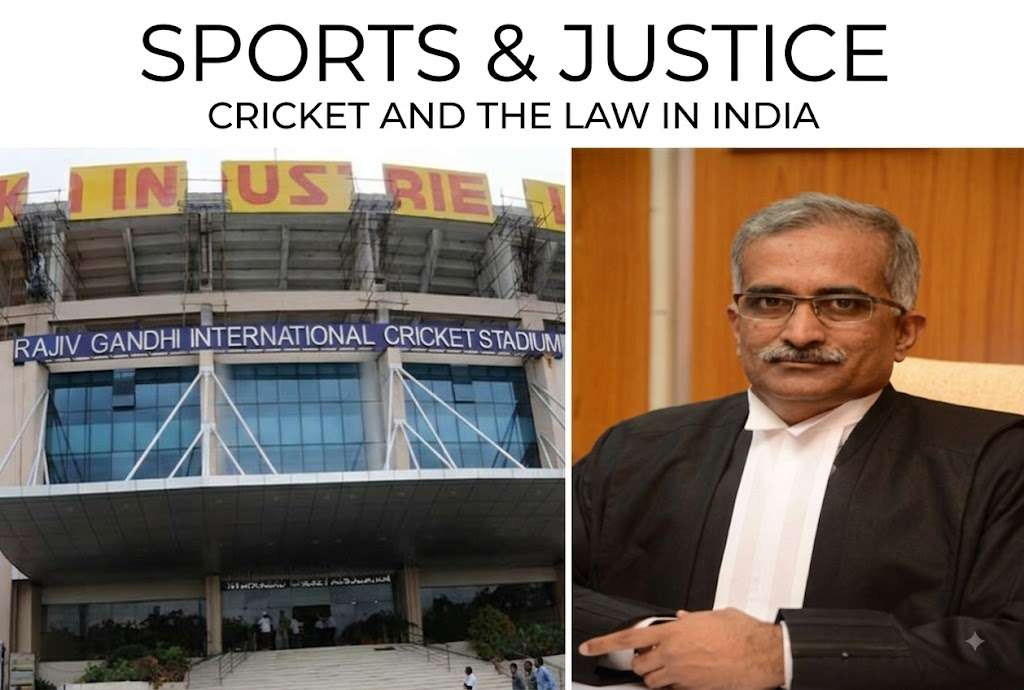
Hyderabad Cricket Association (HCA), an institution that has seldom stayed away from controversy over the last decade, appears to be heading into yet another turbulent phase.
This e-paper has accessed two confidential documents received from an anonymous overseas number, exposing what appears to be an escalating internal confrontation within the HCA’s highest decision-making body—the Apex Council. While the source remains unknown and the authenticity of the documents is being independently verified, the contents mirror the growing whispers within cricketing circles that all is far from well inside the state’s premier cricket body.
At the heart of the latest controversy lies not merely a disagreement over the appointment of selection committees, but a much deeper battle for administrative control, political influence, and institutional supremacy.
A tale of two power centres
Senior stakeholders familiar with developments within the Association describe the present scenario as one of two competing power centres. One faction is believed to enjoy the patronage of an influential Minister in the ruling Congress government, while another group reportedly draws strength from a senior cricket administrator said to have access to the highest political corridors in the State.
Whether these political equations are real or merely perceptions is difficult to establish. Yet few within HCA deny that the Association today is sharply divided into rival camps. As one senior observer remarked, “It is a classic case of two swords trying to fit into the same sheath.” The consequences of this rivalry are now beginning to surface publicly.
Treasurer challenges Secretary
The immediate trigger for the fresh controversy is a detailed representation submitted by the HCA Treasurer to the High Court-appointed supervisory authority headed by a retired judge entrusted with overseeing reforms within the Association. The Treasurer has questioned the legality of the Secretary’s decision to constitute various selection committees for the 2026-27 domestic season, alleging the appointments violate both the HCA Memorandum and Rules as well as BCCI’s governance framework. The letter reportedly urges the authority to declare the appointments “null and void.”
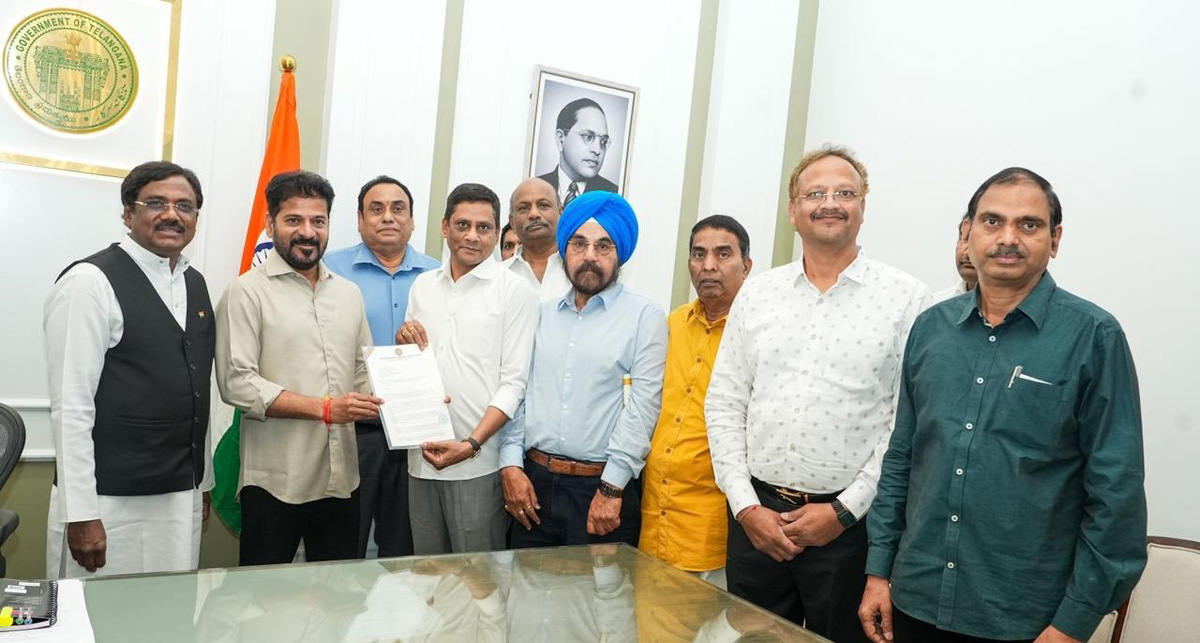
What makes the development politically significant is that the challenge has come not from outside the Association but from one of its own constitutional office-bearers.
Where does Ambati Rayudu fit in?
Soon after assuming office, the HCA Secretary reportedly appointed former India cricketer Ambati Rayudu as Chief Administrator for cricketing affairs, ostensibly to separate cricket administration from politics and restore professionalism in player development, talent identification and selections. For many former players, the appointment symbolised an attempt to bring credibility back into cricket administration—ironic, given that Rayudu himself was once seen as a victim of Hyderabad cricket’s factional politics, with repeated administrative conflicts and alleged favouritism having pushed him to build his first-class career elsewhere.
But the transition from rebel to administrator appears incomplete. Rayudu’s own conduct since taking charge has done little to dispel the perception that he remains more comfortable as an insurgent voice than as an institution-builder. Questions are increasingly being raised within HCA circles about the visibility—or absence of it—of his team in TG20 and other forums where their presence was expected as part of the reform mandate. For a Chief Administrator brought in specifically to professionalise cricket operations, the optics of staying on the margins rather than actively steering the tournament and its structures have not gone unnoticed and are beginning to feed the very narrative of drift that his appointment was meant to end.
What the Rules actually say
The Treasurer’s complaint rests on HCA Bye-law provisions governing Cricket Committees: selection panels must consist exclusively of former players meeting minimum First-Class, Test or ODI experience thresholds, retired for at least five years, and appointed through a Cricket Advisory Committee of reputed former internationals. These committees also carry responsibilities beyond team selection—talent scouting, coaching structures, academy development. The complaint alleges these procedures were bypassed in constituting this season’s committees, along with transparency obligations requiring publication of committee compositions, audited accounts, and governance decisions on HCA’s website.
Supporters of the Secretary hit back
Not everyone agrees. Several former cricketers and neutral observers credit the Secretary for reviving cricketing activity after years of drift, pointing to initiatives like TG20 and the decision to hand cricket operations to former professionals rather than non-cricketing administrators. In their view, resistance stems less from procedural concern than from entrenched interests losing ground. As one former player put it, “for years, Hyderabad cricket was controlled not by cricketers but by power brokers.”
Persistent criticism of past administrations—private academies allegedly influencing selections and coaching appointments over merit—forms the backdrop to this defence. Supporters argue vested interests now see reform as a threat; critics counter that reform cannot bypass constitutional safeguards.
Governance versus reform
That is the central dilemma before the supervisory authority: can procedural irregularities be overlooked in the name of reform, or must even well-intentioned change adhere strictly to the constitution? The answer will define not just the legality of the current selection committees but the limits of administrative authority under the ongoing supervisory framework.
The road ahead
As has happened repeatedly in recent years, administrative battles once again threaten to overshadow the game itself—young players uncertain, selectors mired in controversy before picking a team, district associations watching anxiously. The divisions within the Apex Council are no longer confined to closed-door meetings; they are now in the public domain. Whether this becomes another chapter in HCA’s long history of factional politics, or finally forces genuine institutional reform will determine whether Hyderabad cricket moves forward—or stays trapped in litigation and administrative warfare. For an Association that has spent years promising transparency and clean governance, the coming weeks may be its biggest credibility test yet.