Ramu Chelimella
For centuries, Indian families viewed the upbringing of a daughter as a sacred responsibility. Parents and grandparents consciously groomed girls not merely for individual success, but for life’s larger roles—as daughters, wives, daughters-in-law, mothers, and future custodians of family values.
From childhood, girls were taught empathy, sacrifice, relationship management, emotional resilience, respect for elders, financial prudence, and the art of nurturing families. Grandparents played a vital role in transmitting culture, traditions, and wisdom through stories, lived examples, and daily interactions. A daughter’s conduct was often seen as a reflection of her family’s values and upbringing.
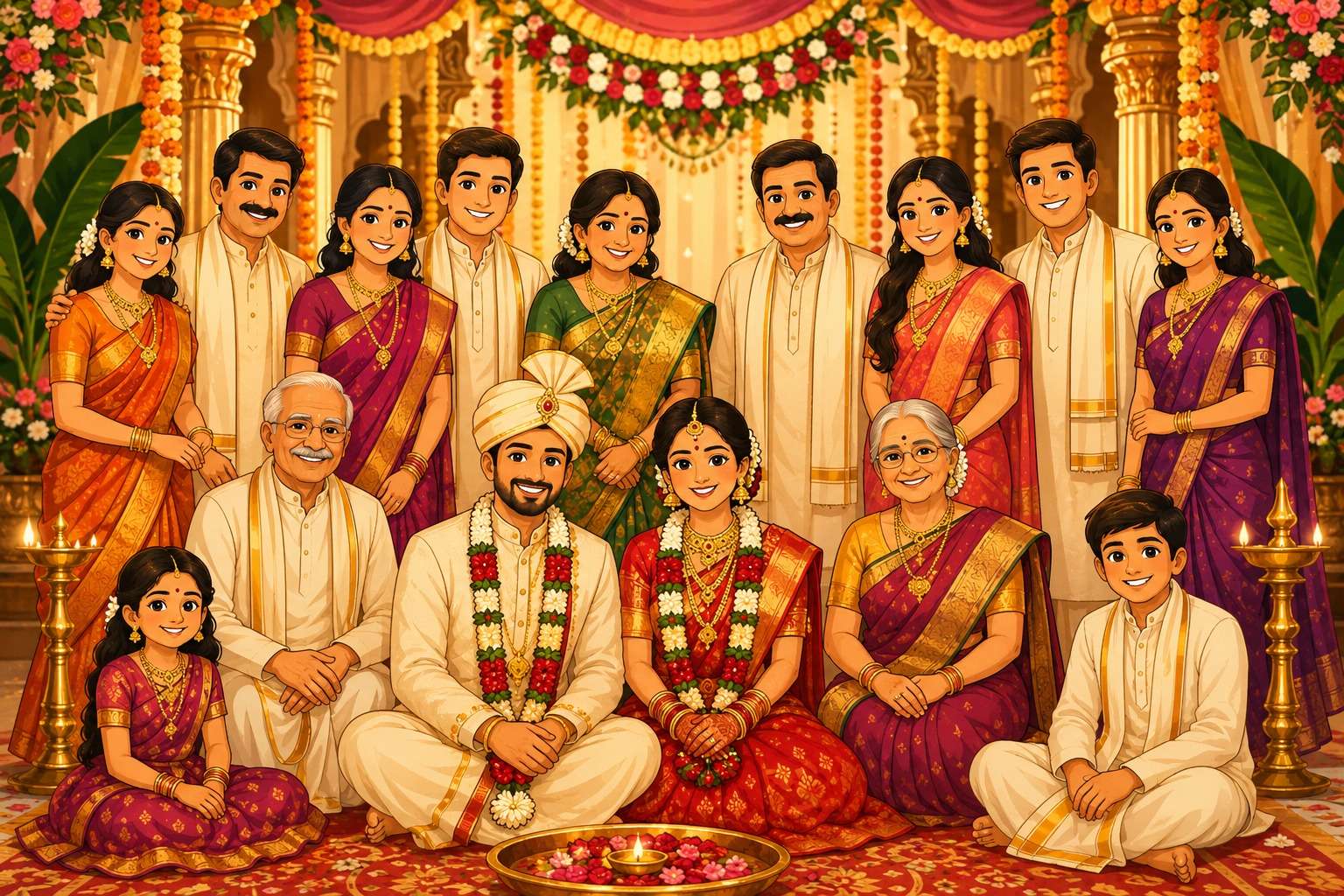
The objective was not to suppress individuality but to prepare young women for the responsibilities that accompany adulthood and family life. Marriage was viewed not merely as a union of two individuals but as the coming together of two families, cultures, and legacies.
Over the past few decades, society has undergone profound transformation. Education, careers, urbanization, financial independence, and individual choice have expanded opportunities for women, which is a positive and welcome development. However, in many households, the transmission of values, responsibilities, and relationship skills has weakened. Some parents, in the name of freedom, have stepped back entirely from preparing children for the realities of long-term relationships, marriage, parenthood, and family commitments.
As a result, society is witnessing new challenges: delayed marriages, rising relationship conflicts, increasing loneliness, declining birth rates, reluctance toward parenthood, and a growing preference for companionship without family responsibilities. While these trends arise from multiple economic, social, and personal factors, they also raise an important question:
Have we focused on rights and freedom while paying insufficient attention to responsibility, commitment, and relationship-building?
The answer does not lie in returning to the past nor in abandoning tradition altogether. The need of the hour is balance—raising daughters and sons alike with confidence and independence, while also equipping them with emotional maturity, family values, resilience, and the ability to sustain meaningful relationships.
Civilizations endure not merely because individuals succeed, but because each generation successfully transfers values, responsibilities, and wisdom to the next. The challenge before modern families is to build a bridge between freedom and responsibility, individuality and family, aspiration and commitment.
That balance may well determine the strength of families and societies in the decades ahead.