Special Correspondent
The crisis engulfing the Hyderabad Cricket Association (HCA) appears to be deepening even as the controversial TG-20 tournament continues amid allegations of procedural irregularities and alleged violations of HCA and BCCI regulations.
The unfolding developments have once again highlighted what many stakeholders describe as a peculiar feature of HCA’s functioning. Over the years, the membership has appeared largely unmoved by allegations of corruption, scandals, arrests, governance failures, delayed leagues, and even basic administrative shortcomings such as the non-circulation of AGM minutes. Most of the time, there appears to be little collective outrage or demand for accountability.
However, the situation often changes dramatically when independent oversight, monitoring mechanisms, or attempts at institutional reform are introduced. Efforts to improve transparency, strengthen governance, and bring greater accountability frequently encounter strong resistance from sections of the establishment.
Critics argue that this reflects a deeper cultural issue within the association, where personalities and influence sometimes command greater allegiance than systems and institutions. If that perception is correct, the present controversy may be about far more than a legal challenge—it may represent yet another battle between accountability and the entrenched interests that have long shaped Hyderabad cricket.
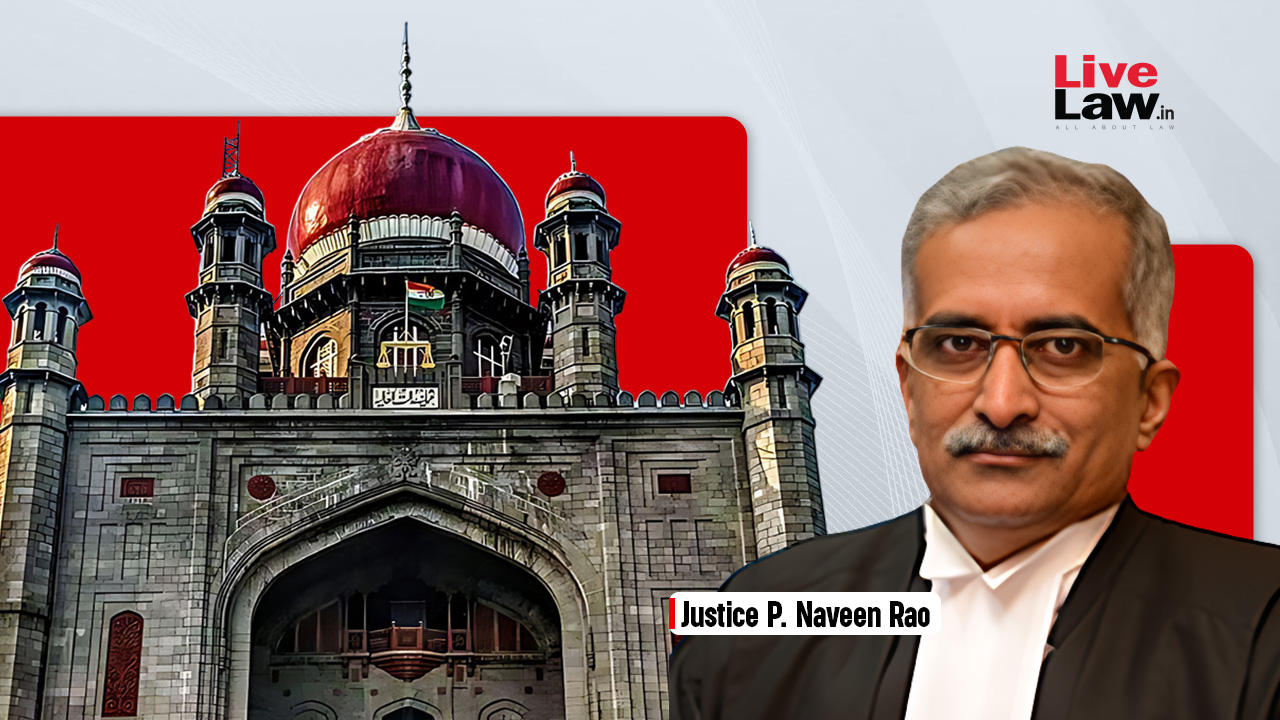
The latest development has added another layer of complexity. According to reports, a senior member of the present Apex Council, a former HCA president and an unsuccessful contestant in the recent elections, along with two affiliated clubs, has approached the Telangana High Court seeking the removal of the retired judge appointed by the court to oversee HCA’s affairs.
The move has generated considerable interest within cricketing circles, particularly because the High Court had, on an earlier occasion, reportedly cautioned an HCA office-bearer against questioning its decisions.
Against that backdrop, several pertinent questions arise. How will the High Court view these fresh petitions? What are the grounds being advanced for seeking the removal of its own appointee? More importantly, will these legal battles further delay long-pending administrative reforms within the association?
Questions are also being raised about alleged conflict-of-interest issues. Stakeholders have previously alleged that certain current and former office-bearers are linked to multiple affiliated clubs, a matter that would require examination under applicable BCCI and HCA regulations if formally adjudicated. In fact, the state High Court has also directed the state police chief to appoint an SIT to go into all allegations pending against the HCA for the past few years.
Meanwhile, women cricketers have expressed concern over delays in preparations for the upcoming domestic season. With tournaments barely two months away, the HCA governing body is yet to announce selectors for various age-group teams.
Why has this crucial exercise been delayed? Are administrative distractions taking precedence over cricketing priorities? Who will be held accountable if player preparation suffers?
Adding to the intrigue are allegations from some stakeholders about the growing influence of a person who currently holds no official position within HCA but is allegedly involved in cricketing decisions by working alongside certain present and former office-bearers. If true, under what authority is such influence being exercised?
Attention has also turned towards one of the petitioners, reportedly linked to a company that had earlier secured compensation through judicial proceedings relating to disputes connected with the Uppal cricket stadium project.
Observers say these developments underline a larger concern: whether HCA’s governance mechanisms are functioning in the interests of cricket or whether vested interests are attempting to regain control.
The retired judge appointed by the High Court was entrusted with extensive powers to oversee day-to-day administration precisely to restore transparency and accountability. Has that oversight become inconvenient for certain stakeholders accustomed to operating without stringent scrutiny?
Separately, the Telangana Cricket Association (TCA) has alleged attempts to poach its women cricketers. It claims to possess call records indicating that some players were contacted by individuals associated with these efforts. These allegations remain unverified and, if pursued, would require appropriate investigation by the competent authorities.
At a time when Hyderabad cricket desperately needs stability, transparency, and administrative focus, the growing litigation and continuing controversies raise troubling questions about the direction in which the association is headed. For players, coaches, and cricket lovers, the issue is no longer about who controls the HCA, but whether the game itself is becoming collateral damage in an endless cycle of power struggles. Unless governance and cricketing priorities are restored to the centre of decision-making, Hyderabad cricket risks paying a far heavier price than any individual office-bearer or faction.