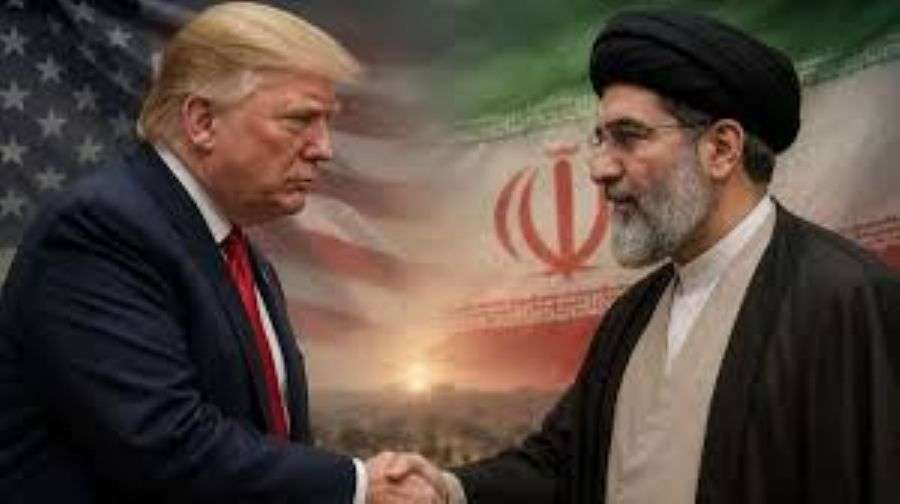
Washington/Tehran: The United States and Iran have agreed on a framework for a peace deal that will extend the current ceasefire for 60 days, marking a significant breakthrough in efforts to de-escalate tensions in the Middle East.
US President Donald Trump announced that he had authorised the immediate removal of the US naval blockade of Iranian ports, while Pakistan Prime Minister Shehbaz Sharif said both sides had agreed to a permanent cessation of hostilities across all fronts, including Lebanon. He added that the official signing ceremony would be held in Switzerland on June 19.
Trump also withdrew an earlier announcement regarding the immediate “toll-free opening” of the Strait of Hormuz, clarifying that the strategic waterway would reopen only after the formal signing of the agreement. Iran’s Supreme National Security Council later confirmed that a Memorandum of Understanding (MoU) had been reached with Washington.
While the complete text of the MoU will be released after Friday’s signing, draft provisions indicate several significant commitments from both sides.
Under the proposed framework, Iran will reopen the Strait of Hormuz to all commercial shipping immediately, while the US Navy will dismantle its blockade within 30 days of the MoU’s signing.
The United States, along with its regional allies, will release approximately $24 billion in frozen Iranian assets, refrain from imposing new sanctions until a final agreement is reached, temporarily waive certain oil-related sanctions and initiate negotiations for a reconstruction and development package reportedly valued at $300 billion.
The agreement also envisages a phased US military withdrawal from areas surrounding Iran.
In return, Iran has agreed not to pursue nuclear weapons and to maintain the current status of its nuclear programme by halting any further uranium enrichment pending negotiations for a comprehensive agreement within the 60 days.The
Beirut strike accelerated negotiations
The breakthrough came amid heightened tensions following an Israeli Defence Forces strike on Beirut, which prompted Iran to prepare a retaliatory response.
Iranian Parliament Speaker Mohammad Bagher Ghalibaf warned that Washington would have to honour its commitments if peace efforts were to succeed.
President Trump quickly distanced himself from the Israeli action, saying the attack “should not have happened”, particularly at a time when both sides were “so close to a peace deal”. He also called for an immediate halt to attacks by both Israel and Hezbollah.
Observers believe the Israeli strike may have accelerated the White House’s decision to immediately lift the naval blockade instead of waiting for the originally proposed 30-day period after the signing of the MoU.
The removal of the blockade had been a longstanding Iranian precondition for substantive negotiations and was repeatedly rejected by US officials during the ceasefire period. In response to the latest developments, Iran refrained from launching retaliatory strikes against Israel, though it stopped short of committing to an unconditional reopening of the Strait of Hormuz.
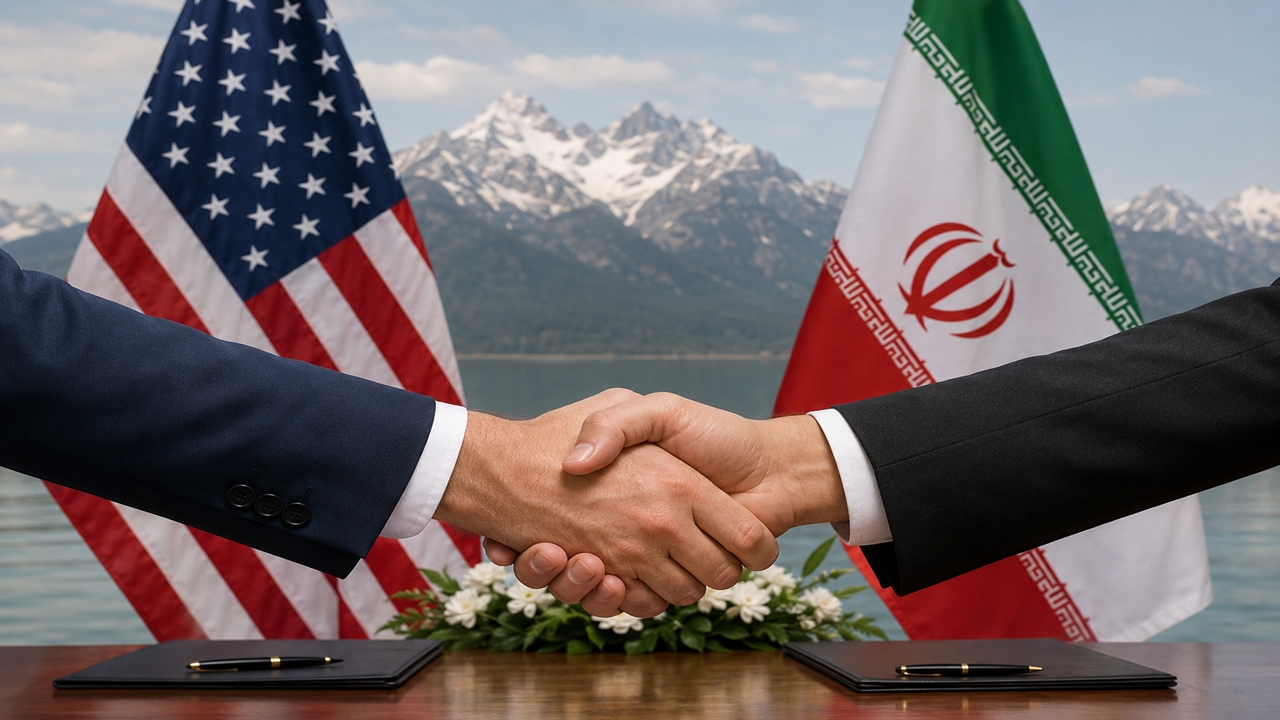 "US, Iran Agree on 60-Day Peace Framework; Formal Signing Set for June 19 3 OrangeNews9")
Nuclear issue deferred
The emerging framework effectively postpones a final resolution of the nuclear issue while preserving the existing status quo.
Analysts note that the recent US-Israeli military campaign did not fully achieve its strategic objectives and, in some respects, strengthened Iran’s geopolitical leverage.
Before the conflict, Washington relied primarily on economic sanctions and pressure on Iran’s nuclear infrastructure to influence Tehran’s decisions. Significant damage had been inflicted on Iranian facilities at Natanz, Isfahan and Fordow during Operation Midnight Hammer in June 2025.
However, Iran retained substantial leverage through its strategic position over the Strait of Hormuz and its demonstrated capability to threaten regional military and energy infrastructure using missile and drone systems.
Iran reportedly struck nearly twice as many targets as the US and Israel during the ceasefire period that began on April 8, reinforcing its negotiating position.
As a result, analysts suggest that the 60-day implementation and verification phase may become a more critical test of long-term stability than the eventual comprehensive nuclear agreement itself.
Iran’s previous compliance with the Barack Obama-era Joint Comprehensive Plan of Action (JCPOA) and UN Security Council Resolution 2231 is being cited as evidence of Tehran’s willingness to honour nuclear commitments. That agreement unravelled after President Trump withdrew the United States from the deal in 2018.
The latest understanding reportedly includes even stricter commitments from Iran, including maintaining zero expansion in enriched uranium stockpiles during the negotiation period.
Domestic concerns in Iran
Despite the diplomatic breakthrough, the MoU has generated scepticism among hardline factions within Iran.
Some political groups argue that concessions relating to the Strait of Hormuz could weaken Iran’s newly acquired geopolitical leverage and limit Tehran’s negotiating flexibility on future nuclear talks.
These constituencies have previously accepted nuclear-related concessions under Supreme Leader Ali Khamenei, including agreements reached during the Obama administration and advanced negotiations that nearly concluded earlier this year under the second Trump administration.
The coming 60 days are therefore expected to serve as a crucial test not only of US-Iran relations but also of the durability of the broader regional peace process.