



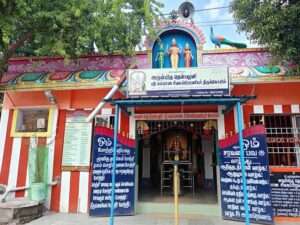
Then Palani Murugan Kovil is a revered Murugan temple located in Senneer Kuppam near Poonamallee in the western part of Chennai, Tamil Nadu. The shrine is especially cherished by devotees who seek the blessings of Palani Murugan without undertaking the long pilgrimage to Palani.
Then Palani Murugan Kovil is a relatively modern temple compared to the ancient Murugan shrines of Tamil Nadu. The temple was established through the devotion and collective efforts of local residents who wished to create a sacred space dedicated to Lord Murugan in his Palani Dhandayuthapani form. Over the years, it has evolved into a prominent center of worship, attracting devotees seeking divine guidance, protection, and spiritual fulfillment.
The presiding deity is Lord Murugan, worshipped as Sri Dhandayuthapani Swamy, the same ascetic form enshrined at the famous Palani Temple. Holding the sacred staff (Dhandam), Murugan symbolizes renunciation, self-discipline, wisdom, and spiritual enlightenment. Devotees believe that worshipping the Lord here removes obstacles, grants courage, improves educational and career prospects, and blesses families with harmony and prosperity.
The temple follows a simple Dravidian style of architecture. The sanctum sanctorum houses Lord Dhandayuthapani in a serene posture, creating a deeply devotional atmosphere. Though modest in size, the temple reflects the spiritual aesthetics commonly associated with Murugan temples across Tamil Nadu and provides a peaceful environment for worship and meditation.
The temple derives its spiritual inspiration from the renowned Palani Murugan tradition. As devotion to Lord Murugan grew among the residents of Senneer Kuppam and nearby areas, a desire arose to establish a local shrine where devotees could experience the grace of Palani Andavar. This led to the consecration of Lord Murugan in the form of Dhandayuthapani, making the temple an important center of Murugan worship in the region.
The name “Then Palani” translates to “Southern Palani,” reflecting the belief that devotees can receive the blessings of Palani Murugan at this sacred shrine. Over time, the temple became a focal point for religious gatherings, special poojas, and Murugan festivals, strengthening its place in the spiritual life of the local community.
Although no officially documented ancient Sthalapurana is presently available specifically for this temple, a traditional local devotional legend is associated with its origin.
Long ago, the region around present-day Senneer Kuppam was known for its fertile lands, groves, and agricultural settlements. The people of the area were ardent devotees of Lord Murugan and often desired to undertake pilgrimages to the sacred hill temple of Palani. However, for many elderly devotees and poor families, such journeys were difficult due to financial limitations and physical hardships.
According to local tradition, an elderly devotee who was deeply devoted to Palani Murugan longed to have darshan of the Lord but was unable to travel because of age and illness. Every day he offered heartfelt prayers, meditated upon Lord Dhandayuthapani, and chanted Murugan’s holy names with unwavering faith.
Moved by his devotion, Lord Murugan is believed to have appeared in the devotee’s dream in the form of Dhandayuthapani Swamy. The Lord reassured him that sincere devotion was more important than physical distance and that his divine presence would bless devotees in their own village.
Inspired by this vision, the villagers gathered together and began worshipping a sacred Vel, the divine spear of Murugan. As devotion grew, a shrine was established and the deity was consecrated in the form of Palani Dhandayuthapani. Over time, the temple became a place where devotees experienced spiritual solace, answered prayers, and divine grace.
Another local belief narrates that the area once faced recurring hardships including poor rainfall, illness, and agricultural difficulties. The villagers united in prayer and sought Lord Murugan’s blessings. Soon favorable rains arrived, crops flourished, and prosperity returned to the region. The people attributed these positive changes to Murugan’s grace and began worshipping him as the guardian deity of the locality.
Because devotees experienced the same spiritual comfort and blessings traditionally associated with Palani Murugan, the shrine came to be affectionately known as Then Palani Murugan Kovil. The temple continues to symbolize faith, devotion, wisdom, and the compassionate presence of Lord Murugan among His devotees.
The temple celebrates major Murugan festivals with great devotion. Thai Poosam is observed with special abhishekams, kavadi offerings, and large gatherings of devotees. Vaikasi Visakam, believed to mark the appearance of Lord Murugan, is celebrated with elaborate rituals and decorations. Skanda Sashti commemorates the Lord’s victory over the demon Surapadman and attracts devotees who observe fasting and participate in special prayers.
Panguni Uthiram and Karthigai Deepam are also celebrated with religious fervor. In addition, monthly Krithigai and Sashti observances draw devotees who seek Murugan’s blessings for health, success, and spiritual progress.


