Lakshmanrao Upadhyayula
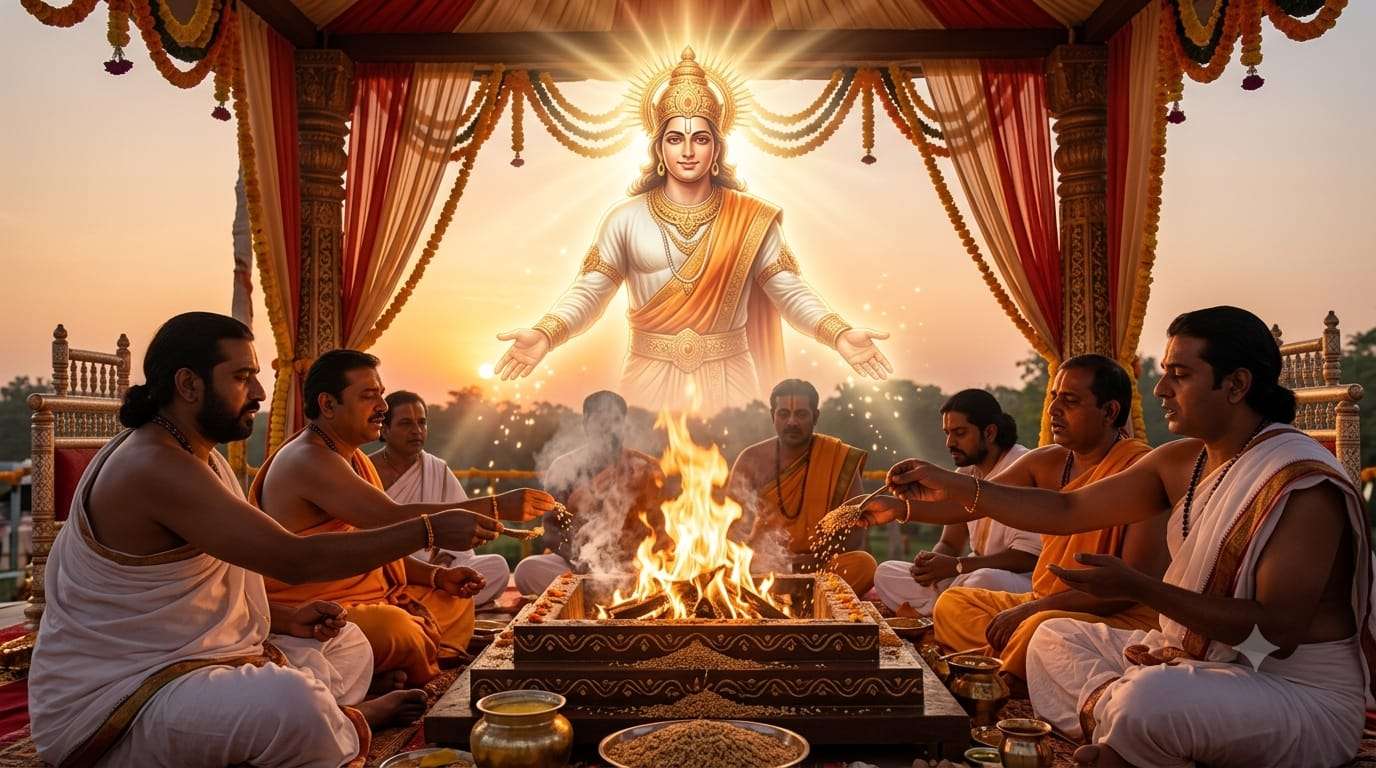
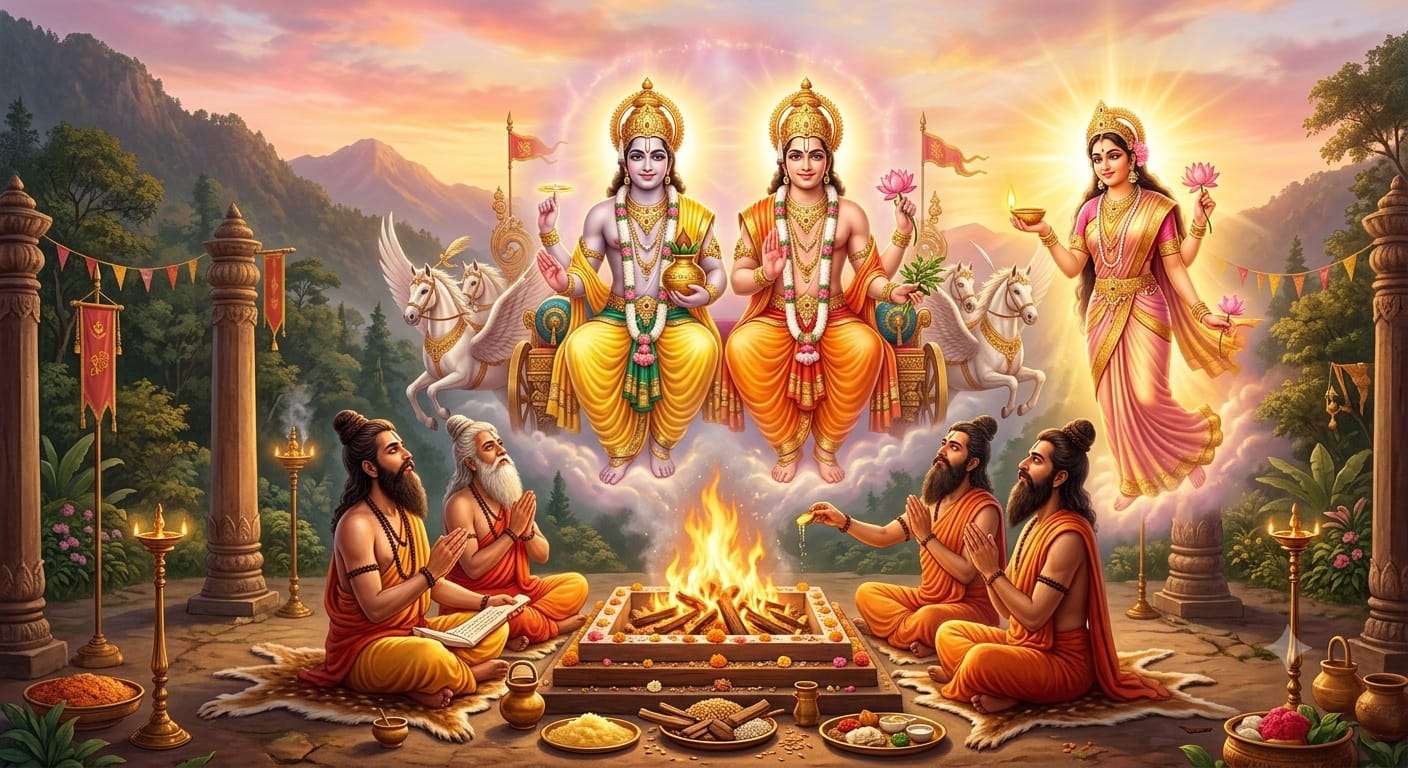
The sage Saunaka Grutsamada, illumined by profound spiritual vision, invoked the mighty Indra through the majestic cadence of the Tristubh metre of the Rigveda. Within the sacred atmosphere of the yajña, where fire, mantra, breath, and consciousness moved in harmonious unity, the Adhvaryu priests diligently prepared the Soma elixir for the divine Lord of celestial power. The purified offerings consecrated through ritual discipline were first entrusted to Agni, the luminous mediator between humanity and the gods, for Agni alone carries the aspirations of mortals into the subtle realms of cosmic intelligence. Indra, the courageous sovereign of awakened force, eternally longs for Soma, not merely as a drink, but as the essence of divine exhilaration, spiritual illumination, and universal vitality. Thus, the priests, understanding the sacred responsibility entrusted to them, invoked blessings upon Indra through offerings sanctified by purity of mind, disciplined action, and reverential devotion.
In the spiritual symbolism of the Vedas, the destruction of the demon Vṛtra by Indra represents far more than a mythological battle. Vṛtra, who obstructed the celestial waters, embodied the forces of ignorance, inertia, fear, and psychological confinement that imprison the flow of consciousness within the human being. When Indra shattered Vṛtra like a tree struck by irresistible force, the imprisoned waters were released, signifying the liberation of life-energy, wisdom, creativity, and spiritual awakening. The hymns therefore urge the Adhvaryus to keep Soma prepared for Indra, for the divine power that destroys obstruction must continually be nourished through sacrifice, discipline, and inner purity. From a scientific temperament, these Vedic images reveal an intuitive understanding of natural principles: the release of waters symbolises the restoration of ecological balance, atmospheric movement, rainfall, and the cyclic renewal essential for life upon earth. Thus mythology, psychology, and environmental insight become united within the poetic vision of the Vedic seers.
The hymns further recount how Indra destroyed the hostile forces represented by Dabhīti and released the cows imprisoned by Bala. In Vedic symbolism, cows are not merely animals but embodiments of rays of knowledge, abundance, nourishment, and enlightened perception. Their captivity signifies the suppression of wisdom by dark and destructive tendencies, while their liberation represents the restoration of truth and prosperity within society and the human mind. Indra spread the influence of Soma everywhere, just as Vāyu spreads movement across the heavens. The comparison of covering Indra with Soma as cloth overlays another garment beautifully expresses the Vedic understanding that divine consciousness is strengthened and expanded through sacred offering, devotion, and harmonious participation in cosmic order. The Soma ritual therefore operated simultaneously upon material, psychological, and spiritual dimensions, integrating human aspiration with the rhythms of the universe.
The Adhvaryus were reminded that Indra had once slain the formidable demon Urāṇa, possessed of nine mighty arms, and cast down Arbuda into destruction. These episodes symbolise the conquest of exaggerated pride, violent ambition, and the many-sided distractions that fragment human awareness. The repeated exhortation to prepare Soma for Indra reflects the perpetual need to nourish the higher faculties within humanity. In the Vedic worldview, divine forces do not remain active through passive belief alone; they are sustained through conscious participation, disciplined ritual, ethical conduct, and the cultivation of elevated states of awareness. Soma itself may also be understood scientifically as representing the transformative effects of sacred plants, medicinal preparations, rhythmic chanting, controlled breathing, and collective ceremonial experience upon human consciousness and emotional harmony. The Vedic sages perceived that altered states of spiritual exaltation could refine perception and strengthen the inner faculties necessary for wisdom and courage.
The hymns declare that Indra destroyed the Dasyu named Aśna, severed the mighty limbs of Śuṣṇa, and slew Namuci and other enemies of divine order. These adversaries symbolise forces of spiritual dryness, greed, cruelty, falsehood, and egoistic domination that threaten both society and the individual soul. By invoking these victories, the seers reminded the participants in the sacrifice that every yajña is also an inward struggle between illumination and ignorance. The offering of nourishment to Indra signifies humanity’s willingness to support truth, justice, and cosmic harmony within the world. Vedic spirituality never separated external ritual from inner transformation; rather, the outer ceremony mirrored the invisible movements occurring within consciousness itself.
The mighty Vajra of Indra shattered the fortified dwellings of Śambara and annihilated the immense hosts of Varchin. These dramatic expressions reveal the Vedic admiration for the triumph of disciplined intelligence over entrenched negativity and chaos. The thunderbolt of Indra symbolises concentrated awareness, moral strength, and decisive spiritual insight capable of breaking even the strongest fortresses of ignorance. The repeated preparation of Soma by the priests reflects the continuity of sacred effort required to sustain civilisation itself. From a deeper cultural perspective, these hymns reveal how the Vedic people perceived the universe as an interconnected organism governed by Ṛta, the cosmic order that harmonises natural law, ethical conduct, and divine intelligence.
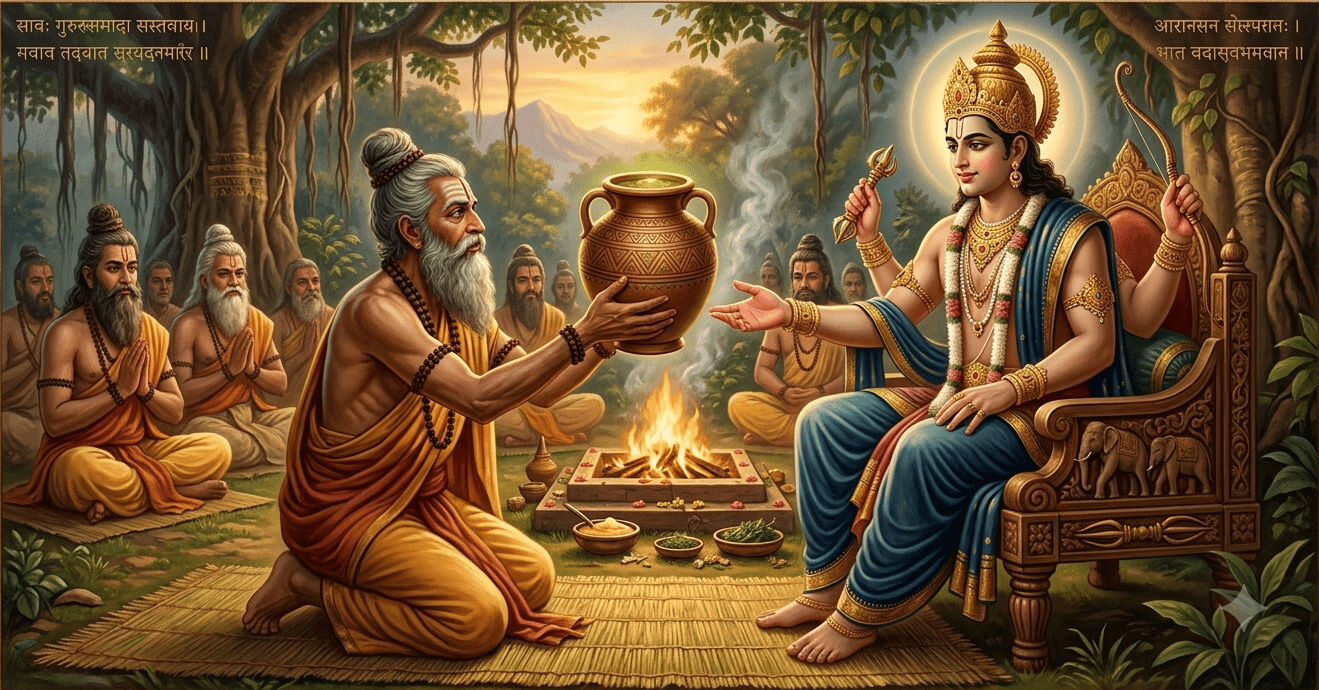
The Adhvaryus were instructed to prepare Soma carefully, stirring it by hand with devotion and precision, for the offering was not a mechanical act but a sacred science requiring purity, concentration, and spiritual sensitivity. The clear waters mixed with Soma symbolised the purification of consciousness itself. Indra, delighted by offerings made with sincerity, was believed to accept the Soma directly from the hands of devoted priests. Such imagery reflects the Vedic conviction that divinity responds not merely to outward ritual but to the inner quality of intention. Even scientifically, the disciplined collective performance of ritual strengthens social cohesion, emotional synchronisation, memory transmission, and psychological resilience within a community. The yajña therefore functioned simultaneously as spiritual worship, cultural preservation, ecological invocation, and collective mental refinement.
The seer finally compares the abundance of milk within cows to the fullness with which Indra should be replenished through Soma. The Soma offered was described as pure and non-toxic, demonstrating an awareness of careful preparation and sanctification. The sage declares his understanding of Soma’s true nature, subtly suggesting that spiritual wisdom transcends superficial ritualism. Indra, Lord of heaven, earth, and the intermediate space, is invoked to be filled with Soma just as reservoirs are filled with life-giving waters. This image magnificently unites cosmic symbolism with practical human experience, reflecting the Vedic tendency to perceive sacred meaning within every process of nature. The prayer culminates in a longing not merely for material riches, but for wealth that is usable, enduring, righteous, and spiritually elevating.
The hymn concludes with a vision of continuity across generations. The worshippers pray that they may gather in the sacred halls of yajña with their children and grandchildren, singing hymns of praise while enjoying prosperity granted through divine harmony. Such wealth was never conceived merely as accumulation, but as a state of flourishing sustained by wisdom, ethical living, social stability, reverence for nature, and spiritual awareness. In this profound Vedic vision, the yajña becomes the living bridge between humanity and the cosmos, between scientific observation and mystical insight, between material existence and eternal consciousness. Through Soma, sacrifice, mantra, and disciplined action, the human being participates in the unfolding rhythm of universal order, seeking not only prosperity, but illumination of the soul itself.