



Nritya Ganapati Temple is situated within the ancient Baijnath Temple Complex in Bageshwar District, Uttarakhand. The temple complex stands on the picturesque banks of the Gomati River amidst the Kumaon Himalayas. Baijnath is located about 19 km from Kausani and is one of the most important groups of medieval temples in the state.
The shrine forms part of the Baijnath Temple Complex, which was built by the Katyuri kings between the 9th and 12th centuries CE. The image of Nritya Ganapati is therefore estimated to be around 800 to 1,000 years old and is regarded as one of the finest examples of medieval Himalayan temple sculpture.
The presiding deity is Lord Ganesha in the rare form of Nritya Ganapati, meaning “Dancing Ganesha.” Unlike the commonly seen seated form, the deity is depicted in a graceful dancing posture. This form symbolizes joy, wisdom, auspicious beginnings, and the cosmic rhythm that sustains the universe. Devotees worship Nritya Ganapati for success, knowledge, prosperity, and the removal of obstacles.
The shrine is part of the Baijnath Temple Complex, which is built in the Nagara style of North Indian temple architecture. The temples are constructed from finely dressed stone and feature elegant carvings, sculpted doorways, and beautifully proportioned shikharas. The Nritya Ganapati image is a masterpiece of Katyuri craftsmanship, displaying intricate ornaments, expressive features, and a dynamic dancing posture that reflects the artistic excellence of the period.
Baijnath was an important religious and cultural center during the reign of the Katyuri dynasty, which ruled much of the Kumaon region. The Katyuri rulers were great patrons of temple construction and commissioned numerous shrines dedicated to Shiva, Vishnu, Devi, Surya, and Ganesha. The Baijnath Temple Complex became a prominent center of pilgrimage and worship in the central Himalayas. The Nritya Ganapati sculpture has survived for centuries as a remarkable example of the kingdom’s devotion and artistic achievement.
According to the local temple tradition, it is said that when the Katyuri kings decided to establish a grand temple complex on the banks of the Gomati River, they sought divine blessings to ensure that the sacred project would be completed without obstacles. Following the age-old Hindu custom, Lord Ganesha was invoked first before the commencement of the temple construction.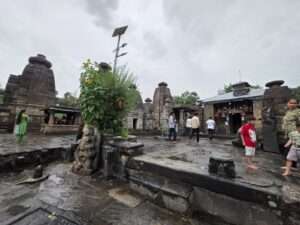
As the work progressed, the sculptors and artisans dedicated themselves to creating images worthy of the gods. Among these, they carved a unique image of Lord Ganesha in a dancing posture. The dancing form was chosen to symbolize divine joy, prosperity, and the harmonious movement of the cosmos. The artisans believed that the blessings of this form of Ganesha would bring success to all spiritual and worldly endeavors.
Over time, pilgrims visiting Baijnath began offering prayers to Nritya Ganapati before entering the main shrines of the complex. The practice reflected the traditional belief that no sacred act should begin without first seeking the blessings of the remover of obstacles. Devotees came to regard the dancing Ganesha as a symbol of auspicious beginnings, wisdom, and divine grace.
The ancient image continues to inspire devotees today. Its graceful posture reminds worshippers that spiritual life is not merely about discipline and devotion but also about celebrating the joy of divine presence. Thus, the Nritya Ganapati shrine remains an important part of the sacred heritage of Baijnath and the Kumaon Himalayas.
Ganesh Chaturthi is the principal festival celebrated at the shrine. Special worship is also conducted during Vinayaka Chaturthi, Sankatahara Chaturthi, and major festivals observed throughout the Baijnath Temple Complex. Devotees visit the shrine throughout the year to seek Lord Ganesha’s blessings for wisdom, prosperity, success, and the removal of obstacles.

