



Shubh Navaratri Day-6
॥ Om Devi Katyayanyai Namah ॥
॥ Chandrahasojjvalakara Shardulavaravahana।
Katyayani Shubham Dadyad Devi Danavaghatini ॥
The sixth day of Shardiya Navaratri is dedicated to Goddess Katyayani, the sixth manifestation of Goddess Durga. She represents courage, divine power, and the destruction of evil. Devotees worship her for protection from fear, removal of obstacles and blessings for a prosperous life.
The Katyayani Devi Temple in Varanasi is a place of Shakti worship in the sacred city of Varanasi. Its exact age and founding date are not firmly established. Devotees visit the shrine to seek the blessings of the Goddess, particularly during Navaratri.
Goddess Katyayani is traditionally depicted with a golden complexion, three eyes and four arms. She carries a sword and a lotus, while her other two hands display gestures of blessing and protection. Riding a lion or tiger in traditional depictions, she symbolises courage, strength and the triumph of good over evil.
The Goddess is named after Sage Katyayana, who, according to tradition, performed intense penance to have the Divine Mother born as his daughter. Pleased with his devotion, the Goddess fulfilled his wish and came to be known as Katyayani.
The temple reflects the traditional style of Hindu worship found in Varanasi. The sanctum is the spiritual heart of the shrine, where devotees offer prayers to the Goddess. During Navaratri, the temple becomes especially vibrant with flowers, lamps, devotional rituals and special offerings.
Goddess Katyayani holds an important place in the Navadurga tradition, which celebrates the nine forms of Goddess Durga during Navaratri. Her worship is associated with divine strength, protection, and the destruction of negative forces.
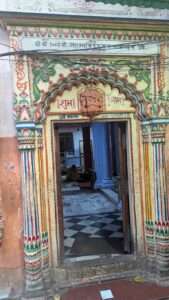
Varanasi, one of India’s oldest sacred cities, has a long-standing tradition of Shakti worship. The Katyayani shrine forms part of this wider religious landscape. However, the specific historical date of the temple and its association with a formally recognised Shakti Peetha are not firmly established.
According to Hindu tradition, Goddess Katyayani manifested to destroy the buffalo demon Mahishasura, who had become a threat to the gods and the world. The gods, unable to defeat him, combined their divine energies to create Goddess Durga. In the form of Katyayani, the Goddess fought Mahishasura and ultimately defeated him, earning the title Mahishasuramardini, meaning the slayer of Mahishasura.
Another tradition connects her worship with Sage Katyayana, whose intense devotion led to the Goddess taking birth in his household. This story highlights the loving relationship between the Divine Mother and her devotees.
A particularly meaningful tradition appears in the Bhagavata Purana. The young Gopis of Vrindavan worshipped Goddess Katyayani, praying that Lord Krishna would become their husband. They observed the Katyayani Vrata during the month of Margashirsha, offering prayers and performing rituals with deep devotion. This episode highlights the Goddess’s connection with devotion, marriage, and the fulfilment of sincere wishes.
The worship of Katyayani is also associated with overcoming fear, ego and personal obstacles. Devotees believe that sincere prayers to her encourage courage, righteousness and spiritual growth.
The principal celebration is Shardiya Navaratri, especially the sixth day dedicated to Goddess Katyayani. Devotees offer flowers, fruits and sweets and participate in special pujas and devotional recitations. The Goddess is also worshipped during other festivals dedicated to Shakti, according to local temple traditions.

