Special Correspondent
Old questions, old habits and a decade of deafening silence
Two messages are doing the rounds among Hyderabad Cricket Association (HCA) members this week. One wonders where HCA is headed after the Apex Council’s term ends. The other objects to the appointment of a Ranji Trophy team manager who is not an HCA member, insisting that such posts should go to members in keeping with “tradition”.
Both concerns sound reasonable on the surface. But scratch beneath it, and the corridor talk gets considerably more interesting. For an association that has spent years under judicial supervision, some members appear to have discovered the importance of accountability rather late in the day. Others seem more concerned about who gets the tour ticket than who can do the job.
And then there is the twist. The latest whisper is that some members may rush to court to demand elections. Be careful what you wish for: it could cost members far more than it gets them.
Where is HCA headed? A year late, say members
The most common response to the first message is blunt: Where was this concern a year ago?
The AGM was due by September 30 but was not held. No Electoral Officer was appointed, and no election was announced. Members point out that the HCA Bye-laws do not permit the Apex Council to continue beyond its prescribed term. If the association is now staring at an administrative crossroads, the obvious question is whether the outgoing council helped create the very uncertainty about which everyone is suddenly worried.
The demand for a Special General Meeting (SGM) to consider amendments has also invited scrutiny. According to members familiar with the Bye-laws, amendments require a three-fourths majority and the Supreme Court’s permission, while changes to election rules must be made at least three months before the polls.
The amendments suggested by Justice L. Nageswara Rao have reportedly been pending since October 2023 — virtually the entire tenure of the present council. Why were they not pursued when there was time to do so? Why the last-minute urgency now?
HCA’s calendar, it seems, has been remarkably relaxed about deadlines until the deadlines begin to matter.

Don’t panic. The SMC is still there
On the question of what happens next, many members appear less alarmed than the circulating messages suggest. The association is not without judicial oversight.
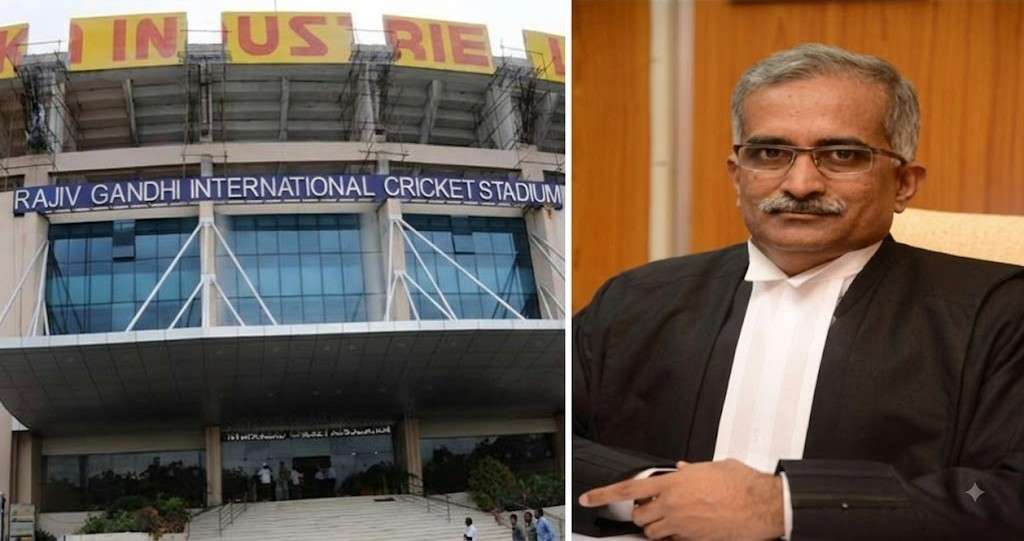
The High Court has continued Justice P. Naveen Rao as the Single Member Committee (SMC), empowering him to oversee cricket, administration and finances. The Apex Council is required to obtain approval for its decisions from the SMC, which can approach the Court for further directions when necessary.
The end of the Apex Council’s term, therefore, need not mean the end of cricket, payments or tournaments. Administrative continuity can be maintained under the Court-supervised arrangement, subject to the applicable orders.
What members want now is clarity: an interim administrative framework, a definite timetable for accounts and the AGM, a verified voters’ list, and a credible election schedule.
As one pointed observation doing the rounds puts it: the question is not whether HCA will change hands, but whether it will finally change its habits.
The twist: a race to the courthouse?
Members wary of the move paint a grim picture. A rushed poll on the same unverified voters’ list, with the 57 clubs still unsettled, invites the same challenges that sank the last council. Elections under the old Bye-laws would freeze reforms for three more years.
And if the case drags on? With appeals, a Supreme Court matter and a BCCI Ombudsman complaint already pending, one more case could mean conflicting orders and years of waiting. The court may well decide that elections must wait until the roll is cleaned and the investigation is over. The last court-run election took fourteen months.
Meanwhile, members would have no elected body, no AGM and no say. Rush to court for elections, and HCA may not see one for a very long time.
The silence nobody wants to explain
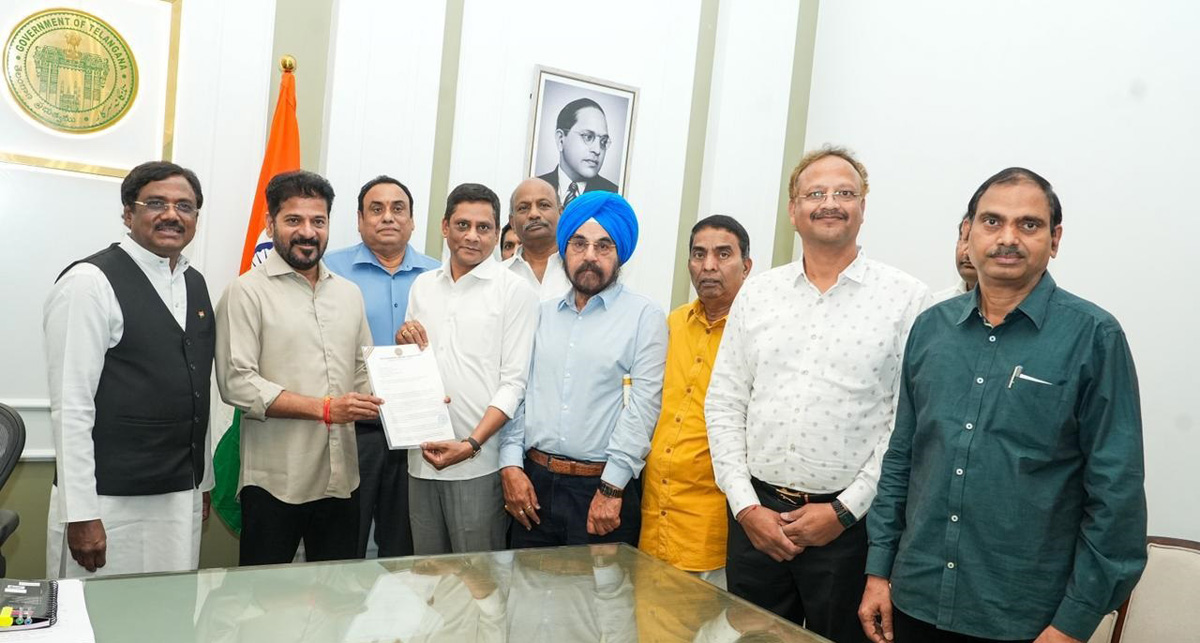
The sharpest criticism is reserved for the past decade. Court-appointed committees have come and gone. Accounts remained unaudited for years, 57 clubs were disqualified, selections and matches attracted questions, a president was arrested, and office-bearers were suspended.
Where, members are now asking, were these voices when such issues were unfolding?
The uncomfortable answer offered in the corridors is that too many people found silence convenient. A tour-manager’s assignment, an IPL pass, a committee position or a favour for a club player could make dissent less attractive. Some clubs allegedly operated under the influence of a few individuals, while others preferred not to antagonise whoever occupied the seat of power.
The result was a curious arrangement: concerns often surfaced when someone lost a privilege, not necessarily when the institution lost its way.
Of course, not every silent member was complicit, and not every complaint is automatically proof of wrongdoing. But an association whose members leave accountability to the courts cannot be surprised when the courts end up doing the heavy lifting.
The manager row: qualification or consolation prize?
The demand that the Ranji Trophy team manager must be an HCA member has triggered the liveliest debate.
Members pointing to the Bye-laws say there is no blanket requirement that a team manager must hold HCA membership. They also cite provisions favouring professional day-to-day administration and the High Court’s grant of discretion to the SMC in appointing coaches, selectors and support staff.
Managing a state team is not merely about travelling with the players. It involves logistics, discipline, coordination, BCCI regulations and anti-corruption protocols. The job calls for competence, availability and integrity — not simply a membership card.
There is also a legitimate concern about potential conflicts of interest when a club official is placed in charge of a state team involving players from multiple clubs, including competing interests. Such risks must be assessed against the applicable rules and safeguards.
The larger question is whether touring assignments are professional responsibilities or rewards distributed among the well-connected.
Tradition is not a qualification. Nor should a tour become a consolation prize for those who have waited patiently for their turn. If HCA wants fairness, it can publish a panel of qualified managers, establish transparent selection criteria and invite eligible candidates to apply. Merit and accountability can then travel together — without membership becoming a boarding pass.
One message gets it right
On one point, there is broad agreement: local managers, ground in-charges, touring officials and Anti-Corruption Unit coordinators should be appointed well before the season, not hurriedly on the eve of a match.
HCA should publish these appointments and responsibilities in advance. Planning should be the norm, not a last-minute favour masquerading as administration.
A dedicated Apex Council? Or a different culture?
The call for a “dedicated, fully functional and accountable Apex Council” has raised a few eyebrows. The High Court has already recorded concerns over the council’s non-cooperative approach. Now it is approaching the end of its term amid unresolved questions over the AGM, accounts and elections.
A more dedicated version of the same administrative culture is hardly the answer. HCA needs systems that work regardless of who occupies the chair: transparent rules, professional management, timely audits, fair selections and meaningful accountability.
The circulating message itself calls for a shift from reactive decisions to professional, planned and accountable administration. Few would disagree. The real test is whether those advocating reform are prepared to apply the same standards to their own conduct and interests.
The corridors have heard enough promises. What HCA needs now is less corridor talk and more course correction. And if the last decade has taught its members anything, it is this: when silence becomes a tradition, institutional failure is never far behind.