Brig (retd) GB Reddi
Unlike parties that largely awaken when elections approach, the BJP has built its political strength around a very different model: continuous organisation, constant cadre mobilisation and relentless electoral preparedness. That strategy has transformed the party from what was once widely regarded as a predominantly north Indian political force into a formidable national organisation with a presence across much of the country.
With more than 14 crore registered members, the BJP today claims the distinction of being the world’s largest political party. Its organisational ecosystem is further strengthened by the RSS and its extensive network of workers. The result is a political machine capable of fighting elections almost anywhere, irrespective of the local ideological or social terrain.
The BJP’s expansion into states traditionally considered inhospitable to its politics is particularly significant. Tamil Nadu remains dominated by Dravidian parties, while Kerala has long been a battleground between the Congress-led and Left-led fronts. Yet the BJP has steadily increased its footprint even in these difficult states. Its ability to make electoral gains and capture important urban institutions cannot simply be dismissed as a temporary phenomenon.
Today, the BJP is in power in 18 states, but numbers alone do not guarantee continued political dominance. The real test of any political organisation is how effectively it converts organisational strength into electoral victories when the political environment becomes difficult.
That is where the newly appointed BJP president, Nitin Nabin, faces his first major examination.
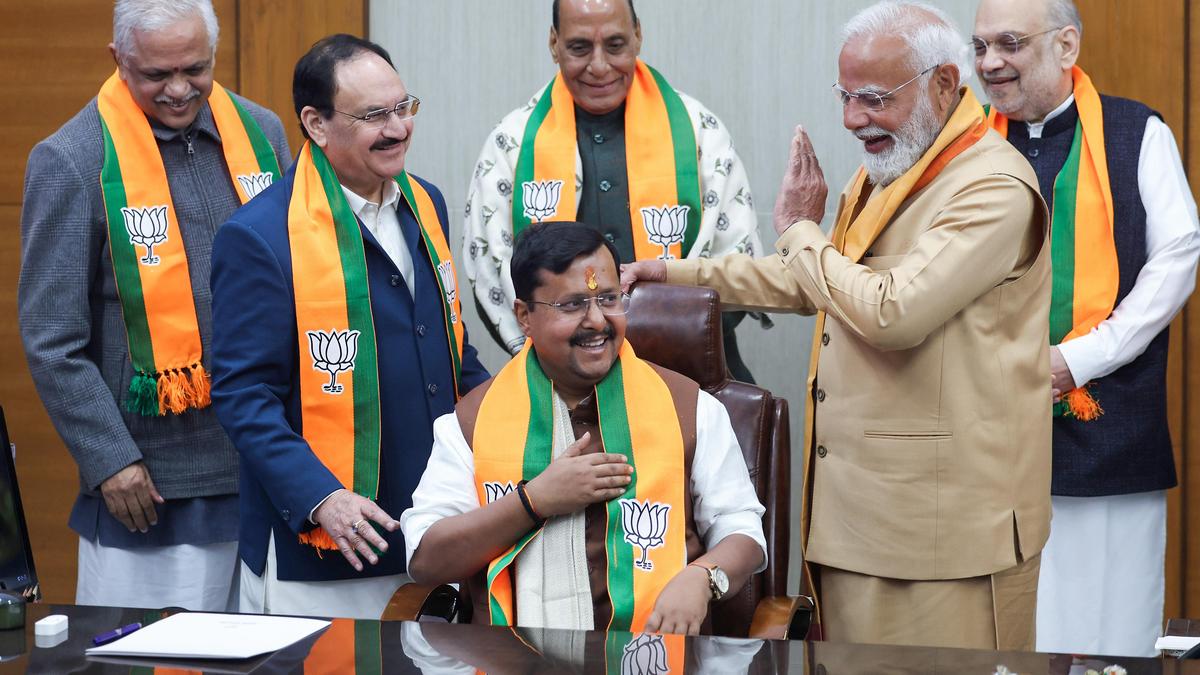
At 46, Nabin represents a younger generation of BJP leadership. His first major electoral success as party president came in West Bengal, while the party’s performance in Tamil Nadu was far less impressive. But the next round of Assembly elections could provide him with an opportunity to establish his own organisational credentials.
Among the forthcoming contests, Uttar Pradesh and Punjab stand out. The BJP appears relatively confident about its prospects in Uttar Pradesh, where its organisation, leadership structure and social coalition remain formidable. Punjab, however, presents a substantially different challenge.
The possible revival of the BJP’s electoral understanding with its former ally, the Shiromani Akali Dal, could fundamentally alter the political equation. If Nabin manages to convert that alliance into a strong electoral performance and, more importantly, help the BJP become part of a government in Punjab, it would arguably be one of the most significant victories of his early tenure.
That would also demonstrate that the BJP under its new national team is capable of rebuilding alliances rather than depending exclusively on its own organisational machinery.
It would, however, be premature to pass judgment on Nabin’s new team. The organisational restructuring has only recently taken shape, and its leadership committees are still working out their strategies. The real verdict will come not from internal meetings but from polling booths.
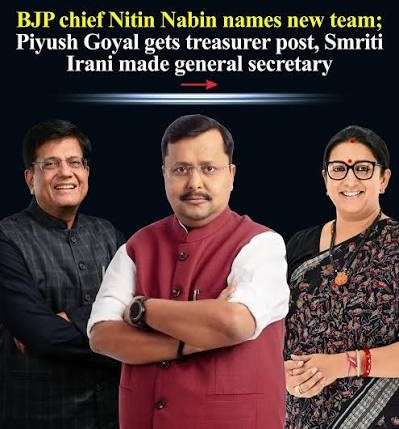
The composition of the new team nevertheless sends some interesting signals. Greater representation from key states, particularly Uttar Pradesh, indicates an attempt to strengthen social and caste coalitions. Changes involving communication and youth wings suggest that the BJP recognises the growing importance of digital politics and younger voters. The inclusion of experienced organisational leaders alongside professionals from fields such as medicine and academia indicates an attempt to combine political experience with specialised expertise.
Greater representation for women and different regional identities also reflects the party’s effort to broaden its organisational appeal.
But Nabin has one personal political shadow to overcome: his defeat in Bankipur in Bihar, his home turf, after winning the constituency four consecutive times following his electoral debut from Patna West in 2006. Whether that defeat was a strategic setback, an electoral aberration or a warning sign is something only future elections can establish.
For Nabin, therefore, the coming electoral cycle is not merely another chapter in the BJP’s continuing expansion. It is a test of whether the party’s modernised organisational model can deliver under a younger national leadership.
With Prime Minister Narendra Modi, Home Minister Amit Shah and senior leader Rajnath Singh providing the broader political and organisational guidance, Nabin has both an enormous advantage and an equally enormous responsibility.
The BJP may have mastered the art of winning elections. The challenge before Nabin is to prove that the next generation can keep that winning machine running.