Special Correspondent
In what is being viewed as a significant step towards decentralising cricket development across Telangana, the Hyderabad Cricket Association (HCA) has constituted a District Cricket Infrastructure Development Committee (DCIDC) with former HCA Secretary T. Sheshnarayan as its Chairman.
The development assumes significance in the backdrop of proceedings initiated by the Telangana Cricket Association (TCA) before the Supreme Court and the Bombay High Court, culminating in a decision of the Board of Control for Cricket in India (BCCI) in July 2021.
While the Bombay High Court had directed the BCCI to decide TCA’s representation seeking Associate Membership in accordance with law, the BCCI, while declining that request, specifically directed the HCA to engage with the TCA, address its concerns relating to the development of cricket outside Hyderabad and submit a report on the steps taken in that regard within six months.
The newly constituted committee is therefore likely to be viewed by many as a step towards addressing those long-standing concerns, though whether it fully satisfies the spirit of the BCCI’s directions may continue to remain a matter of debate.
Significantly, the constitution of the committee has also received the approval of the Single Member Committee (SMC) headed by Justice (Retd.) P. Naveen Rao, appointed by the Telangana High Court to oversee the affairs of the HCA, lending further institutional backing to the initiative.
The committee has been entrusted with the responsibility of preparing a roadmap for strengthening cricket infrastructure across various districts of Telangana, a move that many believe is long overdue given the persistent criticism that organised cricket administration and developmental activities have remained largely confined to Hyderabad.
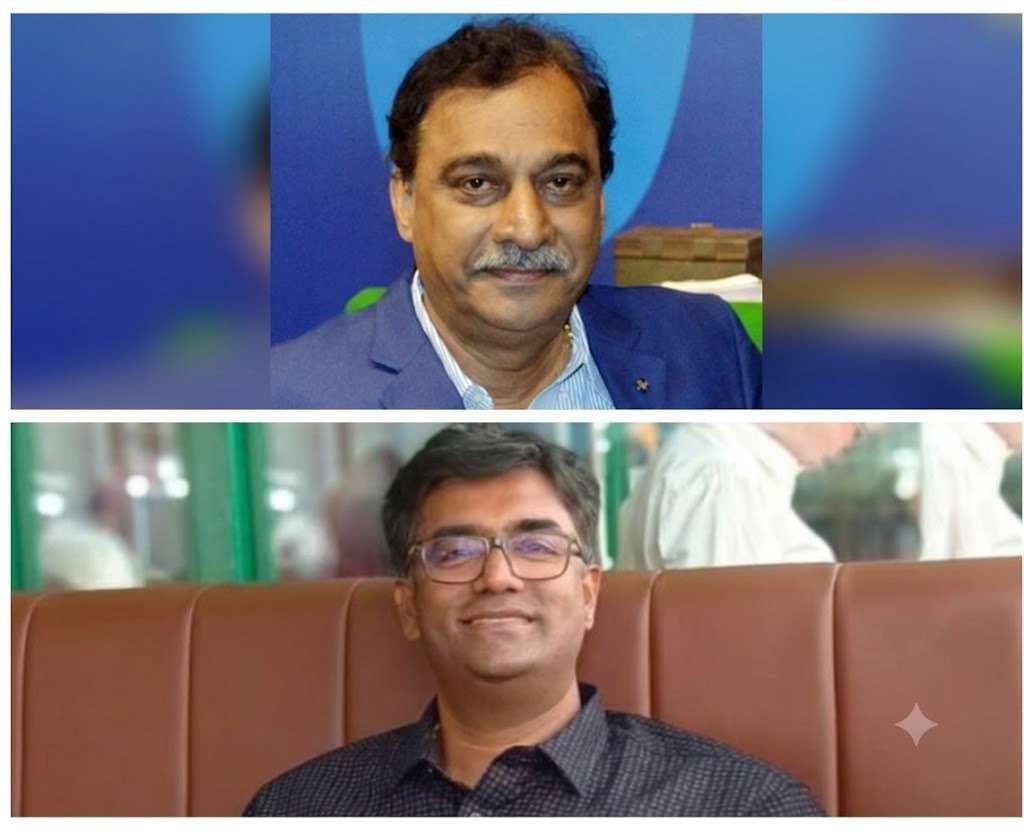
The newly constituted committee comprises experienced administrators representing different regions of the state. Besides Chairman T. Sheshnarayan, the members include Ramakrishna Udupa (Hyderabad), M. Rajashekar (Mahbubnagar), C. Venkat Rao (Khammam) and M. Venkat Reddy (Nizamabad).
The announcement was made by HCA Secretary M. Jeevan Reddy, who stated that the committee would focus on improving cricket infrastructure, facilitating better coordination with district cricket stakeholders and ensuring balanced development of the sport throughout Telangana.
The constitution of the committee assumes significance against the backdrop of long-standing demands for greater attention to district cricket. Over the years, several former players, administrators and cricket enthusiasts have argued that despite Telangana producing abundant cricketing talent, opportunities and infrastructure outside Hyderabad have remained grossly inadequate.
Historically, the issue has deeper roots. Prior to the bifurcation of the erstwhile Andhra Pradesh in 2014, the Hyderabad Cricket Association was responsible for administering cricket across the Telangana region, while the Andhra Cricket Association looked after Coastal Andhra and Rayalaseema from its headquarters at Visakhapatnam. Following the formation of Telangana, expectations naturally grew that the HCA would expand its footprint across all districts of the new State by creating quality infrastructure, coaching centres and organised competitions.
However, critics have consistently maintained that the association’s activities largely continued to remain Hyderabad-centric, leaving vast stretches of rural Telangana without adequate cricketing infrastructure.
The issue of district representation itself has remained contentious for years. During an earlier phase of HCA administration, district units corresponding to the erstwhile undivided districts were recognised. Since then, Telangana has undergone major administrative reorganisation with the number of districts increasing substantially, leading to renewed discussions over how district cricket should be structured and represented within the HCA.
Against this backdrop, the formation of the District Cricket Infrastructure Development Committee is being seen as an attempt to address some of these longstanding concerns.
Interestingly, the initiative also follows the HCA’s launch of the TG20 League, the association’s first franchise-based T20 tournament, introduced with the stated objective of providing a wider platform to talented cricketers from across Telangana.
According to HCA sources, the tournament generated considerable interest and helped identify promising players from districts that had previously received limited exposure. At the same time, some observers questioned the decision to stage the tournament entirely in Hyderabad instead of taking matches to district centres, where aspiring cricketers and local spectators could have benefited directly from witnessing high-quality competition.
While opinions may differ on that aspect, there is broad agreement that sustainable cricket development requires much more than tournaments. Experts have consistently maintained that district-level infrastructure—including quality grounds, turf wickets, indoor practice facilities, coaching academies, strength and conditioning centres and qualified coaching staff—is indispensable for identifying and nurturing future talent.
The HCA, one of the oldest affiliated units of the BCCI and preparing to celebrate its centenary in the coming years alongside Indian cricket’s own milestone, has undoubtedly contributed immensely to Indian cricket by producing several international cricketers. Nevertheless, questions have periodically been raised regarding the pace of infrastructure development beyond Hyderabad despite the substantial financial assistance made available to State associations by the BCCI over the years.
It is precisely these concerns that found reflection during the proceedings before the BCCI when the TCA highlighted the lack of cricket infrastructure outside Hyderabad. While rejecting the request for Associate Membership, the BCCI acknowledged those concerns and observed that the TCA, in collaboration with the HCA, could contribute significantly to the growth of cricket across Telangana. Accordingly, it directed the HCA to meet TCA representatives, address their concerns regarding cricket development outside Hyderabad and prepare a report detailing the steps taken.
Against that backdrop, the appointment of a committee comprising experienced administrators has been welcomed in several cricketing circles. Observers believe that former HCA Secretary T. Sheshnarayan’s administrative experience, coupled with representation from different districts, could help prepare a practical blueprint for expanding cricket infrastructure beyond Hyderabad.
The committee is also expected to work in close coordination with the Cricket Operations Committee (COC). According to the HCA, the DCIDC will consult the COC on matters relating to cricket grounds, pitches, practice facilities and other technical aspects to ensure that all developmental initiatives conform to the association’s operational and technical standards.
The association further stated that the committee would function in alignment with the vision of the Single Member Committee headed by Justice (Retd.) P. Naveen Rao, with emphasis on transparency, inclusiveness and sustainable cricket development across Telangana.
In its official statement, HCA Secretary M. Jeevan Reddy expressed confidence that the District Cricket Infrastructure Development Committee would play a pivotal role in expanding opportunities for aspiring cricketers from the districts and contribute meaningfully to the overall growth of cricket across Telangana.
He added that the committee’s detailed Terms of Reference and operational framework would be notified separately in due course.
For many associated with Telangana cricket, the formation of the committee represents an important beginning. Its eventual success, however, will not be measured merely by the constitution of another committee or the holding of meetings. Rather, it will be judged by the creation of quality cricketing infrastructure, world-class practice facilities, district-level academies and meaningful opportunities for talented youngsters from every corner of Telangana. If the committee succeeds in translating its mandate into tangible assets and a robust grassroots cricket ecosystem, it could well mark the beginning of a new chapter in the development of the game beyond Hyderabad.