



Sri Sanjeevaraya Swamy Temple is located in Devarahosahalli village near Channapatna in Ramanagara District, Karnataka. Surrounded by a peaceful rural landscape, the temple is a revered pilgrimage destination for devotees of Lord Hanuman. The shrine attracts worshippers from various parts of Karnataka who visit seeking blessings for health, protection, courage, and spiritual well-being.
According to temple tradition, Sri Sanjeevaraya Swamy Temple is believed to be around 750 years old and is associated with the Vijayanagara period. Though the exact date of its construction is not supported by published inscriptional evidence, the temple is widely regarded as an ancient shrine that has served as a center of Hanuman worship for several centuries.
The presiding deity of the temple is Sri Sanjeevaraya Swamy, a sacred form of Lord Hanuman. He is worshipped as the embodiment of devotion, strength, courage, loyalty, and selfless service to Lord Rama. The deity is especially revered as a divine protector and healer. Devotees believe that sincere prayers offered to Sri Sanjeevaraya Swamy help remove obstacles, grant confidence, improve health, and provide protection during difficult times.
The deity holds special significance because temple tradition associates the idol with the sacred Sanjeevini herbs mentioned in the Ramayana. This unique association has made the temple a place where devotees seek blessings for physical well-being, recovery from illness, and inner strength.
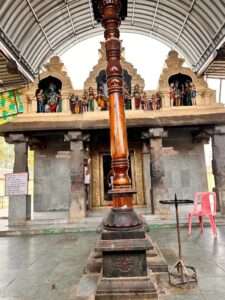
The temple follows the traditional architectural style of historic Karnataka village temples. The sanctum sanctorum houses the sacred idol of Sri Sanjeevaraya Swamy and serves as the spiritual heart of the temple. The temple complex is simple in design and emphasizes devotion rather than grandeur.
A traditional temple Kalyani, is located within the premises, adding to the temple’s heritage and sacred atmosphere. The peaceful surroundings and traditional layout create a serene environment for worship and meditation.
The temple is traditionally associated with Sri Vyasaraja Tirtha, one of the most renowned saints of the Dvaita philosophy and a prominent spiritual guide of the Vijayanagara Empire. Temple tradition states that Sri Vyasaraja consecrated the deity at Devarahosahalli as part of his efforts to promote Hanuman worship throughout South India.
For centuries, the temple has remained an important center of devotion and pilgrimage. It is regarded as one of the sacred Hanuman shrines connected with the spiritual legacy of Sri Vyasaraja and continues to preserve the rich traditions of the Madhwa sampradaya.
The Sthalapurana of the temple is closely linked with the Ramayana. According to temple tradition, the idol of Sri Sanjeevaraya Swamy was fashioned using sacred Sanjeevini herbs. The name “Sanjeevaraya” originates from the famous episode in which Lord Hanuman carried the Sanjeevani-bearing mountain from the Himalayas to Lanka to save Lakshmana during the war between Lord Rama and Ravana.
Because of this sacred connection, devotees believe that the divine energy of the life-restoring Sanjeevini herbs resides within the deity. Over the centuries, countless devotees have worshipped Sri Sanjeevaraya Swamy seeking relief from suffering, protection from difficulties, and blessings for health and prosperity.
One of the temple’s most distinctive traditions is that regular abhisheka is not performed on the main deity. According to local belief, the sanctity of the idol and its association with the sacred herbs require a different form of worship. Instead, the deity is honored through alankara, deepa aradhana, and aarti. This rare practice continues to be followed and is regarded as a unique aspect of the temple.
Another remarkable feature of the shrine is the presence of Sri Narasimha Swamy within the sanctum area. Devotees receive darshan of the deity through a mirror shown by the priest, a rare custom that enhances the temple’s spiritual importance.
The annual Jaatre and Rathotsava held during Ashada Masa are the most important celebrations of the temple. Thousands of devotees participate in the grand chariot procession and special pujas conducted during the festival.
Hanuman Jayanti is celebrated with special prayers and devotional activities. Important Vaishnava festivals are also observed throughout the year with traditional rituals and community participation.


